
Lab Bench Design Ideas for Maximizing Work Surface Efficiency
- Lab Bench Design Ideas for Maximizing Work Surface Efficiency
- Why lab benches matter for productivity and safety
- Optimize bench layout to maximize usable lab benches work surface
- Choose materials and finishes that preserve work surface efficiency
- Floor Mounted Lab Bench: stability and reduced vibration for sensitive work
- Integrated storage solutions to keep lab benches clutter-free
- Ergonomics and human factors for efficient lab benches
- Vibration control and instrument placement on lab benches
- Cleaning, decontamination, and bench surface maintenance
- Safety, compliance, and standards for laboratory benches
- Comparing bench types: floor-mounted vs. island vs. wall-mounted
- Modularity and future-proofing your lab benches
- Cost considerations and total cost of ownership for lab benches
- Brand advantages and why our Floor Mounted Lab Bench fits modern labs
- Implementation checklist: optimizing lab benches during planning
- Frequently Asked Questions (FAQ) about lab benches and the Floor Mounted Lab Bench
- Contact us / See the product
- Authoritative references and further reading
Lab Bench Design Ideas for Maximizing Work Surface Efficiency
Why lab benches matter for productivity and safety
Lab benches are the backbone of any functional laboratory. An efficient bench design improves workflow, reduces errors, and helps maintain a clean, safe environment. When designing or specifying benches, planners must balance usable work surface, storage, equipment access, vibration control, and cleaning needs. The right combination of layout, materials, and accessories lets scientists spend more time on experiments and less on searching for tools or managing clutter.
Optimize bench layout to maximize usable lab benches work surface
Arrangement and layout decisions determine how much actual work surface is available and how conveniently it’s accessed. Consider these layout principles to maximize usable area on your lab benches:
- Cluster equipment by workflow: group instruments used sequentially to reduce transit time and surface interruptions.
- Prefer continuous bench runs for tasks needing large open areas; use island benches for collaborative tasks with access from multiple sides.
- Plan dedicated zones—wet bench, analytical, storage—so shared benches remain uncluttered and task-focused.
- Use floor-mounted bench solutions to stabilize heavy equipment and free overhead space for shelving or utilities.
These layout choices directly increase effective work surface area, because fewer interruptions from misplaced equipment or incompatible zones mean more bench is available for experiments.
Choose materials and finishes that preserve work surface efficiency
Material selection affects durability, cleanability, and the perceived usable area. Key material considerations for lab benches include chemical resistance, ease of cleaning, scratch resistance, and vibration dampening. Popular choices:
- Phenolic resin tops: excellent chemical and moisture resistance, smooth surface for easy cleaning.
- Epoxy resin: superior chemical resistance for harsh chemical areas but heavier and more costly.
- Stainless steel: corrosion-resistant, durable, and preferred for sterile or corrosive environments.
- Laminate and high-density fiberboard with protective coatings: cost-effective for general-purpose labs.
Choosing the right top material reduces downtime for maintenance and preserves the full width and depth of the useful surface over years of use.
Floor Mounted Lab Bench: stability and reduced vibration for sensitive work
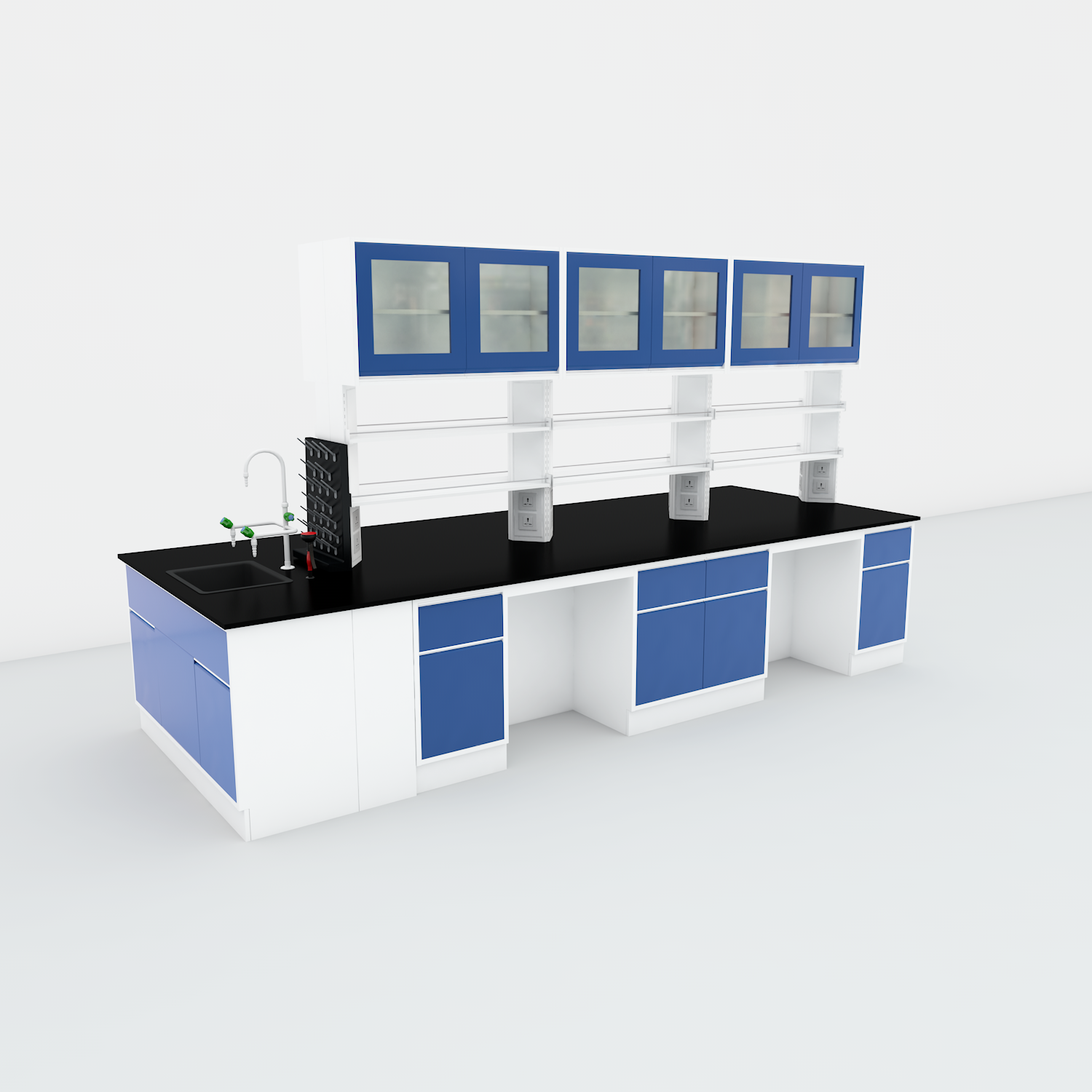
Our Floor Mounted Lab Bench is an essential, high-efficiency workspace for laboratories, made from high-quality steel-wood or corrosion-resistant stainless steel materials to ensure exceptional durability and stability. The unique floor-mounted design effectively reduces vibration, optimizes space usage, and provides a safe and tidy laboratory environment.
Customizable storage solutions help organize lab equipment efficiently, while the easy-to-clean surface maintains laboratory hygiene. It is widely suitable for research institutions, educational laboratories, and the chemical and pharmaceutical industries.
Why choose a floor-mounted design? By anchoring the bench frame to the floor, vibration from external sources and from in-bench equipment (centrifuges, shakers, balances) is minimized, which preserves instrument accuracy and reduces the need for additional isolation platforms. The floor-mounted configuration also allows larger continuous work surfaces without compromising structural stability.
Integrated storage solutions to keep lab benches clutter-free
Storage design directly impacts how much of the bench surface is available for active work. Effective storage integrates with the bench instead of competing for surface area. Consider these storage strategies:
- Underbench cabinets and drawers: keep frequently used tools within reach while freeing surface space.
- Vertical storage and overhead shelving: move infrequently used items off the bench but within easy access.
- Modular mobile pedestals: provide flexible storage that can be reconfigured as workflow changes.
- Built-in cable and utility channels: eliminate surface clutter caused by cords, gas lines, and plumbing.
Customizable storage (as available with many Floor Mounted Lab Bench options) ensures every tool has a home, reducing the temptation to leave items on the work surface and preserving bench real estate.
Ergonomics and human factors for efficient lab benches
Ergonomic design reduces fatigue and errors while maximizing usable surface area. Key ergonomics recommendations include:
- Standard bench height: 900–950 mm for general tasks, adjustable benches for multi-user environments.
- Clear knee space: allow seated and standing work; consider sit-stand benches for prolonged tasks.
- Reach zones: place most-used items within a 50–70 cm radius to reduce overreaching and surface disruption.
- Lighting: integrate task lighting to keep work surfaces visible and reduce shadowed areas that limit usable workspace.
Ergonomically designed benches keep users comfortable and productive, which in turn maintains clear, usable work surfaces.
Vibration control and instrument placement on lab benches
For precision instruments such as balances, microscopes, and optical tables, vibration can degrade measurements. Recommendations:
- Use floor-mounted benches or isolated instrument plinths for heavy or vibration-sensitive equipment.
- Place sensitive equipment away from doors, HVAC blowers, and high-traffic pathways.
- Consider anti-vibration tabletop pads or dedicated antivibration frames under specific instruments.
Floor Mounted Lab Bench solutions reduce overall bench vibration, allowing you to place sensitive instruments directly on the bench surface without additional isolation in many cases.
Cleaning, decontamination, and bench surface maintenance
Maintaining a clean surface preserves usable workspace and prevents contamination from spreading across a bench. Best practices:
- Choose non-porous bench tops compatible with your lab’s disinfectants and cleaning agents.
- Design benches with rounded edges and integrated splash guards to avoid dirt traps.
- Implement daily surface cleaning protocols and visible labels for disinfectant compatibility.
- Use color-coded zones or mats to designate sterile or high-risk areas and reduce cross-contamination.
Bench designs that are easy to clean, such as stainless steel or properly sealed resin tops, reduce downtime and maintain more consistent usable surface area.
Safety, compliance, and standards for laboratory benches
Bench design must support compliance with laboratory safety regulations and best practices. Considerations include chemical resistance, flame resistance, electrical safety for built-in outlets, and compatibility with local codes and institutional policies. Key authoritative sources to consult when designing labs include OSHA, CDC, and FDA guidelines, which provide standards for safe laboratory operations and equipment layout.
Comparing bench types: floor-mounted vs. island vs. wall-mounted
The right bench type depends on tasks, space, and equipment. The table below summarizes key differences to guide selection:
| Feature | Floor Mounted Lab Bench | Island Bench | Wall-Mounted Bench |
|---|---|---|---|
| Stability / Vibration | High (anchored to floor) | Moderate (depends on support) | Lower (supports limited weight) |
| Usable continuous surface | High (supports long runs) | High (access both sides) | Limited (narrow depth) |
| Storage integration | Excellent (underbench options) | Good (central storage cabinets) | Limited |
| Best for | Heavy equipment, vibration-sensitive tasks | Collaborative or teaching spaces | Space-saving or supplemental tasks |
Modularity and future-proofing your lab benches
Laboratories evolve. A modular bench system allows rearrangement, addition of utilities, and updated storage without replacing entire runs of benches. Look for benches with:
- Removable panels and adjustable shelving
- Standardized attachment points for monitors, trays, and power outlets
- Compatible components for fume hoods, sinks, and equipment mounts
Investing in modular floor-mounted benches saves money over the lifetime of the lab and preserves valuable surface area when workflows change.
Cost considerations and total cost of ownership for lab benches
Initial price is one factor, but total cost of ownership includes maintenance, replacement frequency, downtime, and adaptability. Durable materials, easy-to-clean surfaces, and flexible storage reduce long-term costs. Floor-mounted benches often represent better value for labs with heavy equipment because they reduce instrument damage and recalibration costs related to vibration.
Brand advantages and why our Floor Mounted Lab Bench fits modern labs
When selecting a bench supplier, prioritize quality, customization, and support. Our Floor Mounted Lab Bench offers:
- Robust construction from corrosion-resistant stainless steel or High Quality steel-wood frames for longevity
- Vibration-reducing floor-mounted design that supports sensitive instruments and heavy equipment
- Customizable storage options: drawers, cabinets, integrated shelving, and utility channels
- Easy-to-clean surfaces compatible with common laboratory disinfectants
- Design flexibility to suit research institutions, educational labs, and chemical or pharmaceutical environments
Combined, these features reduce operational interruptions, extend equipment life, and maintain large usable work surface areas—delivering superior operational efficiency and safety.
Implementation checklist: optimizing lab benches during planning
Use this checklist when specifying or redesigning lab benches to ensure maximum work surface efficiency:
- Map workflows and instrument placements before choosing bench types.
- Select bench top material based on chemicals and cleaning agents used regularly.
- Plan integrated storage to remove non-essential items from surfaces.
- Specify floor-mounted benches for vibration-sensitive workflows.
- Include ergonomics: appropriate bench height, lighting, and knee clearance.
- Ensure utilities (power, gas, vacuum) are routed to minimize surface clutter.
- Choose modular components to adapt to future changes.
Frequently Asked Questions (FAQ) about lab benches and the Floor Mounted Lab Bench
Q: What makes a Floor Mounted Lab Bench different from standard benches?
A: Floor-mounted benches are anchored to the floor for superior stability and vibration reduction, making them ideal for heavy or sensitive instruments and providing longer uninterrupted work surfaces.
Q: Which bench top material is best for chemical labs?
A: Epoxy resin and stainless steel offer excellent chemical resistance; phenolic resin tops are also widely used for their chemical and moisture resistance. Material choice should be matched to the specific chemicals and cleaning agents used.
Q: Can the Floor Mounted Lab Bench be customized?
A: Yes. The Floor Mounted Lab Bench supports customizable storage options (drawers, cabinets, shelving), different top materials (stainless steel, phenolic, epoxy), and integrated utility channels.
Q: How do I reduce vibration for a precision balance?
A: Place the balance on a floor-mounted bench, locate it away from doors and heavy foot traffic, and consider local antivibration pads or a dedicated balance platform if needed.
Q: Are these benches easy to maintain?
A: Yes. Selecting non-porous, chemical-resistant surfaces and designing for rounded edges and accessible undersides simplifies cleaning and decontamination.
Contact us / See the product
To turn design concepts into functional workstations, labs often explore customizing floor mounted lab benches with modules and accessories tailored to specific tasks and equipment.To learn more or request a quote for our Floor Mounted Lab Bench, contact our sales team or view detailed specifications and customization options on our product page. Our experts can help you design a bench plan that maximizes your usable work surface while meeting safety and regulatory needs.
Authoritative references and further reading
- Occupational Safety and Health Administration (OSHA) — Laboratory Safety: https://www.osha.gov/laboratory
- Centers for Disease Control and Prevention (CDC) — Laboratory Safety: https://www.cdc.gov/labsafety/index.
- U.S. Food & Drug Administration (FDA) — Good Laboratory Practice (GLP): https://www.fda.gov/science-research/field-science-and-lab-operations/good-laboratory-practice-glp
- Health and Safety Executive (HSE) — Ergonomics and workplace design: https://www.hse.gov.uk/toolbox/workers/ergonomics.htm
- NSF International — Standards and testing for lab equipment and materials: https://www.nsf.org/
- General laboratory overview — Wikipedia: https://en.wikipedia.org/wiki/Laboratory
References above provide guidance on safety, cleanliness, ergonomics, and compliance related to laboratory furniture and bench design. For tailored advice, consult a lab planner or certified supplier before finalizing designs.
2026 Master Guide: Perfecting Your Station Eye Wash Compliance Strategy

Custom Fabrication Options for Lab Countertops and Specs
Laboratory table guide: Benefits of Anti-vibration Tables BT-03
Lab Sink Cabinet Buying Guide: Materials, Sizes, and Features
FAQS
What quality standards do your products meet?
We conduct strict quality inspections before products leave the factory to ensure they meet international standards and customer expectations.
For After-Sales Support
What happens if my product is damaged during delivery?
If your product is damaged during shipping, please contact our customer service team immediately. We will arrange for a replacement or repair at no additional cost.
For Logistics
How do you ensure the safety of items during shipping?
We have 15 years of experience in loading, fragile goods are packed in plywood boxes to ensure that they will not be damaged during transportation.
For Products
Do you have certifications for your products?
Yes, We have CE, ISO9001, ISO14001, OHSASI18001 and so on.
For Company
How long has your company been in business?
Our company has been in the laboratory furniture and equipment business for over 15 years, during which we have gained extensive experience and built a solid reputation in the industry. We specialize in serving a variety of industries, including academic research labs, pharmaceutical labs, healthcare, manufacturing, and more.

Floor Mounted Lab Bench
Our Floor Mounted Lab Bench is an essential, high-efficiency workspace for laboratories, made from high-quality steel-wood or corrosion-resistant stainless steel materials to ensure exceptional durability and stability. The unique floor-mounted design effectively reduces vibration, optimizes space usage, and provides a safe and tidy laboratory environment.
Customizable storage solutions help organize lab equipment efficiently, while the easy-to-clean surface maintains laboratory hygiene. It is widely suitable for research institutions, educational laboratories, and the chemical and pharmaceutical industries.
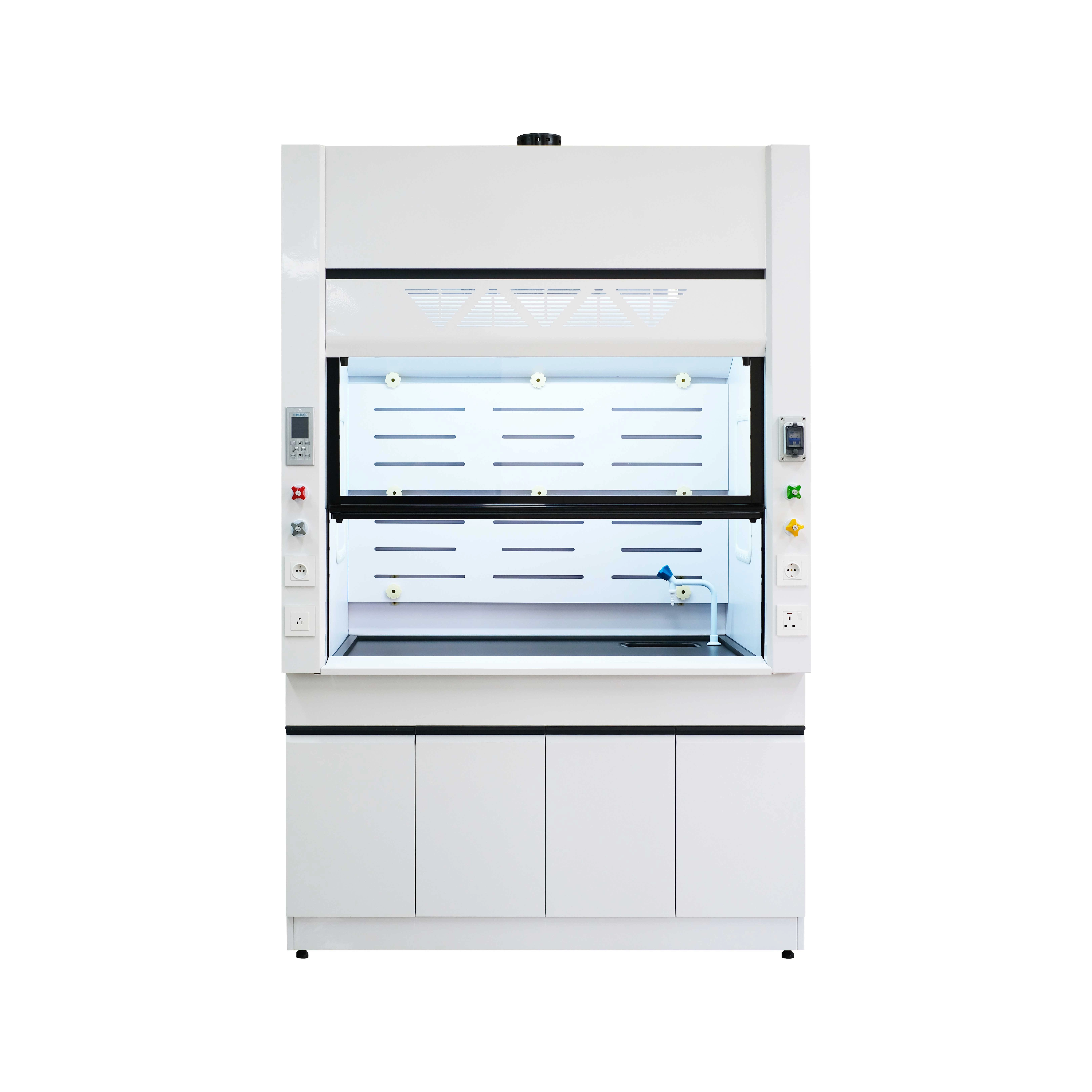
Fume Hood
The fume hood provides safe ventilation to protect against exposure to hazardous or toxic fumes, vapors, or airborne particulate. It is primarily used in laboratory and manufacturing applications to protect the user or environment outside the hood, but can also be used to protect the materials or experiment under the hood.
APPLICATION
Chemistry Lab, physics Lab, biological analysis, pharmaceutical medicine analysis, biological pharmaceutical, plant culture, environmental testing and electronic instrumentation scientific research and so on.
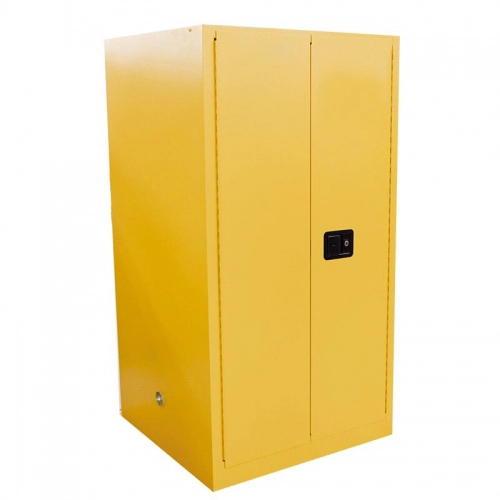
Flammable Storage Cabinet
Safety Cabinets store flammable liquids, corrosives, pesticides and other hazardous materials. All fire-resistant safety cabinets by meet fire codes and regulations for safety storage.
To help protect your people and facility from a potential fire, safety cabinets are engineered to safely contain flammable fuels, solvents, and chemicals. Safety cabinets can not only help everyone store chemicals reasonably, save chemical supplies, but also save human resources, and avoid fires caused by chemicals with the greatest strength.
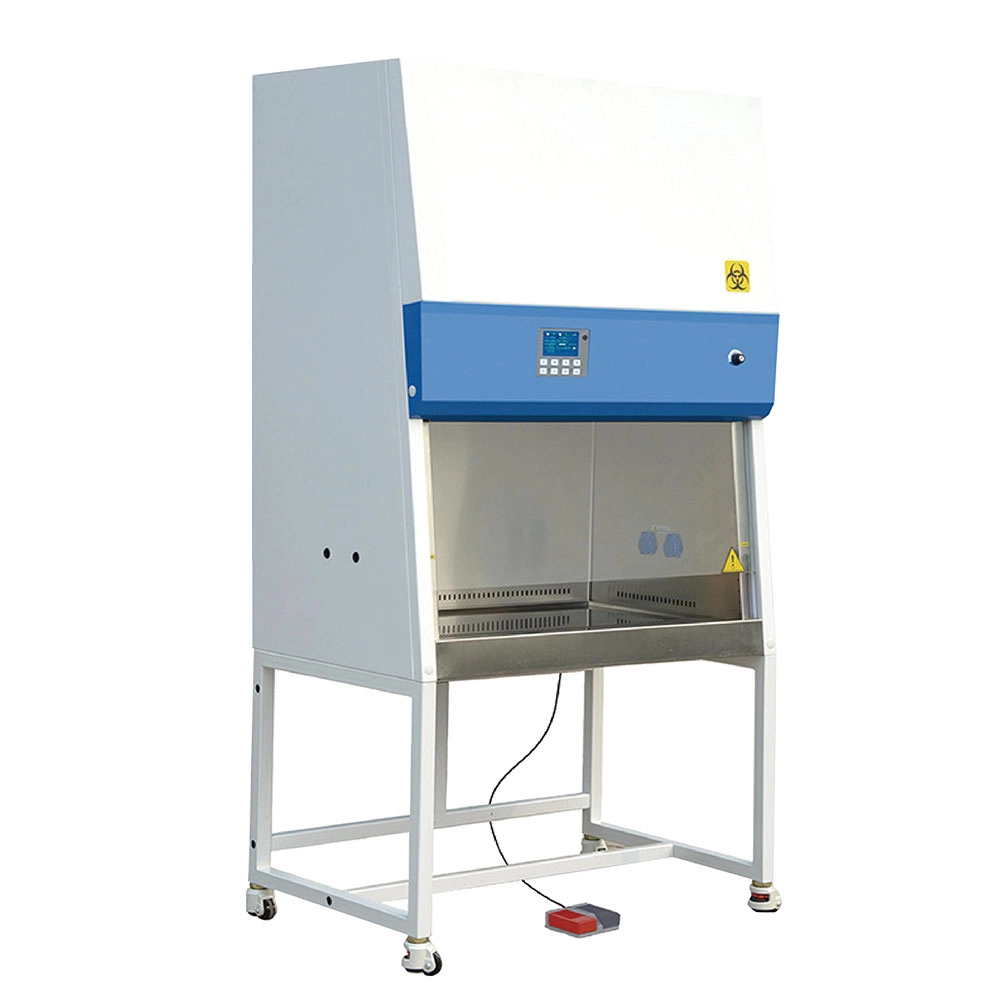
Class II Type A2 Biological Safety Cabinet for Laboratory
The Class II A2 Biological Safety Cabinet is designed to provide superior biosafety and contamination control for laboratories, research facilities, and clinical settings. With 70% air recirculation and 30% air exhaust, this cabinet ensures a safe and efficient work environment while protecting both the user and the samples.
Equipped with advanced features like a HEPA filtration system, motorized front window, and ergonomic design, this cabinet is a must-have for safe and reliable biological research.

 Scan QR Code
MaxLabFurniture
MaxLab Furniture
daihongada
Max Laboratory