
Face Velocity and Containment in Variable Air Volume Hoods

- Understanding Face Velocity and Its Role in Containment
- What is face velocity and why it matters
- How face velocity interacts with sash position and user behavior
- Standards and test methods for face velocity and containment
- Variable Air Volume Fume Hoods: Performance, Benefits, and Risks
- Benefits of Variable Air Volume (VAV) compared with Constant Air Volume (CAV)
- Risks and failure modes specific to VAV hoods
- Comparative data: VAV vs CAV (typical operational characteristics)
- Controls and Technologies that Improve Face Velocity and Containment
- Smart controls and real-time feedback
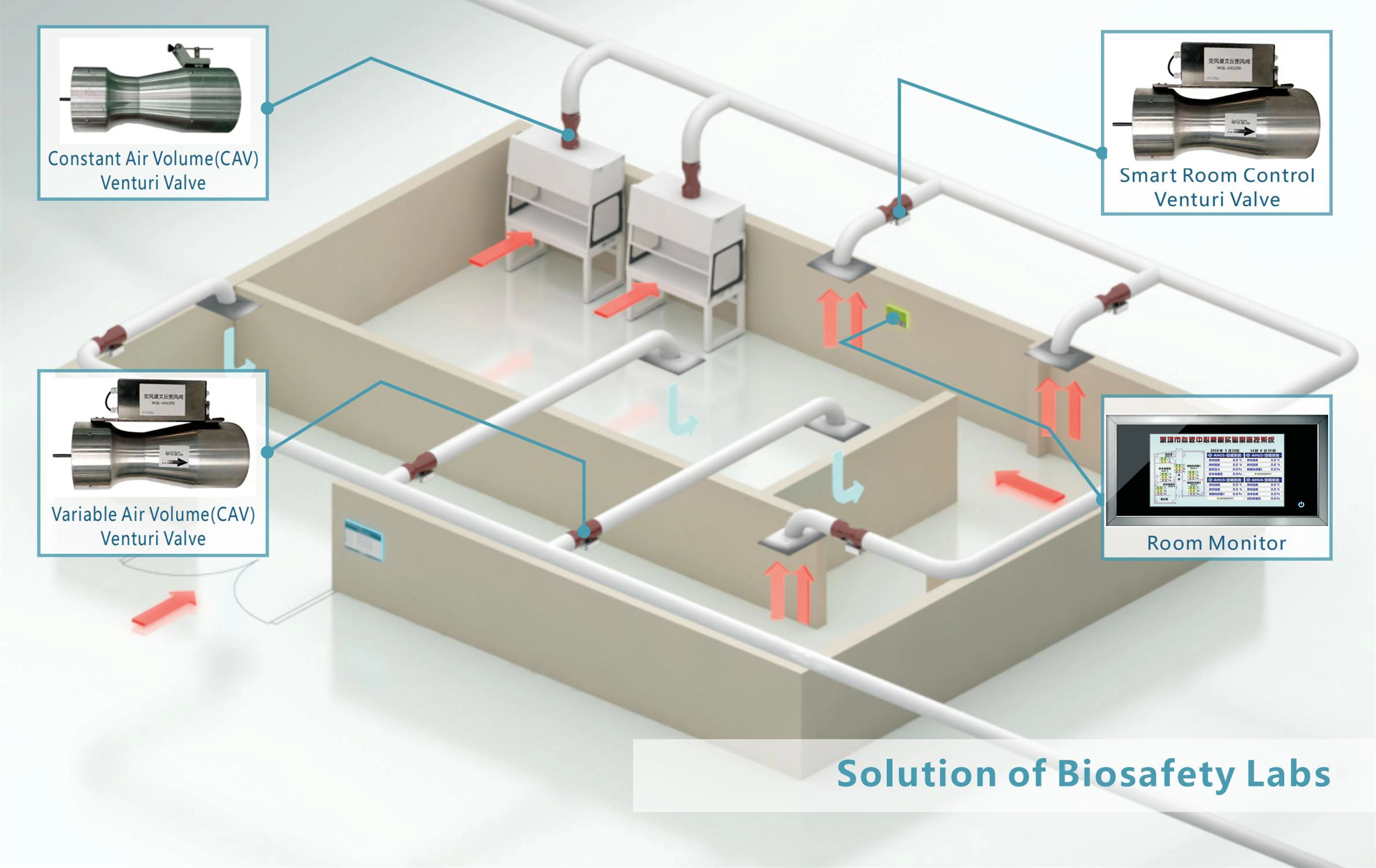
- Venturi valve technology: advantages for VAV hood control
- Product highlight: Variable Air Volume Fume Hood with MAX LAB Venturi Valve
- Design, Commissioning, and Operational Best Practices
- Specifying face velocity and acceptance criteria
- Commissioning and routine performance verification
- Operational tips for end users and facilities
- Testing, Measurement, and Troubleshooting
- Common tests for containment and face velocity
- Interpreting test results and diagnosing issues
- When to involve third-party testing or recertification
- Practical Considerations: Cost, Energy, and Long-Term Reliability
- Energy savings versus lifecycle costs
- Maintenance planning for VAV systems with Venturi valves
- Case example: Improving containment with fast-response control
- FAQs — Face Velocity, Containment, and Variable Air Volume Fume Hoods
- Q: What face velocity should I set for a VAV fume hood?
- Q: Are VAV hoods as safe as CAV hoods?
- Q: How often should I test containment and face velocity?
- Q: What are the main benefits of a Venturi valve-based control system?
- Q: Which standards should my facility follow for fume hood containment?

Accurate face velocity control is central to maintaining containment in modern laboratories. For variable air volume fume hood systems, face velocity must be managed dynamically as sash position and building static pressure change. This article details why face velocity matters, how containment is tested and verified, the operational differences between constant and variable air volume fume hoods, control strategies (including Venturi-based solutions), and practical guidance for specifying, commissioning, and maintaining Variable Air Volume Fume Hood installations to meet safety and energy targets.
Understanding Face Velocity and Its Role in Containment
What is face velocity and why it matters
Face velocity is the average airspeed at the plane of the fume hood sash (typically measured in feet per minute or meters per second). It is a primary factor in preventing contaminants released inside the hood from escaping into the laboratory. For a variable air volume fume hood, face velocity is not fixed — it changes with sash position and duct static pressure — so maintaining an appropriate target face velocity during use is critical for consistent containment.
How face velocity interacts with sash position and user behavior
Sash height, the user’s proximity to the sash opening, and rapid movements can all alter the local airflow patterns and effective containment. Variable air volume fume hoods respond to sash movement by changing supply and exhaust flows; if controls do not react quickly or accurately, face velocity can fall below containment thresholds. Properly tuned systems keep face velocity within set limits across the sash travel envelope to maintain safety during typical workflows.
Standards and test methods for face velocity and containment
Containment and face velocity are evaluated using standardized test methods such as ASHRAE Standard 110 (fume hood performance) and guidelines from occupational and laboratory safety agencies like OSHA and the CDC. These references define tracer gas and smoke-based tests that quantify containment under controlled conditions. Laboratory owners should reference these standards when specifying acceptance criteria for variable air volume fume hoods.
Variable Air Volume Fume Hoods: Performance, Benefits, and Risks
Benefits of Variable Air Volume (VAV) compared with Constant Air Volume (CAV)
Variable air volume fume hood systems reduce exhaust flow when the sash is closed and increase it when open, saving significant energy compared with constant air volume setups that exhaust at a fixed rate regardless of sash position. VAV hoods can be paired with building management systems (BMS) for optimized lab-wide energy management and can often reduce HVAC load while maintaining the necessary containment when correctly controlled.
Risks and failure modes specific to VAV hoods
Improper control tuning, slow actuator response, or wide fluctuations in duct static pressure can lead to under-performance. Face velocity can drop during sudden sash movement or under changing building pressure conditions, increasing leak risk. VAV systems require reliable sensors, fast-responding valves, and periodic commissioning to ensure safe operation.
Comparative data: VAV vs CAV (typical operational characteristics)
| Characteristic | Constant Air Volume (CAV) | Variable Air Volume (VAV) |
|---|---|---|
| Energy consumption | High, constant exhaust | Lower on average, varies with sash |
| Face velocity stability | Stable if balanced; unaffected by sash changes | Requires controls to maintain stability |
| Containment sensitivity | Lower sensitivity to control failures | Higher sensitivity; needs quick response |
| Capital & maintenance | Lower complexity | Higher complexity; potential long-term savings |
Controls and Technologies that Improve Face Velocity and Containment
Smart controls and real-time feedback
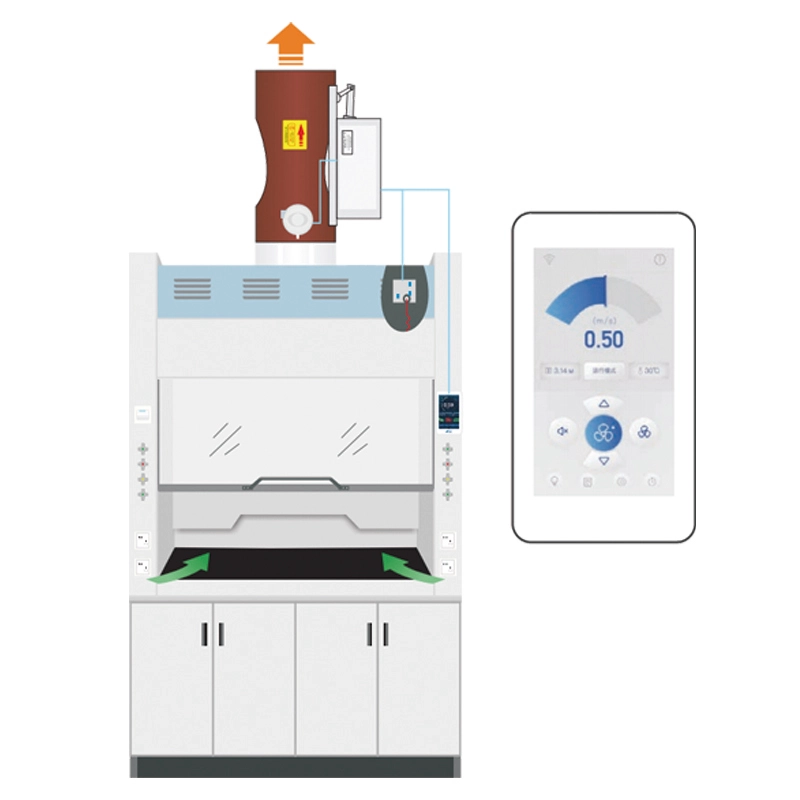
Modern VAV hoods integrate sensors (pressure, flow, sash position) and control algorithms that adjust exhaust/inflow instantly. Real-time dashboards and BMS integration show face velocity, sash height, and alarm conditions. Look for systems that log events and have configurable alarms to prompt user or facility response when face velocity deviates from set limits.
Venturi valve technology: advantages for VAV hood control
Venturi valve systems provide rapid modulation of flow and are less prone to sticking and wear compared with mechanical modulating dampers. The MAX LAB Venturi Valve Air Velocity Control System delivers fast response times and stable air velocity management by automatically compensating for duct static pressure variations. This improves containment and reduces the need for frequent recalibration, making it an excellent fit for variable air volume fume hood installations.
Product highlight: Variable Air Volume Fume Hood with MAX LAB Venturi Valve
Optimize airflow regulation and ensure precise laboratory ventilation with MAX LAB Venturi Valve Air Velocity Control System. Designed for high-performance air pressure control, this system automatically adjusts to changes in duct static pressure, maintaining stable and energy-efficient air velocity management. Ideal for laboratories, cleanrooms, and healthcare facilities, it provides fast response times, low maintenance, and superior contaminant control. Our Venturi valve system enhances HVAC efficiency, improves air quality, and ensures compliance with critical environment safety standards.
Design, Commissioning, and Operational Best Practices
Specifying face velocity and acceptance criteria
Define a clear target face velocity range for your variable air volume fume hood (for many labs a common nominal target is 80–120 ft/min (0.4–0.6 m/s), but project requirements and local codes vary). Document the acceptable range with sash positions and verify using tracer gas or smoke tests per ASHRAE Standard 110. Include alarm setpoints and fail-safe behaviors in the specification to ensure that deviations trigger immediate corrective actions.
Commissioning and routine performance verification
Commissioning should include face velocity mapping at representative sash positions and dynamic containment tests with the VAV controls operating. Acceptable practice includes documenting baseline performance and scheduling periodic re-verification. For biosafety applications, consult the CDC's BMBL for additional containment and operational guidance. Regular maintenance for Venturi valves typically requires less mechanical servicing than modulating dampers, but sensors and controllers must still be calibrated and function-checked.
Operational tips for end users and facilities
Train users on proper sash usage (keeping sash at recommended heights, avoiding rapid movements across the opening when possible), and educate facilities staff on monitoring dashboards and alarm procedures. Incorporate sash-position interlocks and automatic setback modes for unoccupied periods to reduce energy use while maintaining safety. If building pressures change due to other HVAC activities, a Venturi-based control will help maintain face velocity; nevertheless, it's essential to monitor global lab airflow balance.
Testing, Measurement, and Troubleshooting
Common tests for containment and face velocity
Standard tests include smoke visualization, tracer gas (sulfur hexafluoride, SF6, or other approved tracers) containment testing, and face velocity traverses. These methods are described in detail by standard-setting bodies and should be performed by trained personnel during initial acceptance and after major changes to system configuration.
Interpreting test results and diagnosing issues
If containment tests show leakage or elevated operator exposure risk, check for: incorrect VAV control setpoints, slow valve response, obstructions in the ductwork, imbalanced room pressures, or malfunctioning sash sensors. Compare measured face velocity profiles across sash positions to the specified acceptance envelope. Use the control system event logs to correlate failures with building pressure spikes or equipment faults.
When to involve third-party testing or recertification
Engage accredited third-party testers when initial commissioning results are inconclusive, after major HVAC renovations, or when regulatory compliance audits require independent verification. Third-party services often perform ASHRAE 110-style tests and provide formal reports acceptable to safety committees and regulators.
Practical Considerations: Cost, Energy, and Long-Term Reliability
Energy savings versus lifecycle costs
While VAV variable air volume fume hoods typically require higher upfront investment (controls, valves, sensors), the reduction in conditioned air exhausted can cut HVAC operating costs substantially. Modeling and case studies show energy savings that often justify the incremental capital expense over the system lifecycle. Use a life-cycle cost analysis that includes energy, maintenance, and downtime costs when making specifications.
Maintenance planning for VAV systems with Venturi valves
Venturi valves are known for low maintenance because they have fewer moving parts in direct contact with duct air compared with some mechanical dampers. Scheduled checks should include sensor calibration, actuator functional tests, and occasional inspection of the Venturi throat for particulate build-up in dusty environments. Keep firmware and control logic documentation current and ensure spare parts availability for quick repairs.
Case example: Improving containment with fast-response control
A mid-size research laboratory switched to Variable Air Volume Fume Hood controls using Venturi valves and reported improved containment test pass rates after commissioning. The faster valve response compensated for variable building pressures during simultaneous exhaust demands, reducing face velocity excursions and lowering energy use by an estimated 25% compared with their prior CAV configuration. Results like this align with published studies and field reports showing VAV systems can maintain safety while reducing operational costs. For a general background on fume hood types and history, see the Wikipedia entry on fume hoods.
FAQs — Face Velocity, Containment, and Variable Air Volume Fume Hoods
Q: What face velocity should I set for a VAV fume hood?
A: Many labs target a nominal face velocity in the 80–120 ft/min (0.4–0.6 m/s) range, but final setpoints should consider the type of work, sash configuration, and applicable standards. Always reference project-specific safety requirements and acceptance tests such as ASHRAE Standard 110 when establishing setpoints.
Q: Are VAV hoods as safe as CAV hoods?
A: When properly designed, commissioned, and maintained, variable air volume fume hoods can provide containment equivalent to or better than constant air volume hoods while using less energy. The keys are responsive controls, reliable sensors, and proven valve technology (such as Venturi valves) that maintain stable face velocity under varying conditions.
Q: How often should I test containment and face velocity?
A: Perform acceptance testing at installation, after significant HVAC changes, and periodically (commonly annually or biannually depending on use and regulations). Routine daily or weekly quick checks by users, plus continuous monitoring by the control system, help catch transient issues before they become safety incidents.
Q: What are the main benefits of a Venturi valve-based control system?
A: Venturi valve systems offer rapid response to pressure changes, precise modulation of flow, reduced maintenance, and good stability in face velocity control. These attributes make the MAX LAB Venturi Valve Air Velocity Control System an effective choice for Variable Air Volume Fume Hood applications.
Q: Which standards should my facility follow for fume hood containment?
A: Reference ASHRAE Standard 110 for performance testing and consult OSHA laboratory safety guidance and CDC biosafety resources where applicable. Regulatory or institutional standards may impose additional requirements.
If you have questions about selecting or commissioning a Variable Air Volume Fume Hood equipped with the MAX LAB Venturi Valve Air Velocity Control System, contact our technical team for a consultation or to request performance data and case studies. View product specifications and request a quote: Variable Air Volume Fume Hood.
Contact us: For product demos, commissioning support, or technical inquiries, please reach out to our lab ventilation specialists via the Contact page or call our office for immediate assistance.
Energy Savings with a Variable Air Volume Fume Hood
Space Planning Tips with Floor Mounted Lab Benches
Ergonomic Considerations for Lab Benches to Reduce Fatigue
Top 10 Laboratory Table Manufacturers for Dental Labs
For Products
Are your products customizable?
Absolutely! We offer customized solutions for laboratory benches, lab tables, and furniture systems to meet the specific requirements of your workspace.
For After-Sales Support
Do you offer training for using your products?
Yes, we offer training for your staff on how to properly use and maintain the laboratory equipment we provide. Contact us to schedule a training session.
Customization
What kind of laboratory equipment is suitable for customization?
All types of laboratory equipment can be customized, including test benches, fume hoods, hoods, chemical cabinets, exhaust units, etc.
Does the customized equipment have a warranty?
Yes, all custom equipment comes with a warranty. Specific warranty terms are determined according to the type of equipment and customized content.
For Company
Do you provide installation services?
Yes, we offer professional installation services to ensure your laboratory furniture and equipment are set up properly and safely.
Variable Air Volume Fume Hood
Optimize airflow regulation and ensure precise laboratory ventilation with MAX LAB Venturi Valve Air Velocity Control System. Designed for high-performance air pressure control, this system automatically adjusts to changes in duct static pressure, maintaining stable and energy-efficient air velocity management. Ideal for laboratories, cleanrooms, and healthcare facilities, it provides fast response times, low maintenance, and superior contaminant control. Our Venturi valve system enhances HVAC efficiency, improves air quality, and ensures compliance with critical environment safety standards.

Floor Mounted Lab Bench
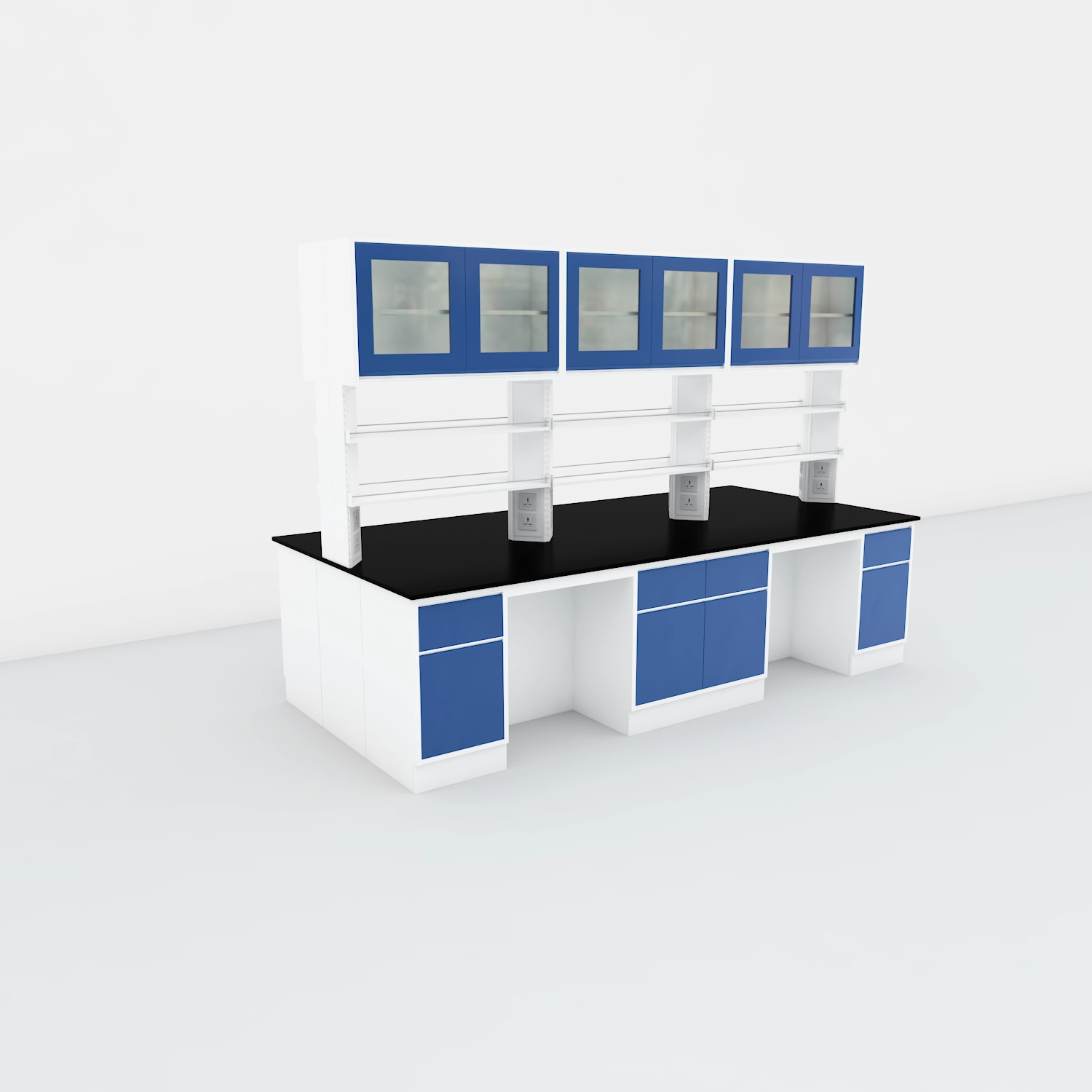
Our Floor Mounted Lab Bench is an essential, high-efficiency workspace for laboratories, made from high-quality steel-wood or corrosion-resistant stainless steel materials to ensure exceptional durability and stability. The unique floor-mounted design effectively reduces vibration, optimizes space usage, and provides a safe and tidy laboratory environment.
Customizable storage solutions help organize lab equipment efficiently, while the easy-to-clean surface maintains laboratory hygiene. It is widely suitable for research institutions, educational laboratories, and the chemical and pharmaceutical industries.
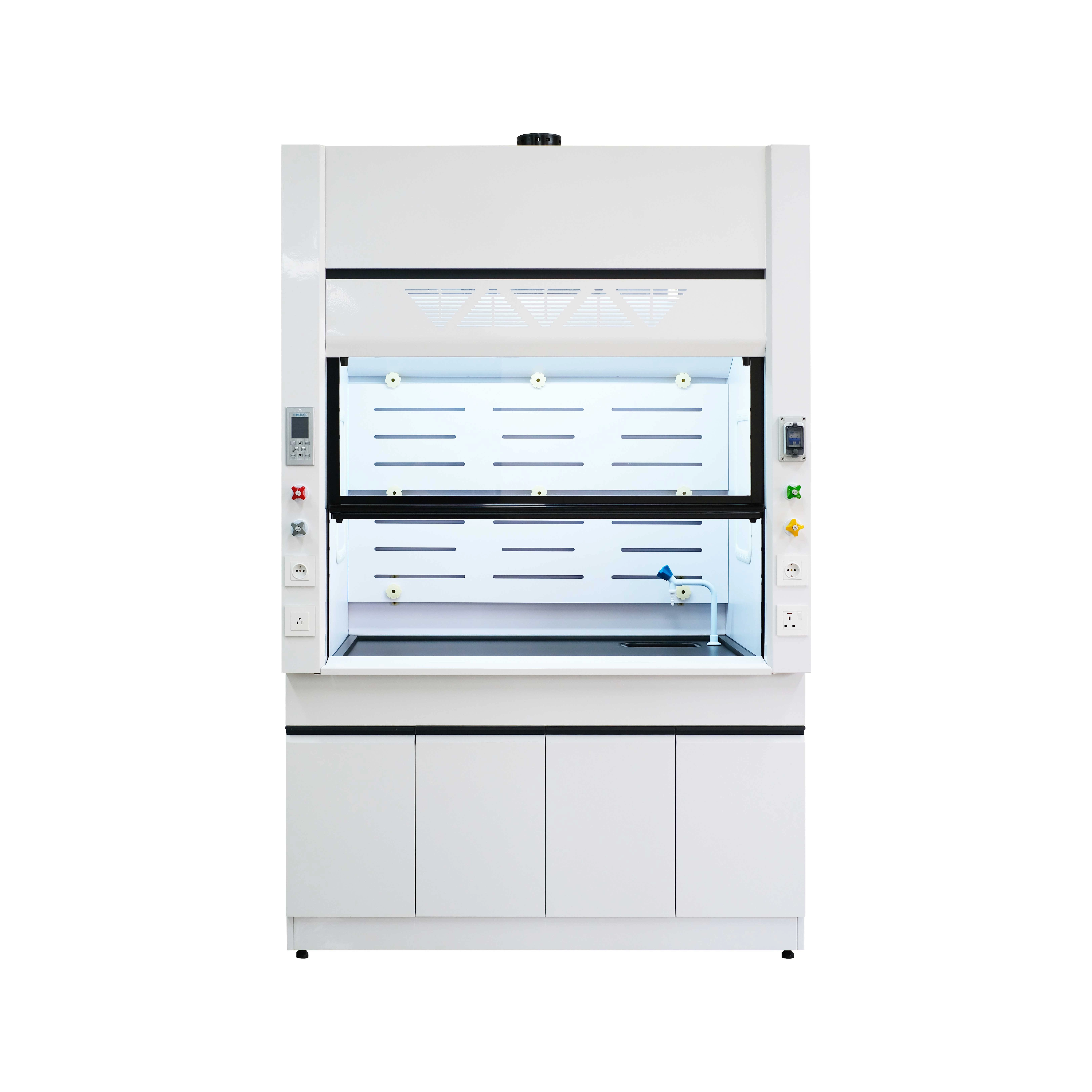
Fume Hood
The fume hood provides safe ventilation to protect against exposure to hazardous or toxic fumes, vapors, or airborne particulate. It is primarily used in laboratory and manufacturing applications to protect the user or environment outside the hood, but can also be used to protect the materials or experiment under the hood.
APPLICATION
Chemistry Lab, physics Lab, biological analysis, pharmaceutical medicine analysis, biological pharmaceutical, plant culture, environmental testing and electronic instrumentation scientific research and so on.
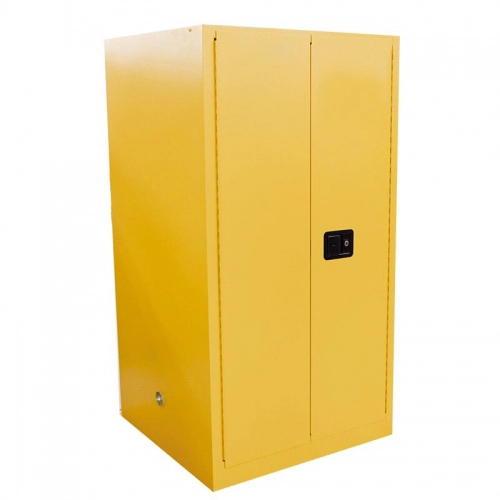
Flammable Storage Cabinet
Safety Cabinets store flammable liquids, corrosives, pesticides and other hazardous materials. All fire-resistant safety cabinets by meet fire codes and regulations for safety storage.
To help protect your people and facility from a potential fire, safety cabinets are engineered to safely contain flammable fuels, solvents, and chemicals. Safety cabinets can not only help everyone store chemicals reasonably, save chemical supplies, but also save human resources, and avoid fires caused by chemicals with the greatest strength.

 Scan QR Code
MaxLabFurniture
MaxLab Furniture
daihongada
Max Laboratory