
Custom Lab Sink Cabinets: When to Choose Customization

- Why Custom Lab Sinks Matter in Modern Laboratories
- Matching workflow and ergonomics
- Chemical resistance and materials
- Plumbing and utility integration
- Design Options: C-type, Floor-mounted, and H-type Explained
- C-type — compact and accessible
- Floor-mounted — stability and storage
- H-type — hybrid and flexible layout
- When to Choose Customization: Use Cases and Decision Criteria
- Regulatory and safety requirements
- Specialized workflows: teaching, chemistry, biopharma, and testing
- Space constraints, retrofit, and modular integration
- Choosing the Right Materials and Components
- Sink materials and faucets
- Cabinet finishes and chemical resistance
- Maintenance, lifecycle costs, and sustainability
- Comparison: Standard vs. Custom vs. Modular Lab Cabinets
- Brand Advantages and Why to Choose Our Lab Sink Cabinets
- FAQ — Frequently Asked Questions
- Q: When is a custom Lab Sink Cabinet necessary?
- Q: How do I choose sink material for my Lab Sink Cabinet?
- Q: What lead time should I expect for a custom unit?
- Q: Can custom Lab Sink Cabinets be retrofitted into existing lab benches?
- Q: Are custom cabinets more expensive long term?

This article explains when to choose a customized Lab Sink Cabinet to meet workflow, safety, and plumbing needs across regions and facility types. It highlights integration with lab cabinets and complete bench systems, material choices for chemical resistance, and local regulatory requirements to help and local search find the right solution for chemistry labs, teaching labs, biopharmaceutical facilities, and testing departments.
The Lab Sink Cabinet is designed for chemistry labs, teaching labs, biopharmaceutical facilities and testing departments, and can be seamlessly integrated into complete laboratory bench systems. The product offers C-type, floor-mounted and H-type structures, combined with a chemical-resistant lab sink and lab faucet to meet cleaning, rinsing, drainage and temporary storage needs.
Why Custom Lab Sinks Matter in Modern Laboratories
Matching workflow and ergonomics
Standard lab cabinets often fail to reflect specific workflows. Custom Lab Sink Cabinets allow precise placement of sink basins, faucet heights, and storage under the sink to match tasks such as sample prep, glassware cleaning, or hazardous-waste rinsing. Tailoring lab cabinets to your technicians' ergonomics reduces repetitive strain and improves throughput. Consider how benchtop storage access, drawer inserts for pipettes, and integrated trays will be used daily before choosing a standard versus a custom unit.
Chemical resistance and materials
Choosing the right materials for sinks and cabinet interiors is critical. Chemical-resistant cabinetry and epoxy resin countertops resist acids, solvents, and stains better than generic finishes. Stainless steel cabinets are ideal for corrosive environments, while high-grade epoxy sinks are common in chemistry labs. When standard lab cabinets use general-purpose materials, customization enables selection of epoxy resin, polypropylene, or stainless steel sinks to meet the chemical profile of your lab.
Plumbing and utility integration
Custom solutions ensure plumbing integration (drain lines, trap placement, and emergency eyewash/shower connections) is correct from the start. Many labs need specialized faucet configurations (gooseneck, gooseneck with vacuum breaker, or hands-free/foot-controlled valves). Customizing lab cabinets for plumbing integration reduces retrofit costs and prevents disruptive downtime. For guidance on lab plumbing and safety fixture requirements, see OSHA and CDC resources such as OSHA's Laboratory Safety topics (https://www.osha.gov/laboratory) and CDC biosafety guidance (https://www.cdc.gov/labs/BMBL.).
Design Options: C-type, Floor-mounted, and H-type Explained
C-type — compact and accessible
The C-type Lab Sink Cabinet design provides an open knee space in front of the sink for seated work or for trolleys to pass, commonly used in teaching labs and some preparation stations. It keeps benchtop utilities accessible while integrating sink basins and faucet services. When bench-top storage and under-sink plumbing must be accessible without blocking legroom, the C-type is an effective custom choice.
Floor-mounted — stability and storage
Floor-mounted lab cabinets prioritize storage and load-bearing capacity. They are ideal for labs that need heavy reagent cabinets under sinks, larger waste containers, or integrated plumbing traps. Floor-mounted units are often specified for biopharmaceutical facilities where secure storage and heavy equipment mounting are required, and when cabinets must meet seismic anchoring or heavy-load standards.
H-type — hybrid and flexible layout
H-type configurations combine elements of both C-type and floor-mounted systems to accommodate multiple workflows at a single bench run. H-type Lab Sink Cabinets are useful when a shared sink station must serve two adjacent work areas, providing dual access and improved circulation while keeping plumbing centralized for cost efficiency.
When to Choose Customization: Use Cases and Decision Criteria
Regulatory and safety requirements
If your facility must adhere to strict regulatory standards (e.g., GLP, GMP for pharma, or educational safety standards), customization may be necessary to meet spacing, containment, and material requirements. For example, biopharmaceutical facilities commonly need stainless-steel fittings and easily disinfectable surfaces; teaching labs may require durable, impact-resistant sinks to withstand frequent student use. Refer to industry guidance such as the Scientific Equipment and Furniture Association (https://www.sefa.org) for recommendations on laboratory furniture and casework.
Specialized workflows: teaching, chemistry, biopharma, and testing
Different lab types have different priorities: teaching labs demand durability and ease of maintenance; chemistry labs favor chemical-resistant surfaces and suitable sink sizes for glassware; biopharma labs need contamination control and validated materials; testing departments may need specialized draining and sample-handling features. Custom Lab Sink Cabinets let you align cabinet layout, sink dimensions, and faucet types to those workflows, ensuring that daily processes are efficient and compliant.
Space constraints, retrofit, and modular integration
When working with limited floor space or during retrofits, off-the-shelf lab cabinets might not fit existing bench runs or plumbing chases. Customized units — particularly modular lab furniture that integrates with existing bench systems — can solve tight-fitting issues and avoid costly structural changes. Modular integration reduces downtime and maintains consistent benchtop heights, utility routes, and ergonomic zones across the lab.
Choosing the Right Materials and Components
Sink materials and faucets
Sink material choice should align with chemical usage. Common sink materials include epoxy resin (excellent chemical resistance), polypropylene (resistant to many solvents and acids), and stainless steel (durable and easy to sanitize). Faucet choices include manual, gooseneck, sensor-activated, and safety rinse attachments. Consider elbow- or foot-operated valves for contamination control. Matching sink basins with the correct faucet reduces splash-back and facilitates effective rinsing.
Cabinet finishes and chemical resistance
Cabinet interiors and exteriors should resist the lab's chemical exposure. Chemical-resistant cabinetry options include powder-coated steel with corrosion-resistant primers, stainless steel, and specialized phenolic resin panels. For benchtops, epoxy resin countertops remain an industry standard for chemical resistance and longevity. Choosing the right finish minimizes maintenance and replacement frequency.
Maintenance, lifecycle costs, and sustainability
Customization affects lifecycle cost. Higher-grade materials cost more up front but save money over time through reduced replacement and downtime. Consider repairability and availability of replacement parts, and pick a manufacturer who provides clear documentation and spare parts for plumbing and hardware. Where sustainability is important, ask about recycled materials and end-of-life recycling options for metal and resin components.
Comparison: Standard vs. Custom vs. Modular Lab Cabinets
| Feature | Standard Lab Cabinets | Custom Lab Sink Cabinets | Modular Lab Furniture |
|---|---|---|---|
| Cost | Lowest upfront | Higher upfront; longer ROI | Mid-range; scalable |
| Lead time | Short | Longer (design & approval) | Moderate (pre-engineered modules) |
| Flexibility | Limited | High (materials, layout, utilities) | High (reconfigurable) |
| Compliance & safety | Basic | Tailored to standards (GLP/GMP) | Can be designed to comply |
| Integration with utilities | Often retrofitted | Designed-in | Designed for easy connection |
Brand Advantages and Why to Choose Our Lab Sink Cabinets
We combine decades of lab furniture expertise with a commitment to compliance, durability, and service. Our Lab Sink Cabinet line is engineered for integration with complete bench systems and offers C-type, floor-mounted and H-type structures to suit diverse lab layouts. Key advantages:
- Material expertise: epoxy resin sinks, stainless steel and polypropylene options matched to your chemical profile.
- Regulatory alignment: products designed with reference to industry guidance (e.g., SEFA) and safety standards to support GLP/GMP labs.
- Turnkey integration: plumbing, faucets, utility panels and benchtop coordination minimize installation time.
- After-sales support: spare parts, maintenance guidance, and global service to reduce downtime.
Our team provides detailed layout drawings and integration plans, reducing risk during renovations or new construction. Choose customization when the lab's operational needs, safety requirements, or space constraints demand more than generic lab cabinets.
FAQ — Frequently Asked Questions
Q: When is a custom Lab Sink Cabinet necessary?
A: Choose customization when your lab has specific chemical-resistance needs, non-standard plumbing requirements, strict regulatory mandates (e.g., GMP/GLP), unique workflows (teaching benches, biopharma processing), or space/retrofit constraints that standard lab cabinets cannot meet.
Q: How do I choose sink material for my Lab Sink Cabinet?
A: Match sink material to the chemicals and cleaning agents used. Epoxy resin is broadly chemical-resistant; polypropylene handles many acids and bases; stainless steel is durable and easy to disinfect. Consult material chemical compatibility charts and your safety officer when making a selection.
Q: What lead time should I expect for a custom unit?
A: Lead time varies by scope and site requirements. Typical timelines range from 6–12 weeks for moderately complex custom cabinets, longer for fully integrated systems or projects requiring validation and third-party inspections. Modular options can reduce lead times.
Q: Can custom Lab Sink Cabinets be retrofitted into existing lab benches?
A: Yes. Many custom designs consider existing service chases and bench heights. A site survey is essential to ensure correct plumbing alignment, seismic anchoring (if required), and electrical or gas utility coordination.
Q: Are custom cabinets more expensive long term?
A: Though initial costs are higher, custom cabinets often reduce lifecycle costs through better durability, fewer replacements, improved workflow efficiency, and reduced downtime. Evaluate total cost of ownership rather than just upfront price.
After exploring customization, buyers often return to how to choose lab sink cabinets with a buyer’s practical checklist to finalize specifications.For authoritative information on laboratory furniture and guidelines, see resources such as the Scientific Equipment and Furniture Association (https://www.sefa.org), OSHA Laboratory Safety (https://www.osha.gov/laboratory), and CDC biosafety guidance (https://www.cdc.gov/labs/BMBL.).
If you'd like to evaluate whether a custom Lab Sink Cabinet is right for your facility, contact our sales and technical team for a free consultation, site survey, and quote. View the full Lab Sink Cabinet product page or reach out to request a layout: View Lab Sink Cabinet • Contact Us
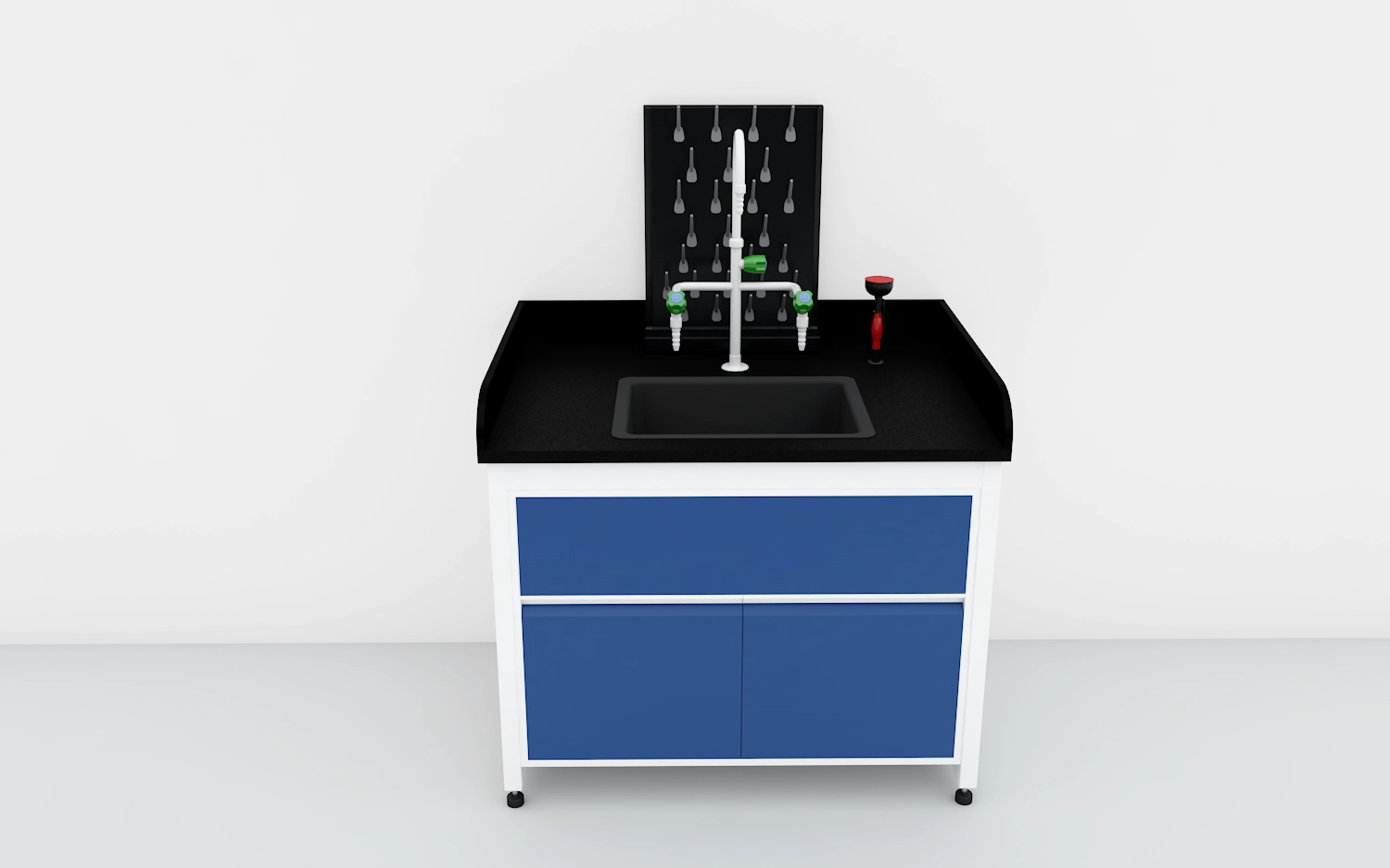
Maintenance Guide: Prolonging the Life of Lab Sink Cabinets
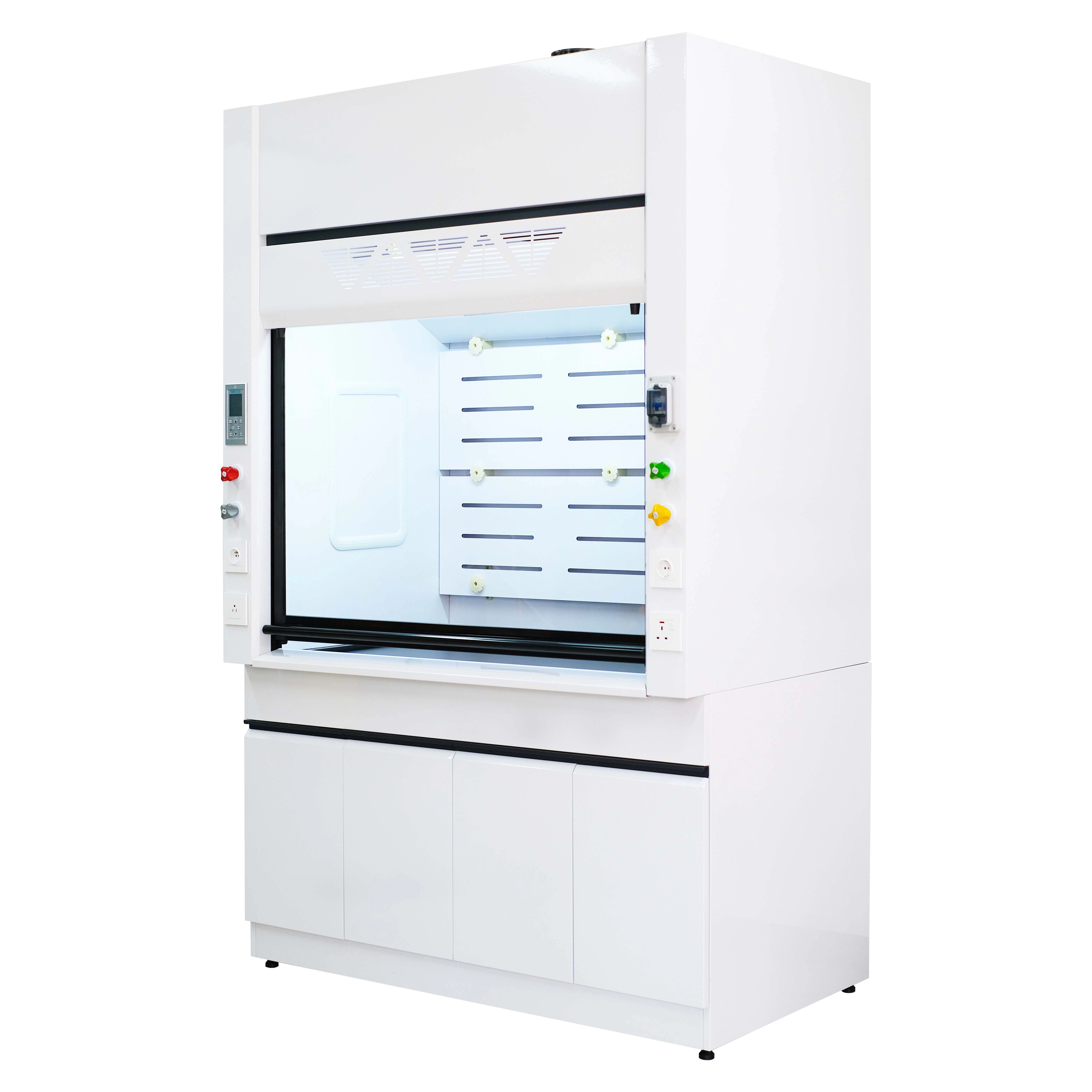
Fume Hood Vendor Selection Checklist for Procurement
Maintenance Tips to Extend the Life of Your Lab Sink
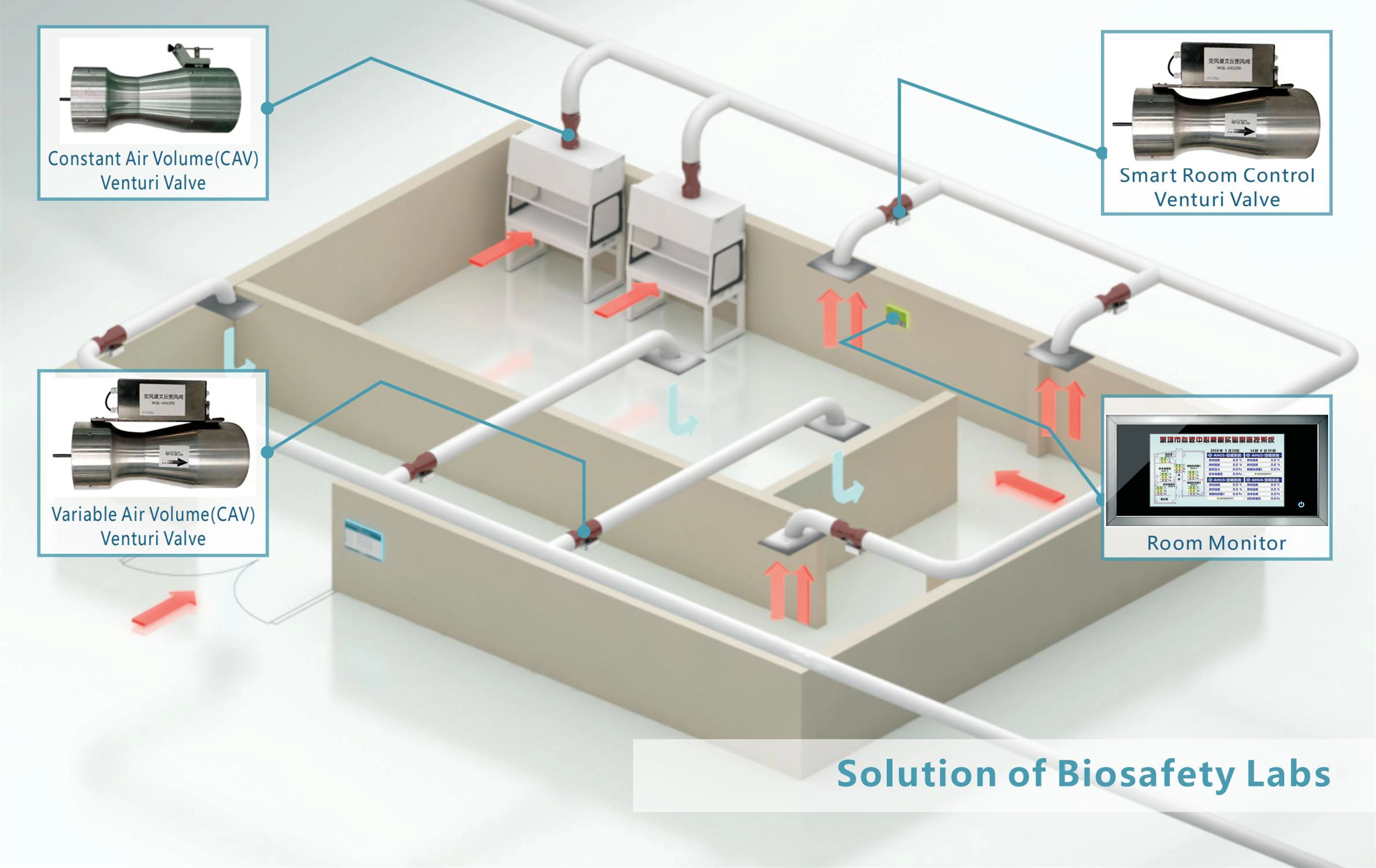
How Variable Air Volume Fume Hoods Improve Lab Safety
For Company
Do you offer our design service from scratch?
Yes, we provide full design support tailored to your lab’s specific needs, including layout planning and furniture customization.
Are you a factory or trade company?
Direct factory. We also have our sales and design team to offer better service to our valued customers.
For Logistics
Do you handle customs clearance for international shipments?
Of course, if you need it, we will handle the customs clearance of international shipments for our customers to ensure that your laboratory furniture arrives on time.
For Products
Do you offer ergonomic solutions for lab furniture?
Yes, our laboratory furniture includes ergonomic designs such as height-adjustable lab benches and chairs that reduce strain during long hours of work.
FAQS
Do you offer custom design services?
Yes, we provide full design support tailored to your lab’s specific needs, including layout planning and furniture customization.

Floor Mounted Lab Bench
Our Floor Mounted Lab Bench is an essential, high-efficiency workspace for laboratories, made from high-quality steel-wood or corrosion-resistant stainless steel materials to ensure exceptional durability and stability. The unique floor-mounted design effectively reduces vibration, optimizes space usage, and provides a safe and tidy laboratory environment.
Customizable storage solutions help organize lab equipment efficiently, while the easy-to-clean surface maintains laboratory hygiene. It is widely suitable for research institutions, educational laboratories, and the chemical and pharmaceutical industries.
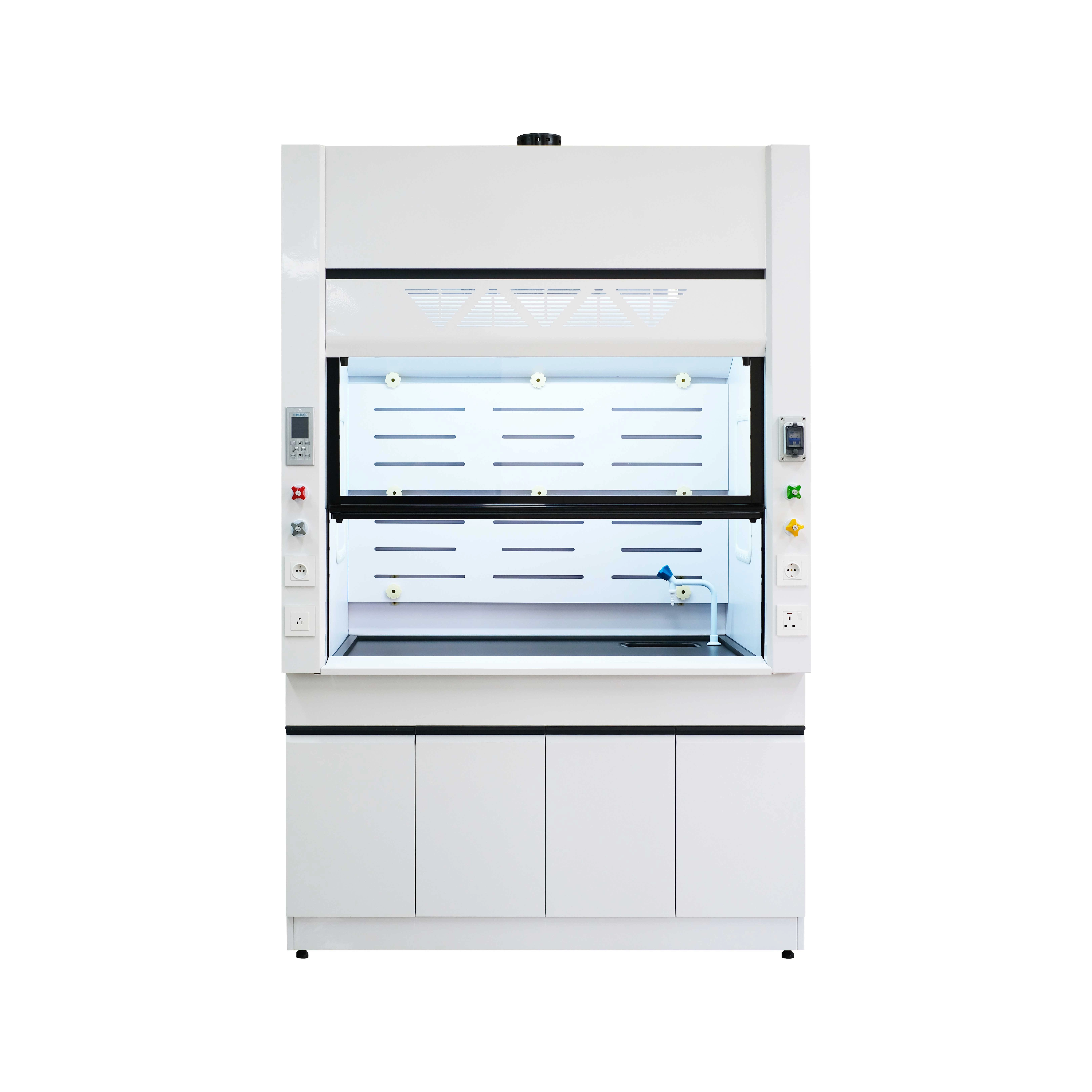
Fume Hood
The fume hood provides safe ventilation to protect against exposure to hazardous or toxic fumes, vapors, or airborne particulate. It is primarily used in laboratory and manufacturing applications to protect the user or environment outside the hood, but can also be used to protect the materials or experiment under the hood.
APPLICATION
Chemistry Lab, physics Lab, biological analysis, pharmaceutical medicine analysis, biological pharmaceutical, plant culture, environmental testing and electronic instrumentation scientific research and so on.
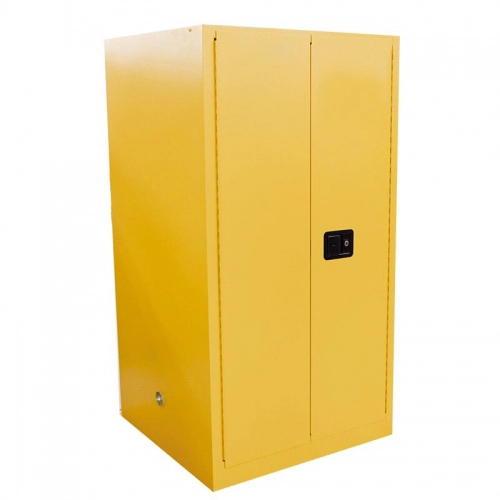
Flammable Storage Cabinet
Safety Cabinets store flammable liquids, corrosives, pesticides and other hazardous materials. All fire-resistant safety cabinets by meet fire codes and regulations for safety storage.
To help protect your people and facility from a potential fire, safety cabinets are engineered to safely contain flammable fuels, solvents, and chemicals. Safety cabinets can not only help everyone store chemicals reasonably, save chemical supplies, but also save human resources, and avoid fires caused by chemicals with the greatest strength.
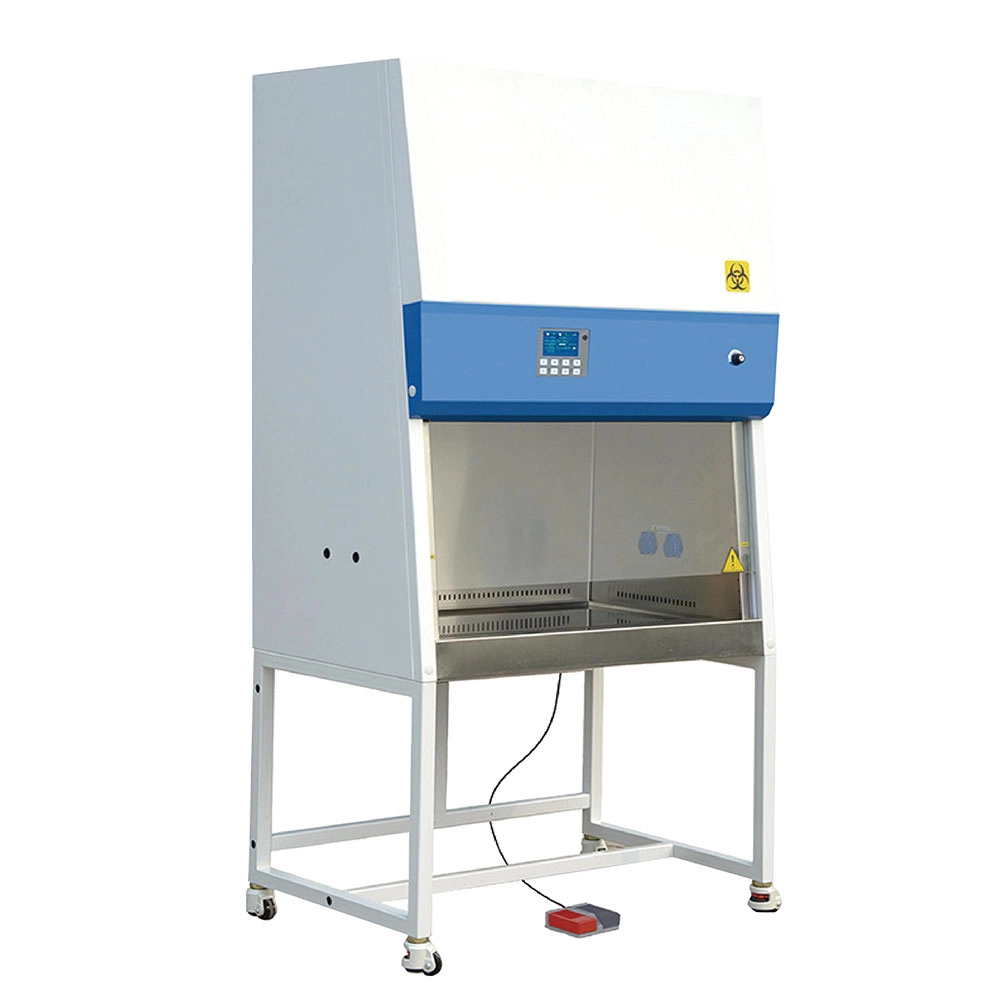
Class II Type A2 Biological Safety Cabinet for Laboratory
The Class II A2 Biological Safety Cabinet is designed to provide superior biosafety and contamination control for laboratories, research facilities, and clinical settings. With 70% air recirculation and 30% air exhaust, this cabinet ensures a safe and efficient work environment while protecting both the user and the samples.
Equipped with advanced features like a HEPA filtration system, motorized front window, and ergonomic design, this cabinet is a must-have for safe and reliable biological research.

 Scan QR Code
MaxLabFurniture
MaxLab Furniture
daihongada
Max Laboratory