
Custom Fabrication Options for Lab Countertops and Specs

- Custom Fabrication Options for Lab Countertops and Specs
- Introduction: Why the right lab countertop matters
- Material options for a lab countertop and key selection criteria
- Common lab countertop materials
- Quick material comparison table for lab countertops
- Custom sizes, cutouts, sinks and integration with lab furniture systems
- Cutouts and sink options for lab countertops
- Integration with lab furniture systems
- Edge profiles, seams and hygienic detailing for lab countertops
- Seam types and sealing
- Chemical compatibility, safety specs and testing
- Standards and tests to reference
- Fabrication tolerances, lead times and installation considerations
- Installation tips and support requirements
- Maintenance, repair and lifecycle costs for lab countertops
- Environmental and sustainability factors
- Cleanroom and teaching lab considerations for lab countertops
- Why choose Max Lab for your Lab Countertops
- Frequently Asked Questions (FAQ)
- Q: Which lab countertop material is best for chemical labs?
- Q: Can countertops be made seamless for cleanrooms?
- Q: What tolerances should I expect for cutouts and sink placements?
- Q: How long does it take to fabricate and install custom lab countertops?
- Q: Can damaged tops be repaired on site?
- Q: Do you provide CAD drawings and templating services?
- Contact Max Lab / View Products
- Authoritative references and further reading

Custom Fabrication Options for Lab Countertops and Specs
Introduction: Why the right lab countertop matters
Choosing the correct lab countertop is a decision that affects safety, usability, cleaning, long-term cost and regulatory compliance. Lab countertops must resist chemicals, stand up to heat and abrasion, integrate with casework and utilities, and meet the needs of specific environments such as biology, chemistry, cleanrooms and teaching labs. One-Stop Custom Lab Worktops Built for Real Lab Conditions
Choose the right countertop material for your chemical, biology, cleanroom, or teaching lab. Max Lab provides full customization—sizes, cutouts, sinks, edges, and integration with lab furniture systems.
Material options for a lab countertop and key selection criteria
When specifying a lab countertop, begin by listing the performance priorities: chemical resistance, heat tolerance, cleanability, particle generation, impact resistance, appearance, budget and lifecycle. Below are the most common materials used for lab countertops and the selection criteria that matter for each lab type.
Common lab countertop materials
- Epoxy resin: High chemical resistance to acids and many solvents; often poured and cured to produce integral sinks and coved joints. Good for chemical labs and wet benches.
- Phenolic resin: Durable, impact-resistant, and dimensionally stable with good moisture resistance. Typically used in teaching labs and general-purpose benches.
- Stainless steel (304 or 316L): Excellent for heat resistance, sterilizability and food/biotech applications; beware of corrosion from some acids or chloride exposure without proper alloy selection and passivation.
- Quartz/engineered stone: Attractive, scratch-resistant surfaces with low porosity. Best for teaching labs and some clinical spaces; not universally chemical-resistant to strong solvents or hot acids.
- Ceramic/porcelain: Excellent heat and chemical resistance; can be brittle and heavy; used where high-temperature resistance and surface inertness are needed.
- High Pressure Laminate (HPL): Cost-effective for dry labs and teaching spaces but limited chemical and heat resistance; not recommended for aggressive chemical work.
Quick material comparison table for lab countertops
| Material | Chemical Resistance | Heat Resistance | Scratch/Impact | Cleanroom Friendly | Typical Thickness | Relative Cost | Best Use |
|---|---|---|---|---|---|---|---|
| Epoxy Resin | High for many acids and solvents; consult compatibility chart | Good (up to moderate temperatures); avoid open flame | Good; can be repaired | Moderate; smooth finishes available | 1 1/4 in (30 mm) typical | Medium | Chemical labs, wet benches, integrated sinks |
| Phenolic Resin | Good to moderate; resistant to moisture | Moderate; avoid sustained high heat | Very good impact resistance | Good; low particle shedding | 3/4 in to 1 in (19-25 mm) | Low to medium | Teaching labs, general-purpose benches |
| Stainless Steel (304/316L) | Good to excellent; pick alloy for chlorides/acids | Excellent | Moderate; dents possible | Excellent when properly finished | 16-18 gauge to 1/4 in (varies) | Medium to high | Biotech, cleanable surfaces, autoclave areas |
| Quartz / Engineered Stone | Moderate; some solvents/strong acids can etch | Moderate | High scratch resistance | Good | 20-30 mm | Medium to high | Teaching labs, clinical prep areas |
| Ceramic / Porcelain | Excellent | Excellent | Moderate; brittle | Excellent | Varies; tile or slab thickness | High | High-temp chemistry, specialized labs |
| High Pressure Laminate (HPL) | Low to moderate | Poor to moderate | Moderate | Fair | 1/2 in to 1 in (12-25 mm) | Low | Dry labs, classrooms, light-duty benches |
Custom sizes, cutouts, sinks and integration with lab furniture systems
Customization defines modern lab countertop value. Typical fabrication options include custom lengths, integrated sinks and troughs, precise cutouts for instruments and utilities, built-in slopes for drainage, and attachment systems to integrate with casework, shelving and fume hoods. These features must be specified at design stage to avoid rework and to ensure safe utility routing.
Cutouts and sink options for lab countertops
Common cutouts: instrument apertures, gas/utility valves, electrical pop-ups, sinks and drains. Tolerances: manufacturers typically hold +-1/8 in (3 mm) for cutout locations; tighter tolerances available with shop templating or field measuring. Sink choices include stainless steel undermounted sinks, epoxy-molded sinks integral to epoxy tops, removable molded sinks for phenolic tops, and composite sinks. When specifying sinks, indicate drain size, slope, overflow, and whether a catch basins or trap doors are required.
Integration with lab furniture systems
Integration points: fume hood face frames, casework top-mounts, support frames, and modular bench systems. Provide coordination drawings showing cleat locations, bolt holes, and utility chase access. For long runs, discuss seam placement and support spacing; most solid surfaces require support every 24 to 36 inches to prevent sagging depending on material and thickness.
Edge profiles, seams and hygienic detailing for lab countertops
Edge profiles and seams influence hygiene, cleanability and safety. Typical edge profiles: eased (small radius), bullnose, beveled and coved. For sterile or cleanroom environments, coved edges and seamless coved joints to vertical surfaces are preferred because they remove right-angle crevices where dust and microbes collect.
Seam types and sealing
Seams can be butt seams with chemical-resistant sealant, adhesive-bonded seams, or heat-fused/coved joints for epoxy and some thermoset materials. Where possible, place seams away from critical zones (e.g., in cabinetry bays) and design for coved joints at backsplashes. Joint strength and chemical resistance depend on adhesive selection; verify compatibility with your most aggressive reagents.
Chemical compatibility, safety specs and testing
Chemical resistance varies widely; always consult a compatibility chart for the exact chemical and temperature of exposure. For concentrated acids and solvents, epoxy resin performs better than HPL, while stainless selection (316L vs 304) matters for chlorides. Where biosafety is essential, select materials that withstand hospital-grade disinfectants and autoclave conditions where relevant.
Standards and tests to reference
- ASTM chemical resistance testing protocols (for material suppliers)
- ISO 14644 cleanroom classification when specifying low particle or low-outgassing tops
- OSHA and local building codes for lab utilities, sink drains and chemical storage
Fabrication tolerances, lead times and installation considerations
Fabrication tolerances and lead times depend on material and complexity. Typical lead times range from 2 to 6 weeks for stock materials and 4 to 12 weeks for custom epoxy pours or complex integrated systems. Epoxy countertops require curing time and may need onsite finishing; stainless steel may require field leveling and seal welding. Coordinate installation windows with other trades to avoid damage.
Installation tips and support requirements
Support frame design must account for material weight and live loads. Epoxy tops are heavy; plan for plywood or metal supports with distributed blocking. Allow access for plumbing and routing of utilities. For seismic areas, specify anchorage of benches and islands per local regulations.
Maintenance, repair and lifecycle costs for lab countertops
Maintenance plans should match material: epoxy can be sanded and recoated for repairs; stainless steel may be buffed and passivated; engineered stone may be resealed depending on type. Lifecycle cost analysis includes initial purchase, expected service life, repair frequency, downtime during repairs and disposal/recycling. For high-use teaching labs, phenolic may offer the best balance of cost and durability; for aggressive chemistry, epoxy or ceramic will reduce replacement risk.
Environmental and sustainability factors
Consider material recyclability, VOC emissions during installation and the supplier's environmental practices. Some materials (stainless steel) are highly recyclable; others (certain resins) have limited recycling pathways. Ask suppliers for life cycle data if sustainability is a requirement.
Cleanroom and teaching lab considerations for lab countertops
Cleanrooms demand low particle shedding materials, smooth, non-porous finishes and coved junctions. Specify ISO 14644 class target and confirm top material particle emission rates. Teaching labs prioritize durability, low cost and easy maintenance; consider replaceable top panels for islands or benches to minimize downtime.
Why choose Max Lab for your Lab Countertops
Max Lab specializes in fully customized Lab Countertops and one-stop solutions for project design, fabrication and installation. Benefits include:
- Full customization of sizes, cutouts, sinks, edges and fittings to match lab workflows
- Material expertise across epoxy, phenolic, stainless, engineered stone and ceramic products
- Integration services for lab furniture systems, fume hoods and utility coordination
- Quality control with fabrication tolerances, on-site templating and professional installation
- After-sale support, warranty options and maintenance guidance
One-Stop Custom Lab Worktops Built for Real Lab Conditions
Choose the right countertop material for your chemical, biology, cleanroom, or teaching lab. Max Lab provides full customization—sizes, cutouts, sinks, edges, and integration with lab furniture systems.
Frequently Asked Questions (FAQ)
Q: Which lab countertop material is best for chemical labs?
A: Epoxy resin countertops are commonly preferred for aggressive chemical exposure due to broad resistance to acids and many solvents. Ceramic also performs exceptionally for high-temperature and highly corrosive environments. Always check the chemical compatibility chart for specific reagents and concentrations.
Q: Can countertops be made seamless for cleanrooms?
A: Yes. Epoxy and some thermoset materials can be heat-fused or poured with coved junctions to minimize seams. For stainless, seamless welds and mechanical polishing can reduce crevices. Specify cleanroom requirements early so joints and edges meet ISO 14644 objectives.
Q: What tolerances should I expect for cutouts and sink placements?
A: Typical fabrication tolerances are +-1/8 in (3 mm) for standard cutouts. If you need tighter locations for precision instruments, provide shop templates or allow a site measure/templating step to reduce error.
Q: How long does it take to fabricate and install custom lab countertops?
A: Lead times vary by material and complexity. Stock phenolic or stainless tops may ship in 2 to 6 weeks. Custom epoxy pours, integrated sinks or complex cutouts typically require 4 to 12 weeks. Installation windows should account for curing and coordination with other trades.
Q: Can damaged tops be repaired on site?
A: Many materials are repairable. Epoxy can be sanded and patched; phenolic can be replaced in sections; stainless dents may be hammered or replaced; engineered stone chips may be filled by specialists. Discuss repairability and expected maintenance with your supplier.
Q: Do you provide CAD drawings and templating services?
A: Yes. Max Lab provides CAD-level coordination drawings, shop templating and onsite verification to ensure cutouts, mountings and utility penetrations align with field conditions.
Contact Max Lab / View Products
Custom or standard, it’s important to verify sustainability and certifications to require for lab countertops, ensuring the materials are environmentally responsible and compliant with industry regulations.If you are specifying a lab countertop for a new facility or retrofit, contact Max Lab for a consultation, sample materials and a site evaluation. Our team will provide material recommendations, compatibility checks, CAD drawings and installation scheduling. To request a quote or schedule a consultation, contact our sales team at sales@maxlab.com or call +1-800-555-0123. View our Lab Countertops product line and customization options on our website.
Authoritative references and further reading
- ISO 14644 Cleanrooms and associated controlled environments: https://www.iso.org/standard/53394.
- ASTM International standards overview: https://www.astm.org/
- OSHA Laboratory Safety guidance: https://www.osha.gov/laboratory-safety
- Wikipedia: Laboratory bench: https://en.wikipedia.org/wiki/Laboratory_bench
- Wikipedia: Epoxy resin: https://en.wikipedia.org/wiki/Epoxy_resin
- CDC Laboratory Safety resources: https://www.cdc.gov/labsafety/index.
For any bespoke requirement or to discuss a project, Max Lab engineers are available to help translate your workflow, chemical profile and cleanroom class into a precise lab countertop specification.
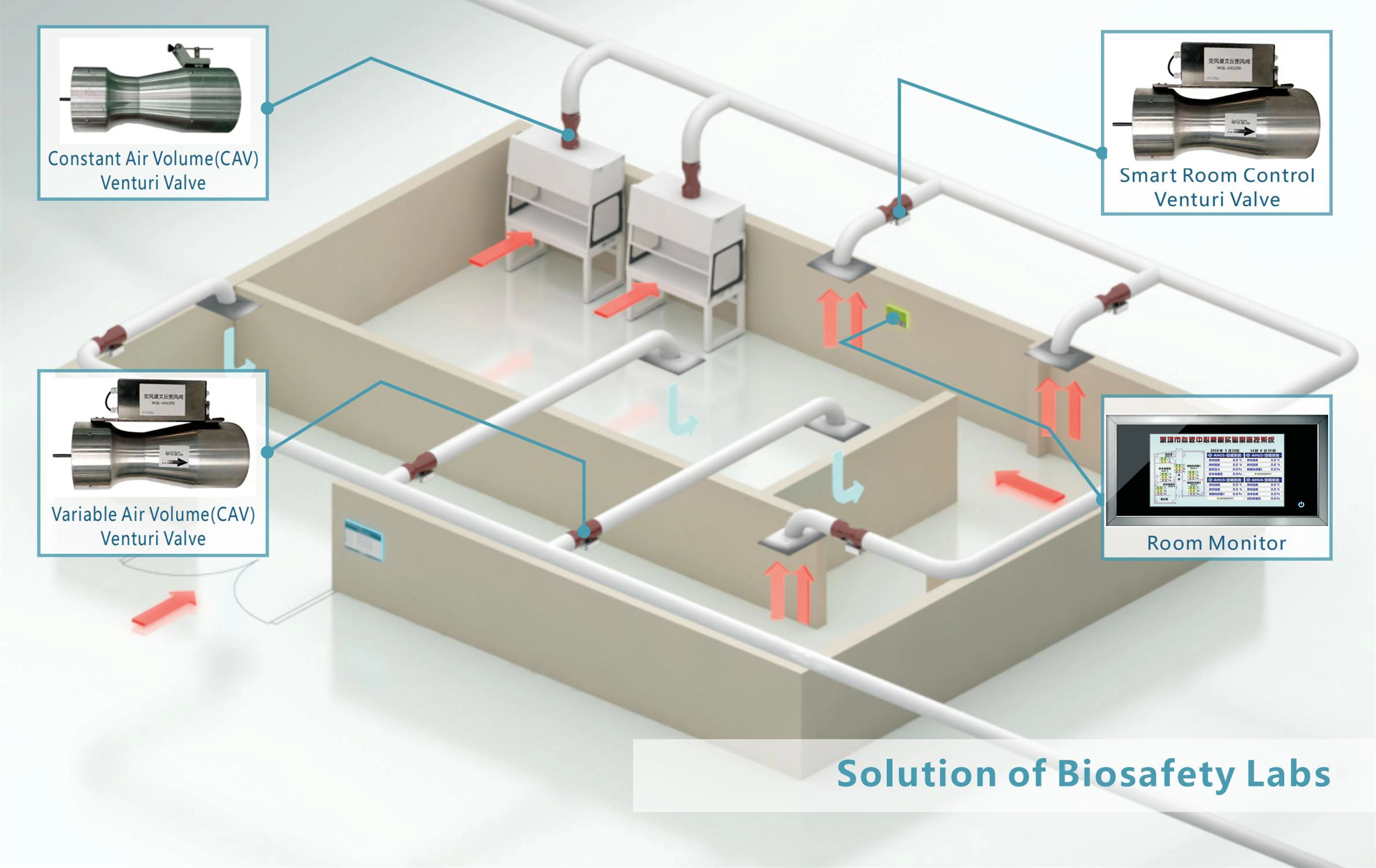
How Variable Air Volume Fume Hoods Improve Lab Safety
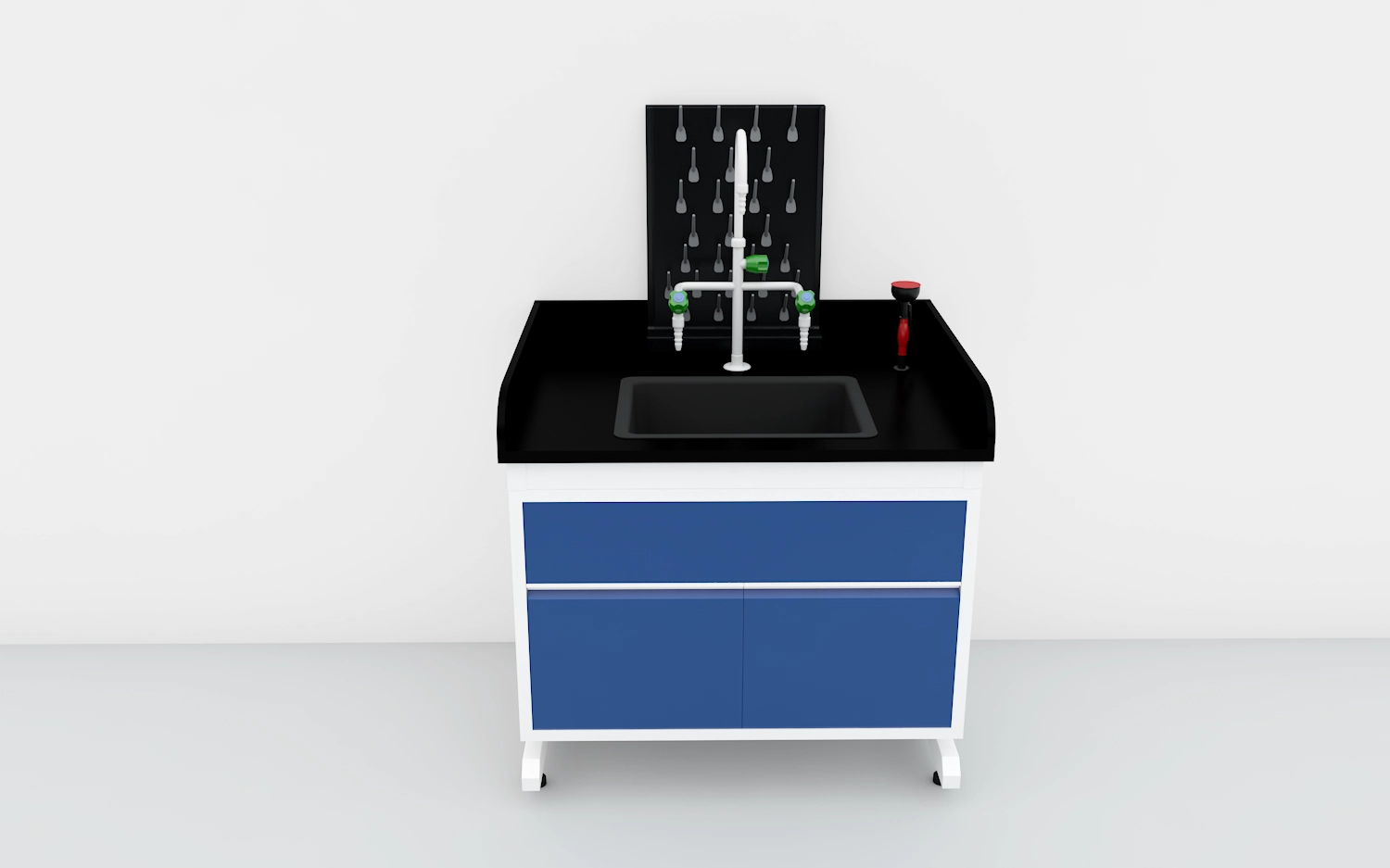
Custom Lab Sink Cabinets: When to Choose Customization
Stainless Steel Lab Sink Options: Pros and Cons
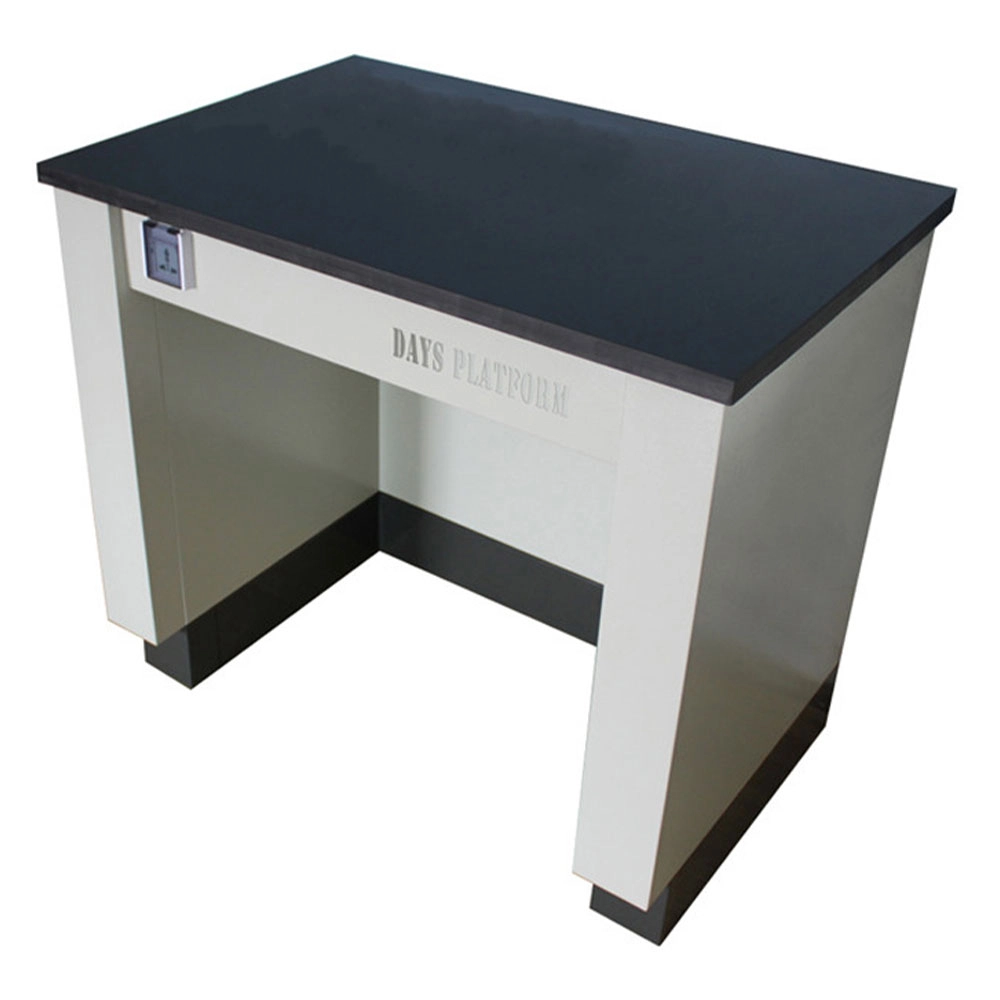
Choosing a laboratory table for precision balances: BT-03 insights
Customization
Can equipment be customized to specific experimental safety standards?
Yes. We offer customized equipment to specific safety standards, such as ANSI/ASHRAE standards, UL certification and ISO safety standards.
For Products
What kind of fume hoods do you offer?
We offer all steel fume hood, benchtop fume hood, multi-sided fume hood, walk-in fume hood, PP fume hood, ductless fume hood, stainless steel fume hood and perchloric acid fume hood to suit various laboratory needs and ensure safety.
About Solution
Do you provide laboratory layout design service?
Yes, we provide professional laboratory layout design service to optimize space utilization and workflow according to customer's site and usage requirements.
How about your after sale service?
We will reply to you within 24 hours by email or phone.
If we have a local agent, we will arrange for him to be at your site within 24 hours to assist you in shooting the problem.
For Logistics
How can I track my shipment?
Once your order has been shipped, we will provide tracking information so you can monitor the status of your delivery.

Floor Mounted Lab Bench
Our Floor Mounted Lab Bench is an essential, high-efficiency workspace for laboratories, made from high-quality steel-wood or corrosion-resistant stainless steel materials to ensure exceptional durability and stability. The unique floor-mounted design effectively reduces vibration, optimizes space usage, and provides a safe and tidy laboratory environment.
Customizable storage solutions help organize lab equipment efficiently, while the easy-to-clean surface maintains laboratory hygiene. It is widely suitable for research institutions, educational laboratories, and the chemical and pharmaceutical industries.
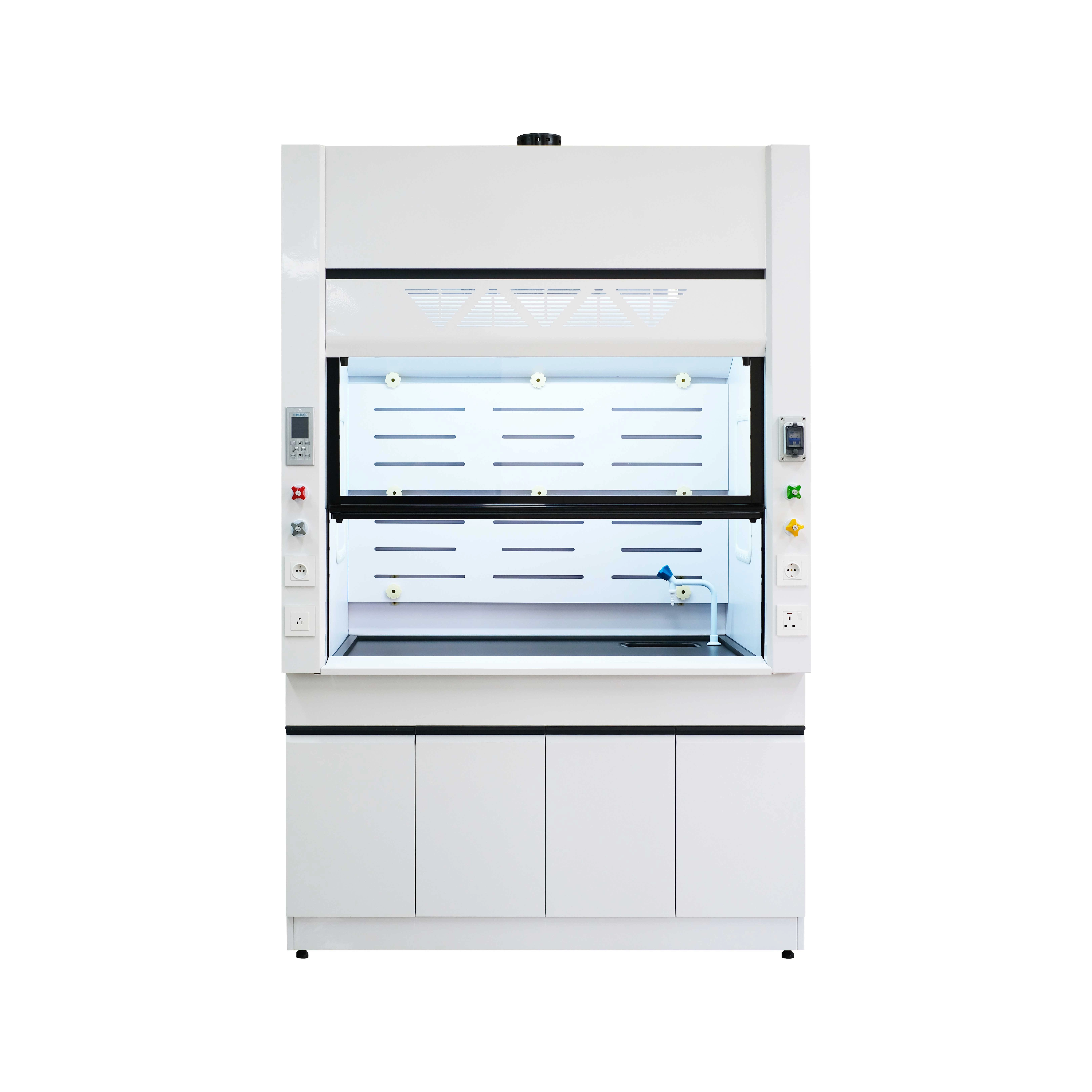
Fume Hood
The fume hood provides safe ventilation to protect against exposure to hazardous or toxic fumes, vapors, or airborne particulate. It is primarily used in laboratory and manufacturing applications to protect the user or environment outside the hood, but can also be used to protect the materials or experiment under the hood.
APPLICATION
Chemistry Lab, physics Lab, biological analysis, pharmaceutical medicine analysis, biological pharmaceutical, plant culture, environmental testing and electronic instrumentation scientific research and so on.
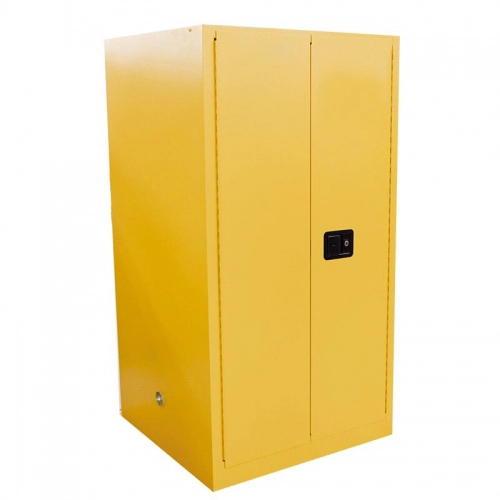
Flammable Storage Cabinet
Safety Cabinets store flammable liquids, corrosives, pesticides and other hazardous materials. All fire-resistant safety cabinets by meet fire codes and regulations for safety storage.
To help protect your people and facility from a potential fire, safety cabinets are engineered to safely contain flammable fuels, solvents, and chemicals. Safety cabinets can not only help everyone store chemicals reasonably, save chemical supplies, but also save human resources, and avoid fires caused by chemicals with the greatest strength.
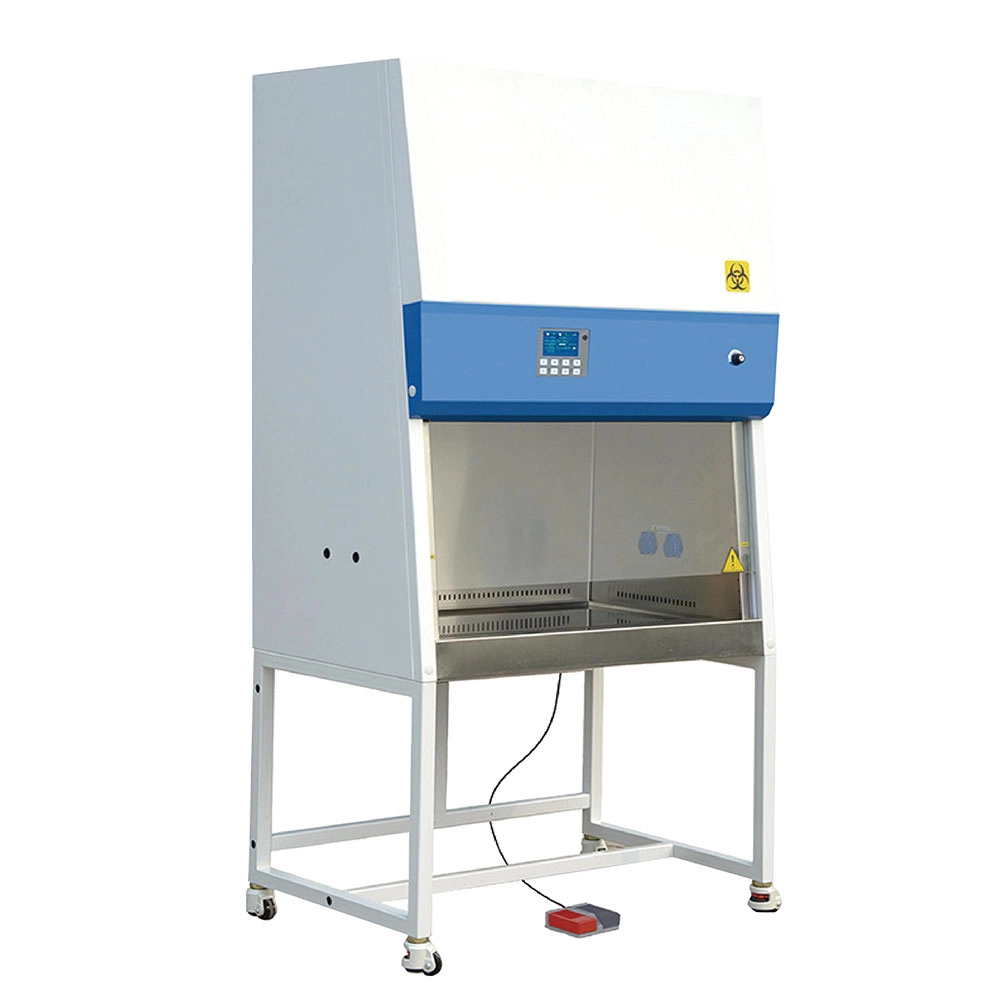
Class II Type A2 Biological Safety Cabinet for Laboratory
The Class II A2 Biological Safety Cabinet is designed to provide superior biosafety and contamination control for laboratories, research facilities, and clinical settings. With 70% air recirculation and 30% air exhaust, this cabinet ensures a safe and efficient work environment while protecting both the user and the samples.
Equipped with advanced features like a HEPA filtration system, motorized front window, and ergonomic design, this cabinet is a must-have for safe and reliable biological research.

 Scan QR Code
MaxLabFurniture
MaxLab Furniture
daihongada
Max Laboratory