
Custom Fume Hood Configurations for Specialized Laboratory Needs
- Custom Fume Hood Configurations for Specialized Laboratory Needs
- Overview: Why Custom Fume Hood Solutions Matter in Modern Labs
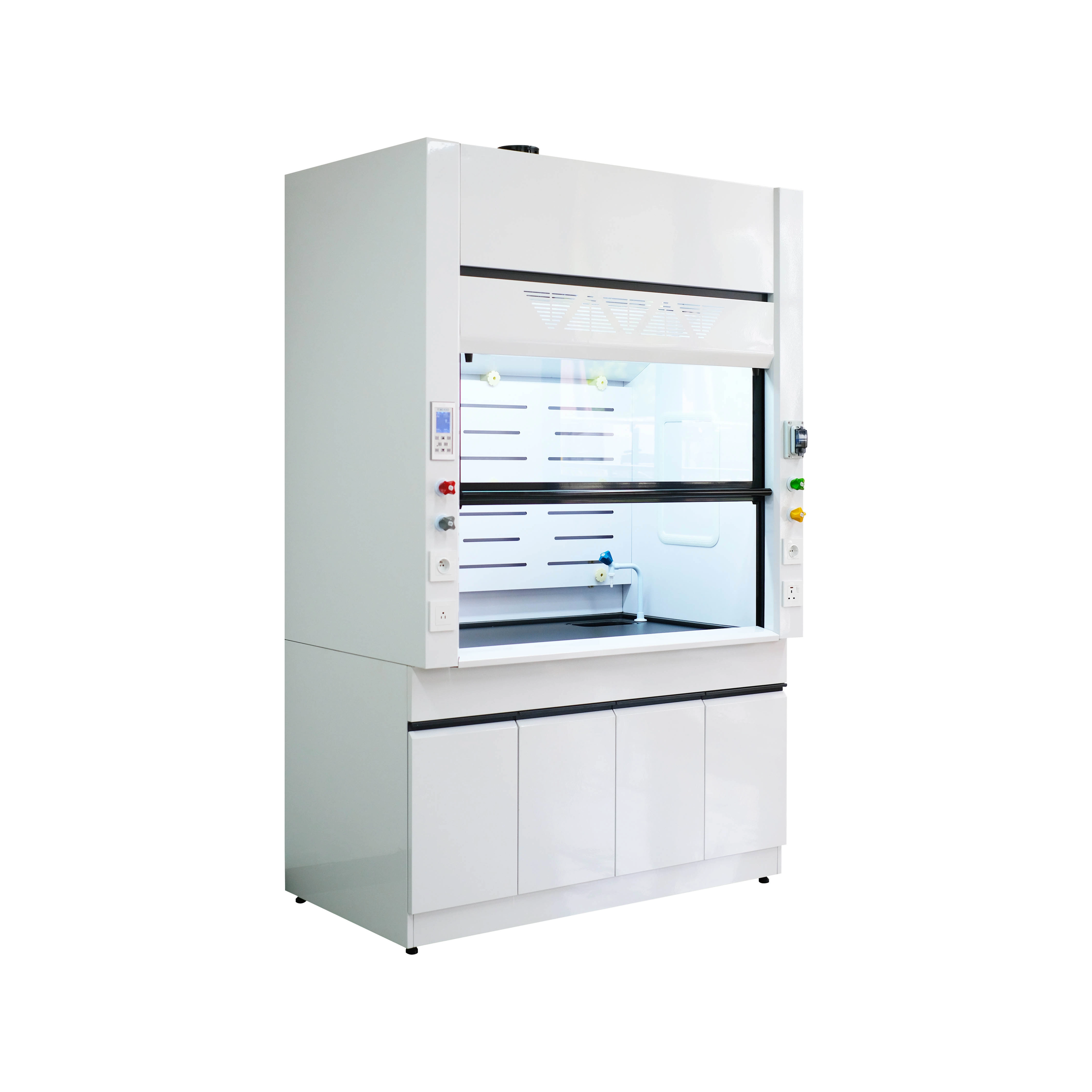
- Product Description: Fume Hood
- Understanding Specialized Needs: Questions to Define Custom Configuration
- Configuration Options: Ducted vs. Ductless Fume Hood
- Airflow Control: VAV vs. CAV and Face Velocity Considerations
- Materials and Construction: Selecting the Right Surfaces for Corrosive or Clean Work
- Filtration and Exhaust: HEPA, Carbon, and Specialty Filters
- Controls, Sensors, and Integration with Lab Management Systems
- Special Features and Add-Ons: Tailored to Workflow
- Comparison Table: Common Fume Hood Configurations
- Installation and Commissioning: Ensuring Performance Matches Design
- Maintenance, Certification, and Lifecycle Costs
- Regulatory Compliance and Safety Standards
- Integrating Custom Hoods into Complex Workflows
- Brand Advantages: Why Choose Our Custom Fume Hood Solutions
- Cost Considerations and Budgeting for a Custom Fume Hood
- Case Examples: Matching Configuration to Application
- FAQ: Custom Fume Hood Configurations (Frequently Asked Questions)
- Contact Our Team / View Product
- Authoritative References
- Final Notes
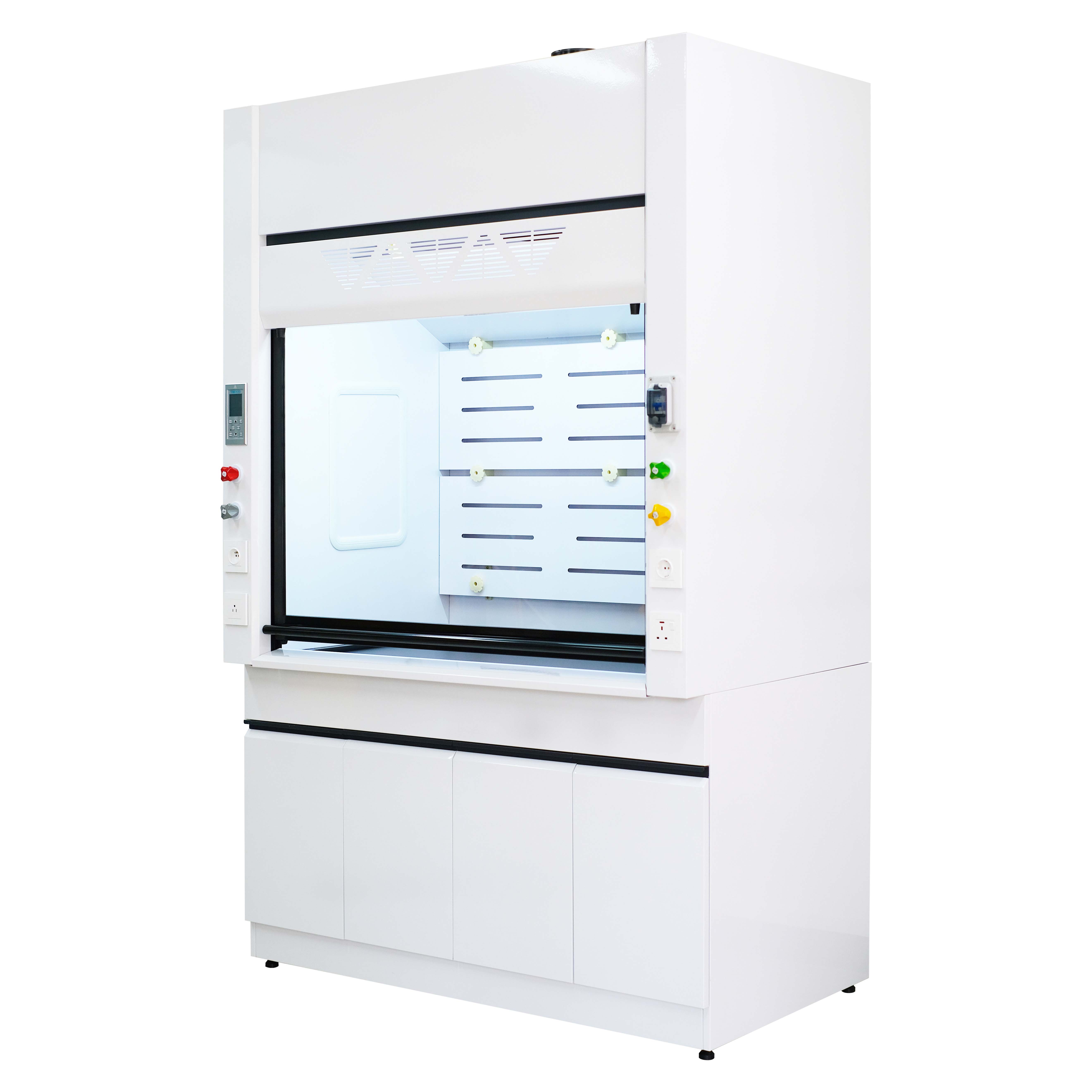
Custom Fume Hood Configurations for Specialized Laboratory Needs
Overview: Why Custom Fume Hood Solutions Matter in Modern Labs
Fume hoods are essential engineered controls that protect laboratory personnel and the environment from hazardous vapors, fumes, and particulate. Off-the-shelf units may suffice for routine work, but specialized laboratory processes—such as pharmaceutical synthesis, trace analysis in environmental testing, cell culture with volatile sterilants, or electronics manufacturing—often require tailored Fume Hood configurations. Customization optimizes safety, workflow efficiency, energy use, and regulatory compliance while reducing long-term operational costs.
Product Description: Fume Hood
The fume hood provides safe ventilation to protect against exposure to hazardous or toxic fumes, vapors, or airborne particulate. It is primarily used in laboratory and manufacturing applications to protect the user or environment outside the hood, but can also be used to protect the materials or experiment under the hood.
APPLICATION
Chemistry Lab, physics Lab, biological analysis, pharmaceutical medicine analysis, biological pharmaceutical, plant culture, environmental testing and electronic instrumentation scientific research and so on.
Understanding Specialized Needs: Questions to Define Custom Configuration
Before selecting a custom Fume Hood, laboratory managers should answer the following: What hazardous agents or chemicals will be used? Do processes generate particulates, acid gases, or organics? Is protection required for personnel, product, or both? Do experiments require specialized utilities (ultra-pure gases, vacuum, steam)? What are footprint and access constraints? Answers guide decisions on sash style, materials of construction, filtration, exhaust strategy, and controls.
Configuration Options: Ducted vs. Ductless Fume Hood
Choosing between ducted and ductless systems is a primary customization decision. Ducted fume hoods remove contaminated air to the outdoors and are preferred for many volatile, toxic, or unknown chemistry applications. Ductless (recirculating) hoods use filtration (activated carbon, HEPA/ULPA) and are suited for labs where outdoor exhaust is impractical and when target contaminants are well-known and compatible with available filters.
keywords: buy fume hood, custom fume hood systems.
Airflow Control: VAV vs. CAV and Face Velocity Considerations
Airflow strategy affects safety and energy use. Constant air volume (CAV) hoods maintain fixed exhaust and simple controls, which can be adequate for many labs. Variable air volume (VAV) hoods adjust exhaust to maintain set face velocity, reducing energy consumption in facilities with many hoods. For high-hazard work, maintain recommended face velocity (typically 80–120 ft/min for many applications) and follow local standards. Incorporate alarm thresholds and airflow monitoring for commercial installations to meet compliance and safety expectations.
Materials and Construction: Selecting the Right Surfaces for Corrosive or Clean Work
Material choice depends on chemical compatibility and cleanliness requirements. Common options include:
- Phenolic resin: cost-effective and corrosion-resistant to many acids and bases.
- Epoxy resin: smooth, chemical resistant, good for moderate corrosives and easy to clean.
- Stainless steel (304/316): suitable for high-temperature processes and when washdown or sterility is needed.
- Powder-coated carbon steel: durable for general lab use but less resistant to strong acids.
Customizing materials extends hood service life and reduces maintenance—for example, specifying 316L stainless for halogenated solvents or corrosive acids.
Filtration and Exhaust: HEPA, Carbon, and Specialty Filters
Filtration strategy must match contaminants. HEPA/ULPA filters remove particulates and biological aerosols; activated carbon filters adsorb organic vapors; impregnated carbon or chemisorption media target acid gases or ammonia. For ductless solutions, multi-stage filtration (pre-filter + HEPA + carbon) is common. For ducted systems, consider exhaust scrubbers or chemical abatement when emissions exceed environmental limits.
Controls, Sensors, and Integration with Lab Management Systems
Modern custom Fume Hood configurations integrate digital controls: air velocity sensors, sash position detection, VOC detectors, pressure differentials, and remote monitoring via building management systems (BMS). These features enable automated alarms, usage logging, and energy optimization—useful for compliance evidence and predictive maintenance.
Special Features and Add-Ons: Tailored to Workflow
Custom options include:
- Walk-in or canopy hoods for large assemblies or industrial wet processes.
- Perchloric acid hoods with washdown and dedicated ductwork to manage explosive salts.
- Low-flow or turbine-assisted hoods for micro-manipulation and trace analysis where turbulence is critical.
- Pass-through cabinets, glove ports, and integrated laminar flow modules to protect materials.
Comparison Table: Common Fume Hood Configurations
| Feature | Ducted Fume Hood | Ductless (Recirculating) Fume Hood | Perchloric/Acid-Specific Hood |
|---|---|---|---|
| Best for | Volatile/toxic chemistries, unknown mixtures | Known organics, limited space, no exhaust route | Perchlorate chemistry, strong oxidizers |
| Exhaust | To outdoors via ductwork | Recirculates after filtration | Dedicated washdown and separate ductwork |
| Energy profile | Higher unless VAV is used | Lower operational energy, filter replacement cost | Moderate–high (special abatement often required) |
| Typical materials | Epoxy, stainless, phenolic | Epoxy, stainless (for filters contact) | Stainless 316L, corrosion-resistant liners |
| Maintenance | Periodic face velocity testing, duct checks | Frequent filter replacement and leak checks | Regular washdown, frequent inspections |
Installation and Commissioning: Ensuring Performance Matches Design
Proper installation ensures custom configurations perform as intended. Steps include site survey, utility mapping, duct routing, vibration isolation, and commissioning tests (face velocity, containment smoke testing, and filter leak checks). Commissioning should produce documented results to satisfy institutional safety officers and regulatory inspectors. Consider factory acceptance testing (FAT) for complex hoods to validate controls before shipment.
Maintenance, Certification, and Lifecycle Costs
Regular maintenance preserves protection and extends lifespan. Key activities: face velocity verification (typically annually or after any relocation), filter replacement per manufacturer schedules, sash and gasket inspection, and sensor calibration. Lifecycle cost analysis should include energy (exhaust conditioned air), filter consumption (for recirculating units), and periodic certification—an upfront higher-quality build can reduce total cost of ownership.
Regulatory Compliance and Safety Standards
Custom Fume Hood solutions must meet applicable standards and best practices. Refer to institutional safety policies, local building and environmental codes, and guidance from authoritative bodies. Typical references include OSHA laboratory standards, NFPA recommendations for chemical storage and flammables, and ASHRAE guidelines for laboratory ventilation. Integrate compliance into design documentation and commissioning protocols.
Integrating Custom Hoods into Complex Workflows
Specialized labs often require multiple integrated systems: gloveboxes, containment isolators, clean benches, and specialized utilities (e.g., chilled water for condensers). Custom fume hoods can be designed with modular utility panels, adjustable service fixtures, pass-throughs, and ergonomic considerations to streamline workflow and reduce cross-contamination risk.
Brand Advantages: Why Choose Our Custom Fume Hood Solutions
Our company combines deep lab furniture expertise with engineering-grade customization. Key advantages include:
- End-to-end design: from site survey to commissioning and training.
- Multiple material options and corrosion-resistant builds for extended service life.
- Energy-efficient VAV controls and integration with BMS for cost savings.
- In-house filter validation, VOC detection integration, and compliance documentation for audits.
- Responsive service network for scheduled maintenance and emergency support.
These capabilities reduce project risk, speed up laboratory start-up, and provide measurable operational savings over time.
Cost Considerations and Budgeting for a Custom Fume Hood
Budgeting should consider initial equipment cost, ductwork or filter systems, controls and sensors, installation and commissioning, and recurring costs (energy and filter replacement). For many labs, choosing a slightly higher initial investment for improved materials and VAV controls yields a faster return via lower maintenance and energy bills. Request an itemized proposal and a lifecycle cost projection when comparing vendors.
Case Examples: Matching Configuration to Application
Example 1: Analytical chemistry lab performing trace organics—recommended: low-turbulence sash, ducted hood with VAV controls, benchtop epoxy finish, and stainless work surface for sampling instruments.
Example 2: Cell culture lab using small volumes of volatile disinfectants—recommended: ductless hood with HEPA + specialized carbon filtration, integrated airflow alarms, and stainless interior for washdown.
FAQ: Custom Fume Hood Configurations (Frequently Asked Questions)
Q: How do I know whether to specify ducted or ductless?
A: Choose ducted when working with highly toxic, unknown, or high-volume volatiles and when outdoor exhaust is feasible. Choose ductless for known, low-concentration organics where exhaust routing is impractical, and only after verifying filter compatibility with contaminants.
Q: What maintenance is required for a custom fume hood?
A: At minimum, annual face velocity/containment testing, periodic sash/gasket inspection, and scheduled filter replacement for recirculating systems. Follow manufacturer recommendations and institutional safety policies.
Q: Can a fume hood protect both personnel and sensitive samples?
A: Yes—design features such as laminar flow integration, low-turbulence sashes, and glovebox attachments can protect samples while traditional sash and exhaust protect personnel. Clarify protection priorities during design.
Q: Are there energy-saving options for fume hoods?
A: Yes. VAV controls, occupancy sensors, sash management, and demand-based ventilation reduce energy use. Proper commissioning ensures savings are realized.
Contact Our Team / View Product
After defining a customized solution, protecting that investment becomes essential. Implementing structured fume hood maintenance plans to minimize downtime ensures consistent performance and reduces unexpected interruptions.If you are ready to specify or buy a custom Fume Hood, contact our sales team for a free consultation and site survey: sales@yourcompany.com. View detailed product specifications and request a quote at: /products/fume-hood or contact our technical support at +1-800-555-0123 for immediate assistance.
Authoritative References
For further reading and regulatory guidance, consult these authoritative sources:
- Wikipedia — Fume hood: https://en.wikipedia.org/wiki/Fume_hood
- OSHA — Laboratory Safety Guidance: https://www.osha.gov/laboratory-safety
- NIOSH — Hierarchy of Controls: https://www.cdc.gov/niosh/topics/hierarchy/default.
- ASHRAE — Laboratory Ventilation Guidance: https://www.ashrae.org/technical-resources/laboratory-ventilation
- NFPA — Codes and Standards for Flammable and Combustible Liquids: https://www.nfpa.org
Final Notes
Custom fume hood configurations are investments in safety, compliance, and productivity. By aligning hood type, materials, airflow control, filtration, and controls with your lab's specific hazards and workflows, you can achieve strong protection and cost-effective operation. Engage with experienced providers early in the planning stage to ensure design choices meet long-term needs and regulatory requirements.
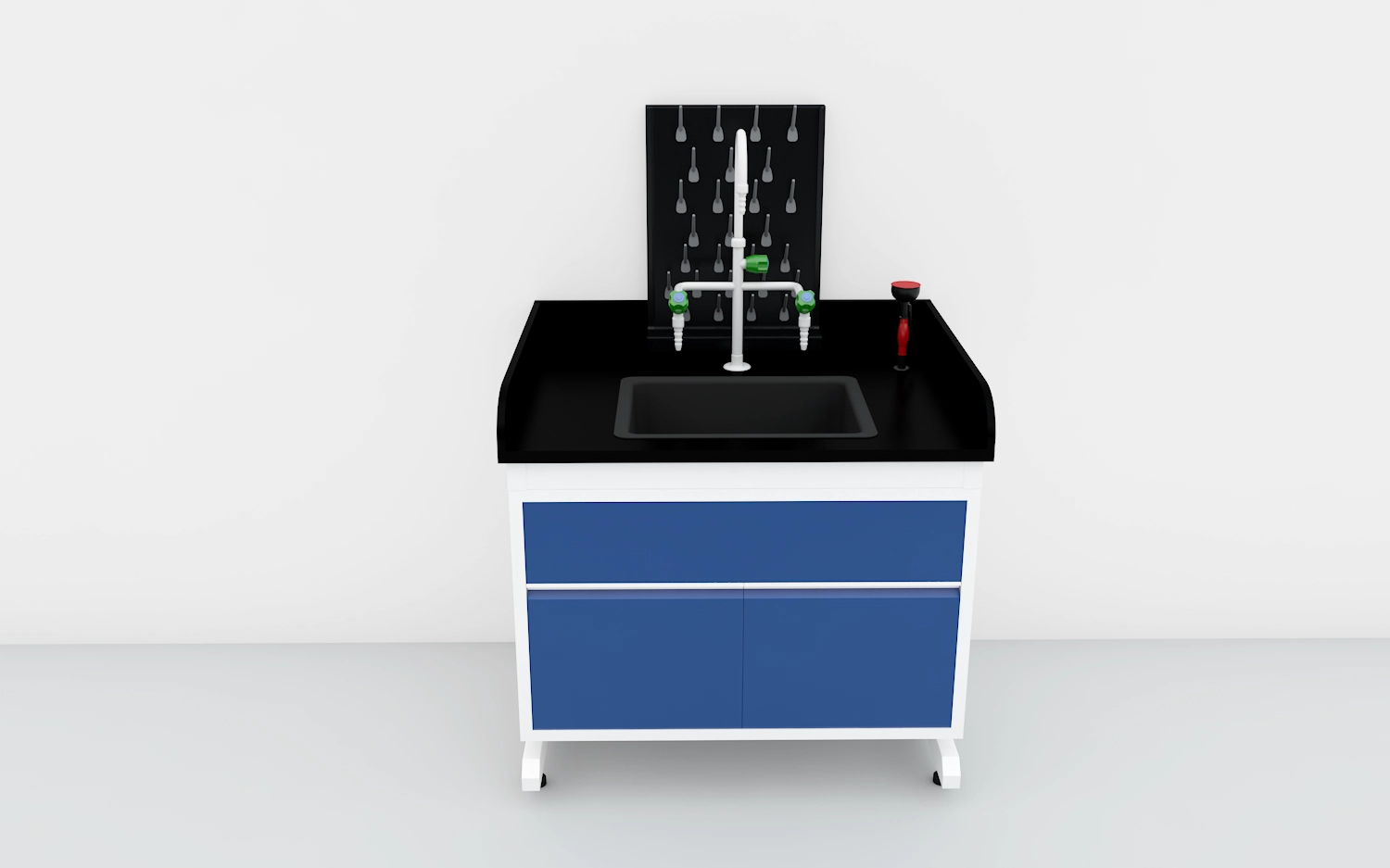
Compliance and Standards to Consider for Lab Sink Installations
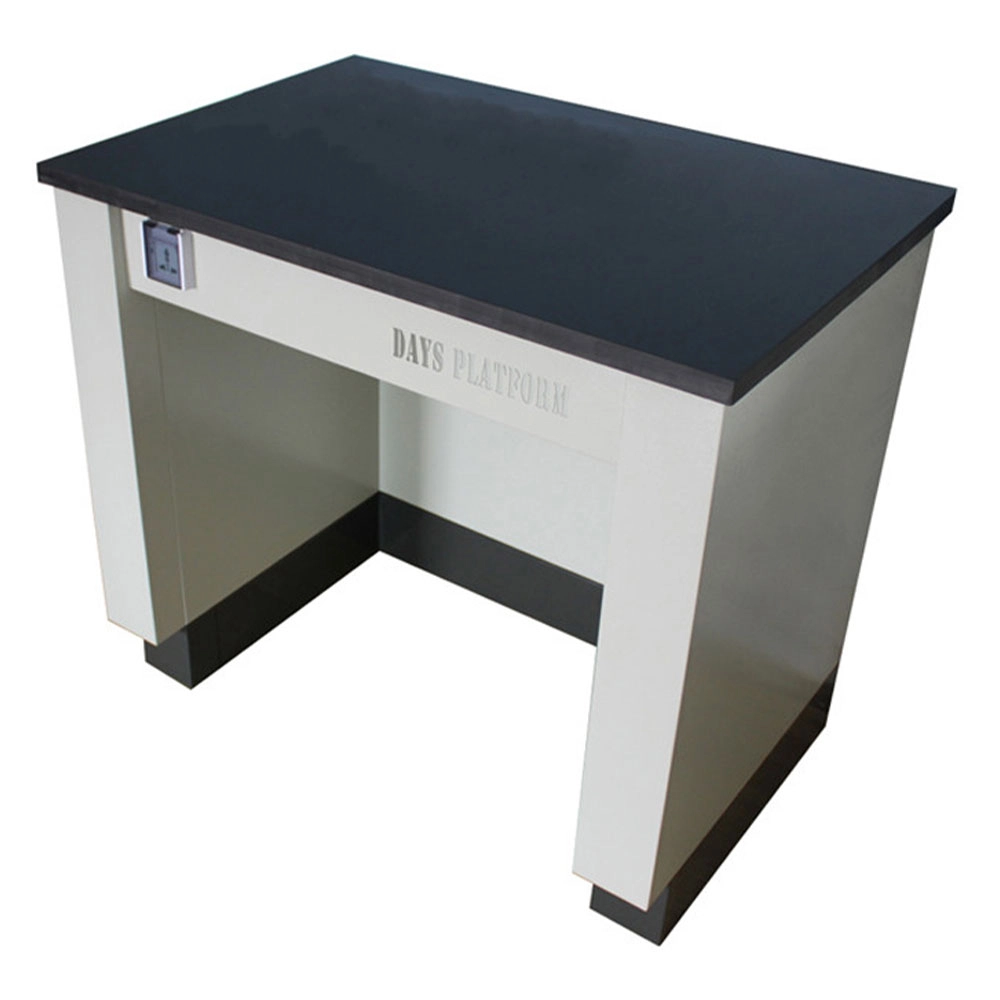
Anti-vibration Tables BT-03: Key specs for laboratory tables
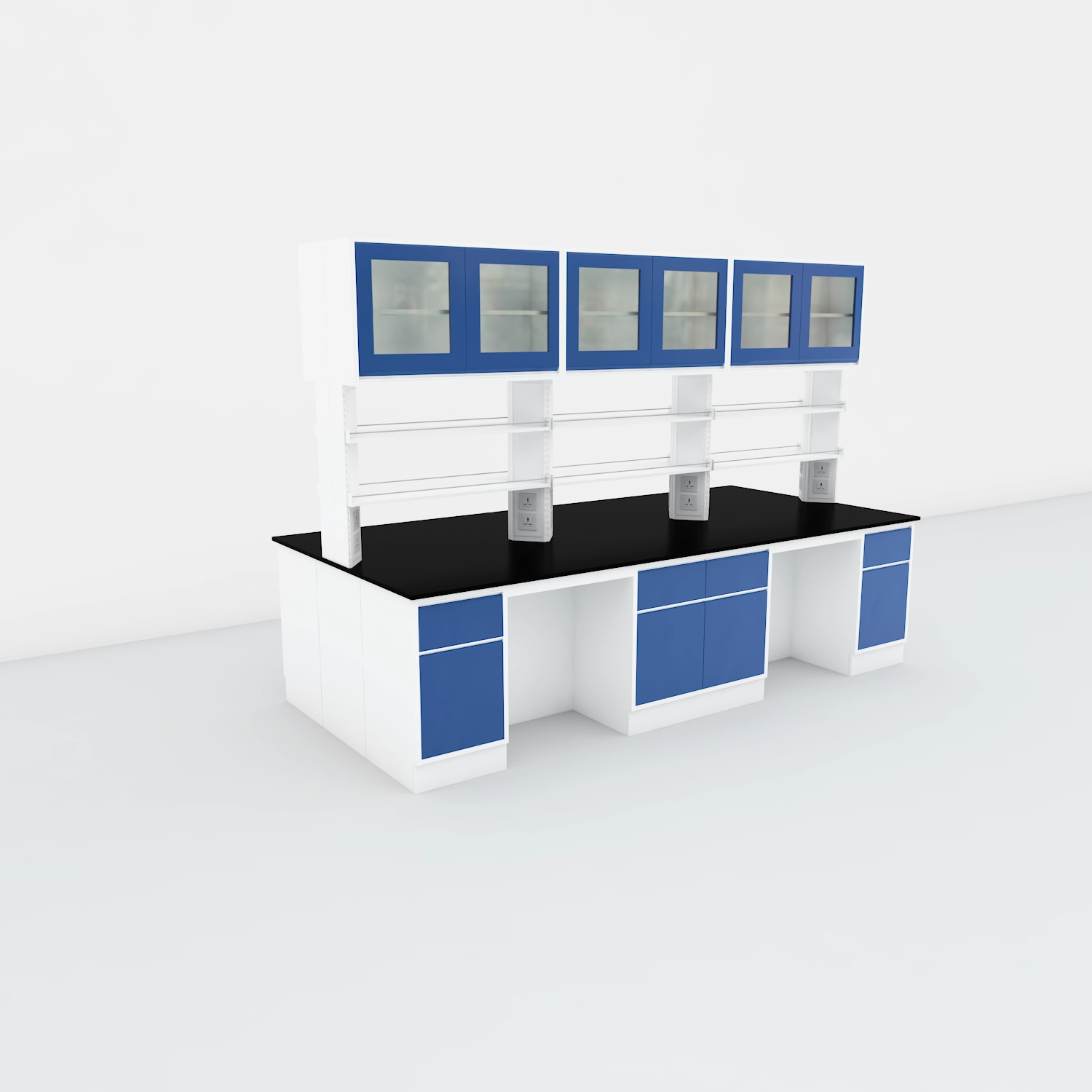
Space Planning Tips with Floor Mounted Lab Benches
Fume Hood Airflow Testing: Critical Checks Buyers Should Require
FAQS
What products does Max Lab offer?
We specialize in laboratory furniture and equipment, including lab benches, fume hoods, storage cabinets, and custom lab solutions.
For Customization
Do you offer custom colors for lab furniture?
Yes, we offer a range of color options for laboratory furniture to match your lab’s aesthetic requirements or branding.
For Company
Can I visit your factory or showroom?
Yes, we welcome visits to our showroom and production facility. Please contact us in advance to schedule an appointment.
Customization
How to calculate the cost of customized services?
Customization services incur additional costs depending on the complexity of the design, material selection and production requirements. We will clearly list all costs at the quote stage to ensure that the client understands all costs.
Are customized services suitable for small laboratories?
Yes, our customized services are suitable for all types of laboratories, including small ones. We are able to provide customized solutions according to the actual needs of the laboratory.
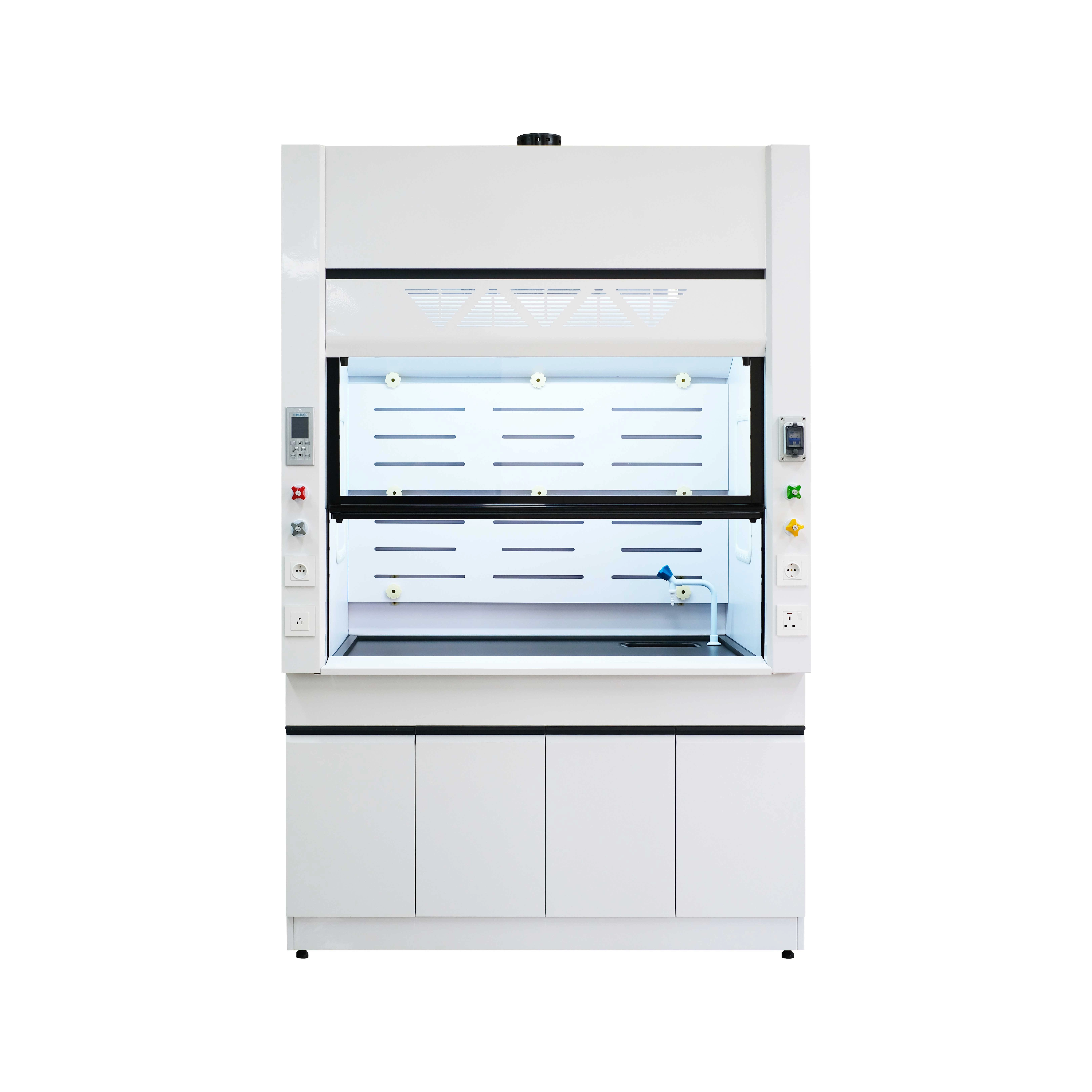
Fume Hood
The fume hood provides safe ventilation to protect against exposure to hazardous or toxic fumes, vapors, or airborne particulate. It is primarily used in laboratory and manufacturing applications to protect the user or environment outside the hood, but can also be used to protect the materials or experiment under the hood.
APPLICATION
Chemistry Lab, physics Lab, biological analysis, pharmaceutical medicine analysis, biological pharmaceutical, plant culture, environmental testing and electronic instrumentation scientific research and so on.

Floor Mounted Lab Bench
Our Floor Mounted Lab Bench is an essential, high-efficiency workspace for laboratories, made from high-quality steel-wood or corrosion-resistant stainless steel materials to ensure exceptional durability and stability. The unique floor-mounted design effectively reduces vibration, optimizes space usage, and provides a safe and tidy laboratory environment.
Customizable storage solutions help organize lab equipment efficiently, while the easy-to-clean surface maintains laboratory hygiene. It is widely suitable for research institutions, educational laboratories, and the chemical and pharmaceutical industries.
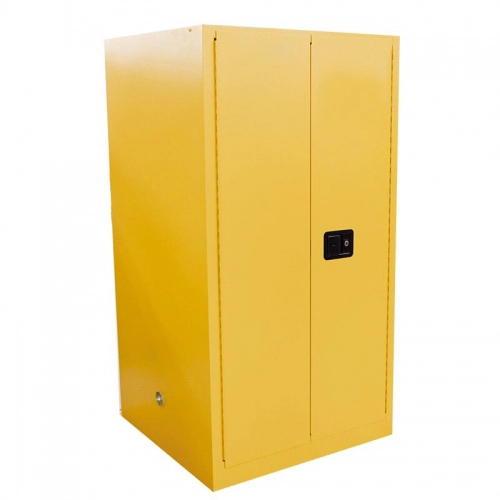
Flammable Storage Cabinet
Safety Cabinets store flammable liquids, corrosives, pesticides and other hazardous materials. All fire-resistant safety cabinets by meet fire codes and regulations for safety storage.
To help protect your people and facility from a potential fire, safety cabinets are engineered to safely contain flammable fuels, solvents, and chemicals. Safety cabinets can not only help everyone store chemicals reasonably, save chemical supplies, but also save human resources, and avoid fires caused by chemicals with the greatest strength.
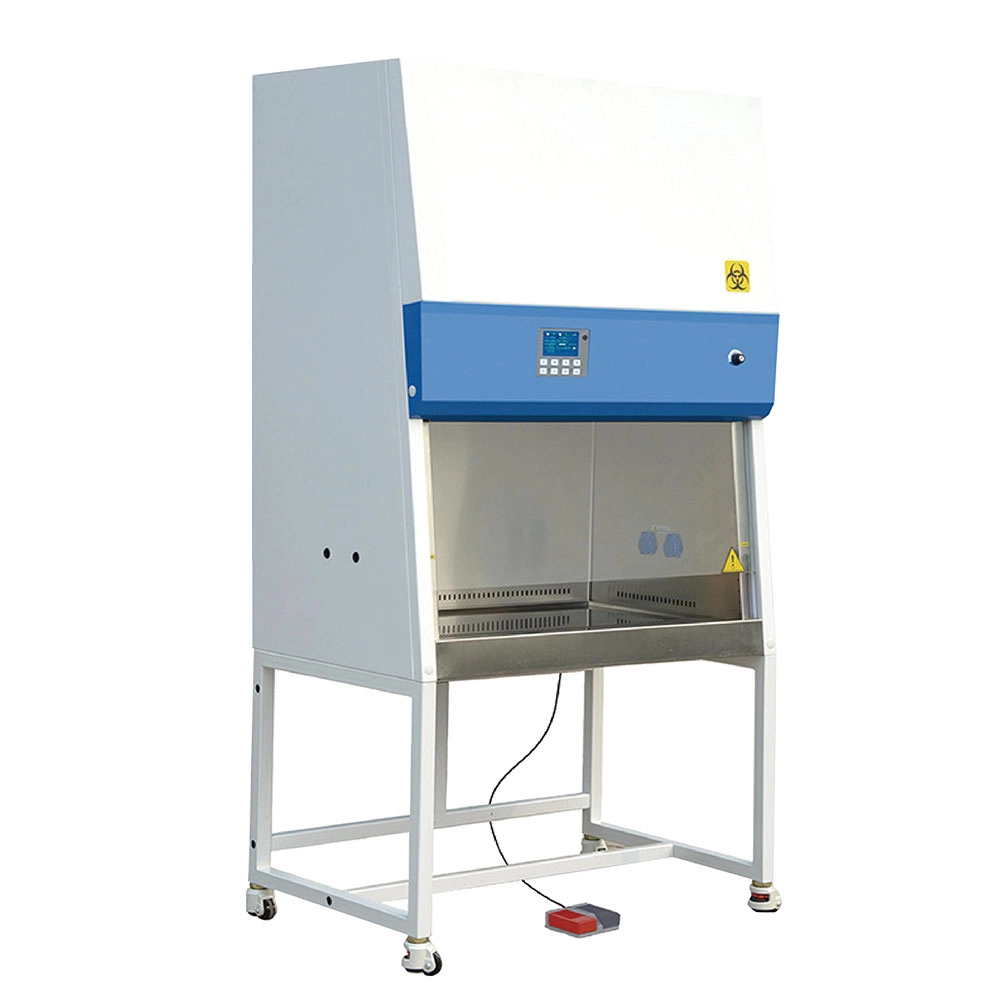
Class II Type A2 Biological Safety Cabinet for Laboratory
The Class II A2 Biological Safety Cabinet is designed to provide superior biosafety and contamination control for laboratories, research facilities, and clinical settings. With 70% air recirculation and 30% air exhaust, this cabinet ensures a safe and efficient work environment while protecting both the user and the samples.
Equipped with advanced features like a HEPA filtration system, motorized front window, and ergonomic design, this cabinet is a must-have for safe and reliable biological research.

 Scan QR Code
MaxLabFurniture
MaxLab Furniture
daihongada
Max Laboratory