
Reduce measurement errors with laboratory table BT-03 solutions
- Reduce measurement errors with laboratory table BT-03 solutions
- Why measurement accuracy in a laboratory table matters
- Understanding common sources of measurement errors in the lab
- How vibrations affect high-precision instruments and measurement results
- Anti-vibration Tables & Balance Tables BT-03 — product overview
- Key BT-03 features that reduce measurement errors
- Design considerations: how BT-03 achieves isolation
- Application scenarios: where BT-03 provides measurable benefits
- Quantifying performance — comparing BT-03 to other laboratory table types
- How to choose the right laboratory table to minimize errors
- Installation, calibration, and maintenance best practices for BT-03 laboratory tables
- Why choose MAXLAB Anti-vibration Tables & Balance Tables BT-03 — brand advantages
- Common questions: FAQ about BT-03 and vibration control for laboratory tables
- Q: Will a BT-03 eliminate all measurement errors?
- Q: Can BT-03 handle heavy instruments or large balances?
- Q: How does pneumatic isolation compare with elastomeric isolation for my lab?
- Q: How often should I service the BT-03?
- Q: Do I need vibration testing before and after installation?
- Contact us / View product
- References and sources
Reduce measurement errors with laboratory table BT-03 solutions
Why measurement accuracy in a laboratory table matters
Measurement errors in laboratories often originate from environmental vibrations and mechanical noise. For many sensitive instruments—analytical balances, atomic force microscopes (AFM), micro-manipulators, high-resolution microscopes—minor vibration can produce significant measurement drift, decreased resolution, or repeated failed experiments. Choosing an appropriate laboratory table with vibration-control capabilities is a practical, cost-effective way to reduce these errors and improve repeatability. This article focuses on Anti-vibration Tables & Balance Tables BT-03 and how they help labs reduce measurement uncertainty.
Understanding common sources of measurement errors in the lab
Measurement errors are commonly introduced by several sources. Identifying these helps you target the correct mitigation strategy with a suitable laboratory table.
- Building and floor vibrations: HVAC systems, elevators, nearby traffic, or building structural resonances.
- Operational equipment: Centrifuges, pumps, compressors, and nearby instrument actuation.
- Acoustic noise: Loud sounds can couple into devices and mounts.
- Internal instrument movement: Moving stages or components that excite the bench.
Even sub-micron displacements matter for high-precision measurements. Addressing these at the support level (the laboratory table) prevents propagation into instruments.
How vibrations affect high-precision instruments and measurement results
Different instruments have different sensitivity profiles. For example, analytical balances are sensitive to air currents and vibrations below 10 Hz; AFM and high-resolution microscopes require isolation from sub-Hz to tens of Hz frequencies. When lab furniture fails to control those frequencies, measurement noise increases, peak shapes distort, and repeatability suffers. A laboratory table designed for vibration damping attenuates these harmful frequencies, improving signal-to-noise ratio and measurement confidence.
Anti-vibration Tables & Balance Tables BT-03 — product overview
Product: Anti-vibration Tables & Balance Tables BT-03
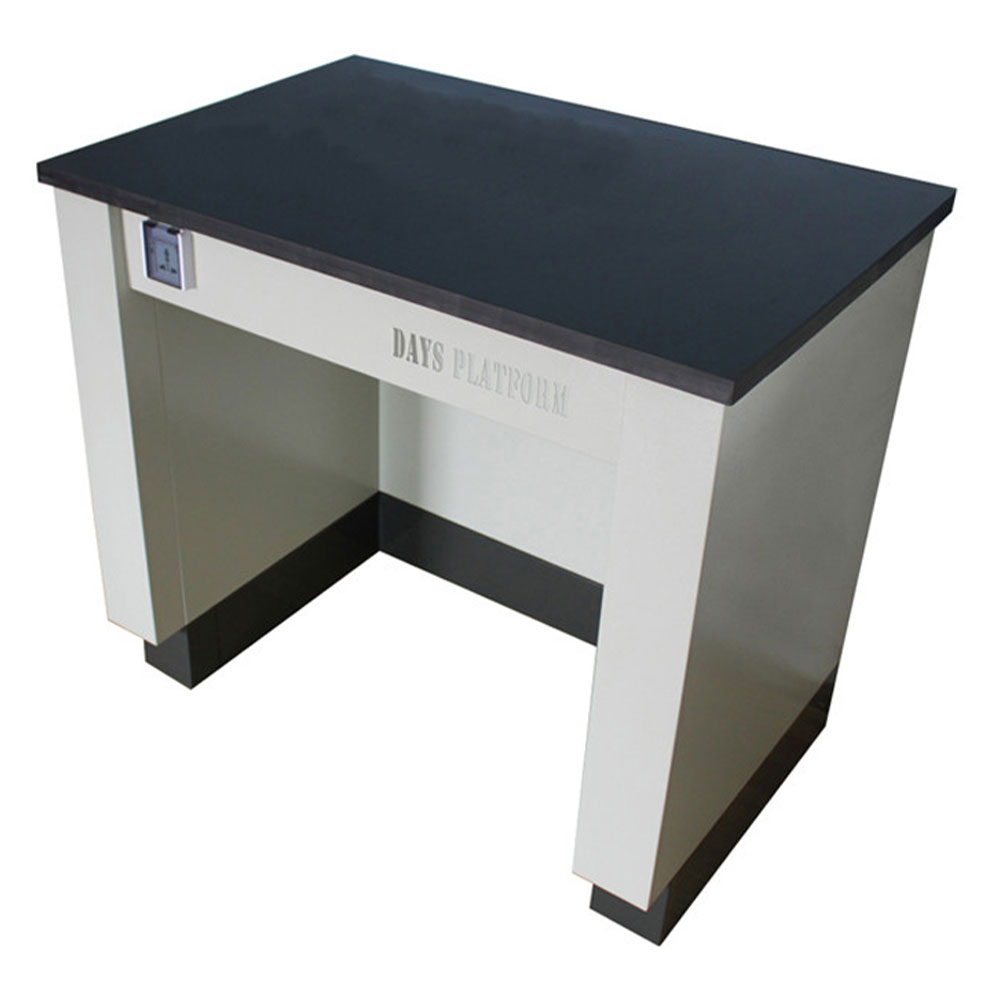
MAXLAB anti-vibration table is specially designed supporting equipment with vibration damping function which based on laboratory high-precision and anti-interference requests. The anti-vibration table is specially designed for micro-manipulation procedures.
The BT-03 combines passive isolation methods and engineering-grade materials suited for a range of precision tasks: weighing, micro-manipulation, microscopy, and other sensitive operations. Its construction focuses on low resonant frequency, high damping, and stable working surface — all critical elements for reducing measurement errors.
Key BT-03 features that reduce measurement errors
The following features of the BT-03 laboratory table are explicitly targeted to reduce measurement error:
- Low-resonance support system — pneumatic or elastomer isolators tuned to provide a low natural frequency and high attenuation above resonance.
- Rigid, flat worktop — a dense top (e.g., granite or composite) reduces internal flex and provides a stable, non-resonant surface for instruments.
- Damping layers — internal dampers dissipate vibrational energy rather than transmitting it to sensitive payloads.
- Adjustable leveling — secure leveling avoids tilt-induced measurement errors on balances and stages.
- Vibration-optimized accessories — balance enclosures, anti-static options, and instrument mounting provisions minimize secondary noise sources.
Design considerations: how BT-03 achieves isolation
The BT-03 addresses vibration in three engineering domains:
- Mass and stiffness: A heavier top with high stiffness pushes structural resonances outside critical measurement bands.
- Isolation: Bearing elements (pneumatic or elastomeric) reduce the transmission of floor and building vibrations to the tabletop.
- Damping: Energy-absorbing materials attenuate resonant peaks and reduce ring-down times after disturbances.
Together these reduce both transmitted vibration amplitude and the duration of transient disturbances—key to lowering measurement error and improving instrument stability.
Application scenarios: where BT-03 provides measurable benefits
Use cases where anti-vibration laboratory tables such as BT-03 deliver clear improvements:
- Analytical balances — improved stabilization time and reduced weighing scatter, improving precision at microgram levels.
- Atomic Force Microscopy (AFM) — reduced image noise and artifact, enabling higher resolution scans.
- High-resolution optical microscopy — eliminates stray motions that blur images or reduce ability to track features.
- Micro-manipulation and microassembly — stable platforms reduce operator error and improve yield for fine operations.
For labs performing these tasks, investing in a proper laboratory table is often more cost-effective than trying to mitigate vibration at each instrument individually.
Quantifying performance — comparing BT-03 to other laboratory table types
Performance is often judged by how much transmitted vibration is reduced across frequency bands relevant to the instrument. The table below provides a practical, qualitative comparison between three support options.
| Metric / Table Type | Standard Lab Table (steel/wood) | BT-03 Anti-vibration Table | Active Vibration Isolator (electronic) |
|---|---|---|---|
| Low-frequency isolation (<5 Hz) | Low | Medium–High | High |
| Mid-frequency attenuation (5–100 Hz) | Low | High | Very High |
| Suitability for balances | Poor | Excellent | Excellent |
| Maintenance complexity | Low | Low–Medium | High |
| Typical cost | Low | Medium | High |
Notes: This comparison is qualitative. For many labs, the BT-03 represents an ideal trade-off: effective attenuation where it matters for balances and microscopes, relatively low maintenance, and moderate cost. Sources: summarized engineering experience and vibration control guidance (see references).
How to choose the right laboratory table to minimize errors
When selecting a laboratory table for reduced measurement errors, follow these steps:
- Characterize vibration environment: Use a simple accelerometer or work with facility engineers to identify dominant frequency bands.
- Match isolation to instrument sensitivity: Instruments sensitive below ~10 Hz need low-resonance isolation (pneumatic or tuned elastomers).
- Consider mass and top material: Heavy, stiff tops (granite or composite) work well for balance and imaging applications.
- Allow for leveling and mounting: Adjustable feet and secure mounting points reduce tilt and drift.
- Budget for accessories: Balance enclosures, anti-static options, and instrument-specific mounts can further reduce measurement error.
The BT-03 is typically recommended where balances and micro-manipulation tasks are primary operations because its design balances performance and cost for these use cases.
Installation, calibration, and maintenance best practices for BT-03 laboratory tables
Proper installation and upkeep maximize BT-03 performance and prolong equipment life:
- Placement: Avoid placing the table directly next to heavy vibration sources (pumps, compressors). If unavoidable, add intermediate isolation or distance.
- Leveling: Use the provided leveling screws or bolts to ensure the top is flat—imbalances introduce measurement error.
- Weight distribution: Place heavy items near the center and avoid overloading the table beyond specifications.
- Periodic checks: Inspect isolators for leaks (if pneumatic) or aging (if elastomeric). Replace components at manufacturer-recommended intervals.
- Environmental control: Control room temperature and airflow; drafts can affect balances even on anti-vibration tables.
Why choose MAXLAB Anti-vibration Tables & Balance Tables BT-03 — brand advantages
MAXLAB has designed the BT-03 around the real needs of precision labs. Brand advantages include:
- Application-focused engineering — BT-03 is tuned for micro-manipulation and high-precision weighing operations.
- Quality materials and manufacturing — engineered tops and damping systems that remain stable over time.
- Support and customization — options for balance enclosures, cable management, and special load capacities.
- Practical ROI — effective error reduction with lower long-term maintenance and cost compared to many active systems.
Combined, these advantages make BT-03 a practical choice when the goal is to reduce measurement errors without the complexity and cost of full active isolation.
Common questions: FAQ about BT-03 and vibration control for laboratory tables
Q: Will a BT-03 eliminate all measurement errors?
A: No single measure eliminates all errors. Measurement error arises from many sources (operator technique, temperature, humidity, air currents, electronic noise). BT-03 significantly reduces vibration-related errors and often produces the largest measurable improvement for balances and sensitive microscopy, but it should be combined with good environmental control and instrument best practices.
Q: Can BT-03 handle heavy instruments or large balances?
A: BT-03 models are specified with load ratings. Always confirm the required load capacity and recommended payload distribution. Overloading can degrade isolation performance and shorten component life.
Q: How does pneumatic isolation compare with elastomeric isolation for my lab?
A: Pneumatic isolators typically offer lower natural frequencies and better isolation at low frequencies, which is beneficial for balances and imaging sensitive to sub-10 Hz vibrations. Elastomeric isolators are simpler and lower maintenance but may not isolate as effectively at the lowest frequencies. Choose based on instrument sensitivity and maintenance preferences.
Q: How often should I service the BT-03?
A: Maintenance intervals depend on usage and isolator type. Pneumatic systems require periodic checks for leaks and pressure stability. Elastomeric parts should be inspected for cracking or hardening. Follow MAXLAB recommendations for periodic inspection—typically annual checks, with more frequent reviews in heavy-use environments.
Q: Do I need vibration testing before and after installation?
A: Baseline testing is strongly recommended. Measuring vibration levels before installation helps you confirm the improvement and ensure the table is performing to expectations. Simple handheld accelerometers or professional vibration surveys can quantify changes in vibration spectra.
Contact us / View product
Once you’ve grasped the importance of reducing errors, it’s time to dive into the key specs for laboratory tables. The Anti-vibration Tables BT-03 offer several technical features that make them ideal for accurate and stable measurements in the lab. Knowing these specifications will help you determine if this table meets your needs.To evaluate whether Anti-vibration Tables & Balance Tables BT-03 are right for your lab, contact our sales team for a consultation, product datasheet, or on-site vibration assessment. View product specifications, request a quote, or schedule a demo by contacting MAXLAB sales: sales@maxlab.example or visit our product page for BT-03.
References and sources
The guidance in this article is based on industry best practices and vibration-control literature, including:
- NIST — general guidance on environmental control for laboratories and instrument isolation.
- ISO and engineering references on vibration isolation for laboratories and instrumentation.
- Peer-reviewed literature on AFM and microscopy vibration requirements and on weighing stability in analytical balances.
For detailed technical validation and test data for the BT-03, please request the MAXLAB performance datasheet or on-site measurement report.
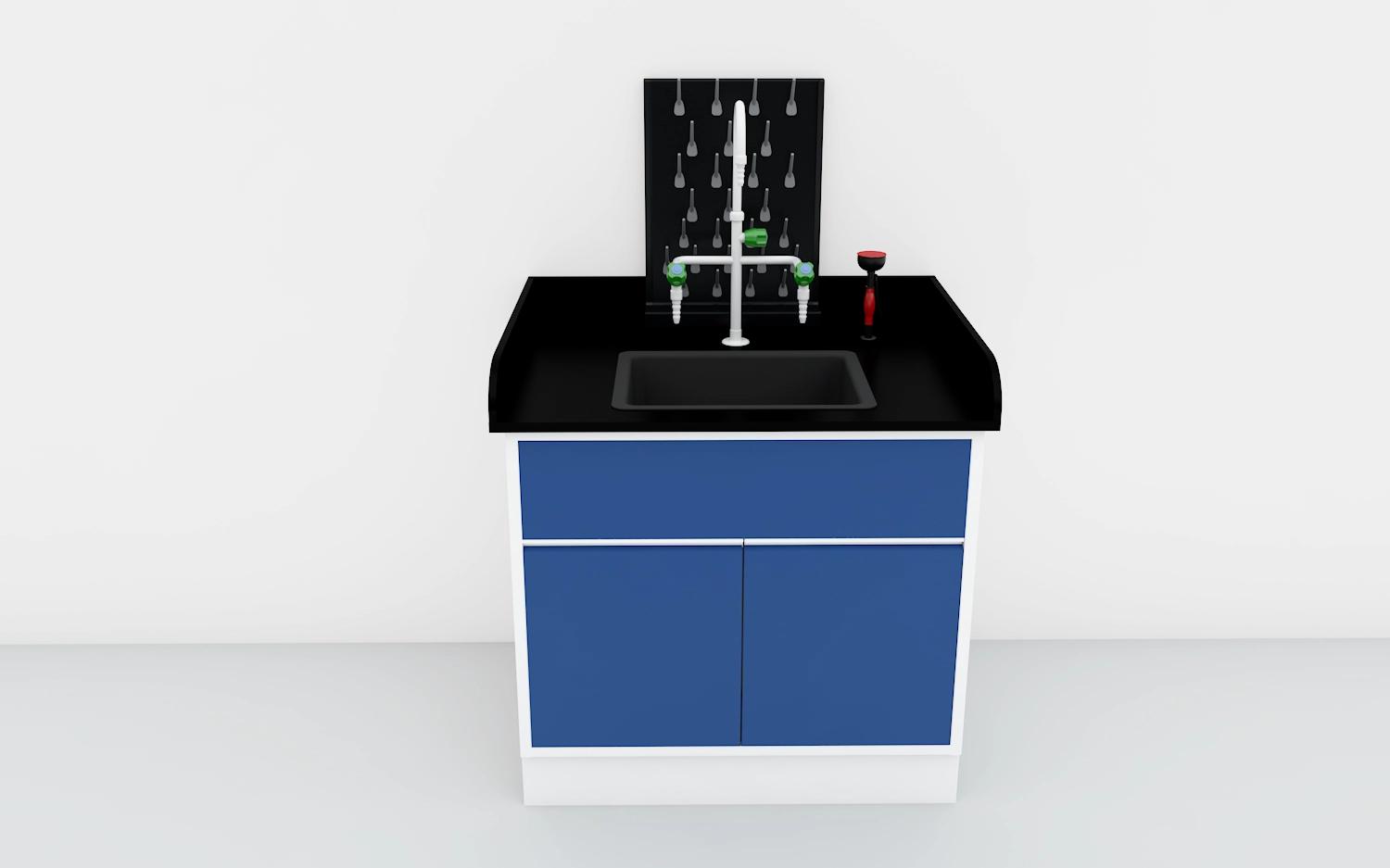
Lab Sink Cabinet Buying Guide: Materials, Sizes, and Features

How to Choose the Right Lab Benches for Your Laboratory
Ergonomic Principles in Lab Furniture Design
Top Lab Furniture Design Trends for Modern Laboratories
For Logistics
How are shipping costs calculated?
Shipping costs are calculated based on the size, weight, and destination of your order. We provide a detailed shipping quote during the ordering process.
Do you offer express shipping options?
Yes, we offer express shipping for urgent orders. Please contact our sales team to inquire about availability and additional costs.
For Customization
What is the process for requesting a custom quote?
To request a custom quote, please provide us with details about your lab’s size, needs, and desired specifications.
For After-Sales Support
Why choose your company?
We have been engaged in the manufacturing of various packing machines professionally over 15 years, and we can provide better after-sales service.
Customization
How to calculate the cost of customized services?
Customization services incur additional costs depending on the complexity of the design, material selection and production requirements. We will clearly list all costs at the quote stage to ensure that the client understands all costs.
Floor Mounted Lab Bench
Our Floor Mounted Lab Bench is an essential, high-efficiency workspace for laboratories, made from high-quality steel-wood or corrosion-resistant stainless steel materials to ensure exceptional durability and stability. The unique floor-mounted design effectively reduces vibration, optimizes space usage, and provides a safe and tidy laboratory environment.
Customizable storage solutions help organize lab equipment efficiently, while the easy-to-clean surface maintains laboratory hygiene. It is widely suitable for research institutions, educational laboratories, and the chemical and pharmaceutical industries.
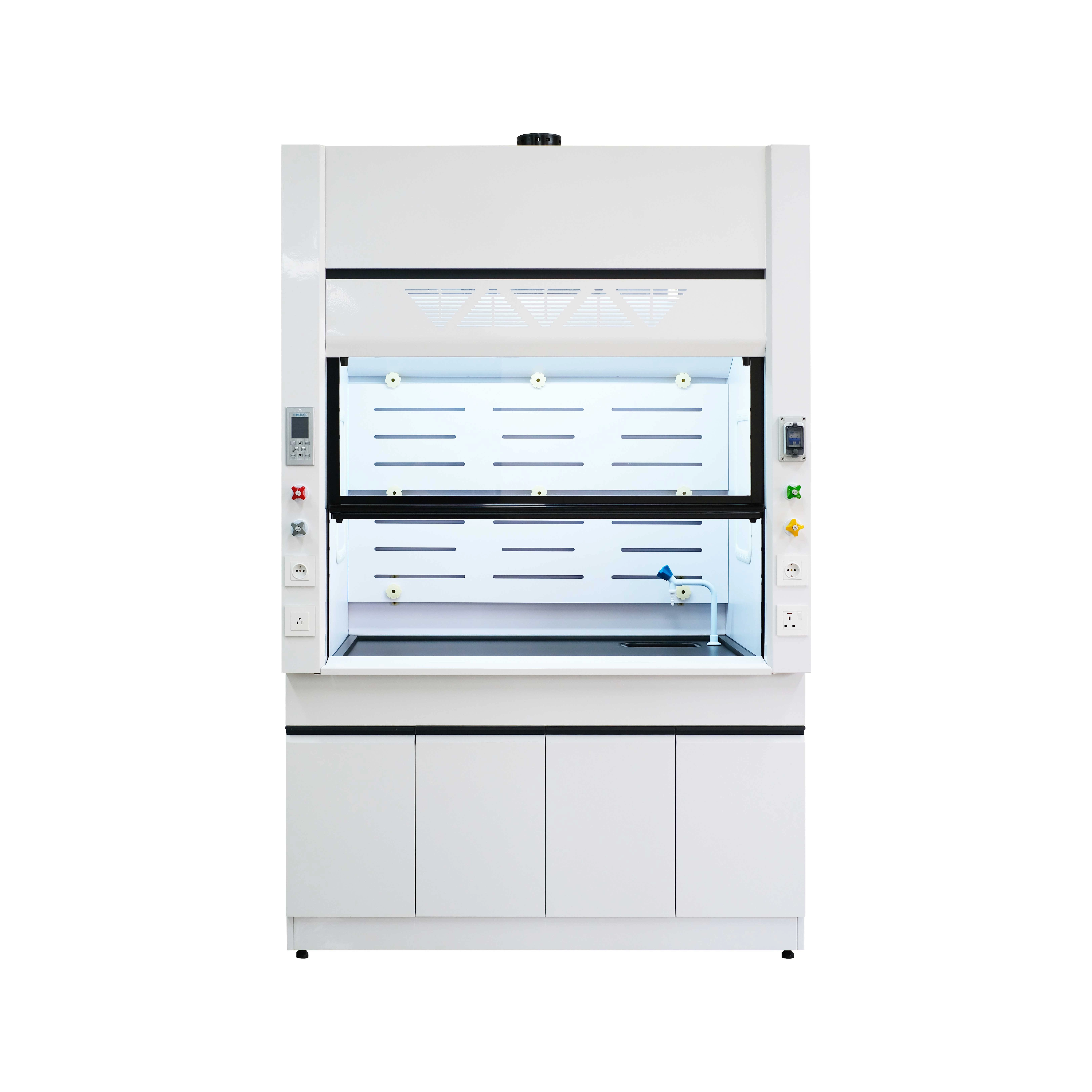
Fume Hood
The fume hood provides safe ventilation to protect against exposure to hazardous or toxic fumes, vapors, or airborne particulate. It is primarily used in laboratory and manufacturing applications to protect the user or environment outside the hood, but can also be used to protect the materials or experiment under the hood.
APPLICATION
Chemistry Lab, physics Lab, biological analysis, pharmaceutical medicine analysis, biological pharmaceutical, plant culture, environmental testing and electronic instrumentation scientific research and so on.
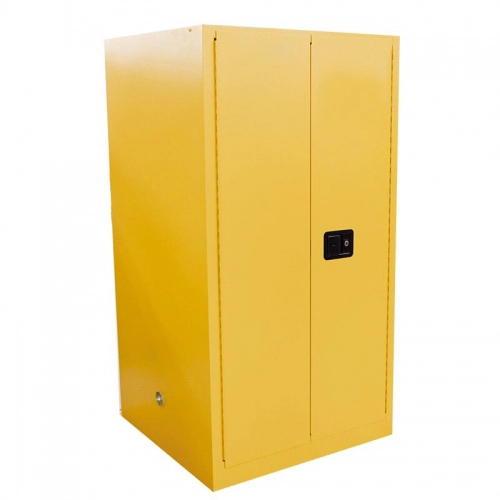
Flammable Storage Cabinet
Safety Cabinets store flammable liquids, corrosives, pesticides and other hazardous materials. All fire-resistant safety cabinets by meet fire codes and regulations for safety storage.
To help protect your people and facility from a potential fire, safety cabinets are engineered to safely contain flammable fuels, solvents, and chemicals. Safety cabinets can not only help everyone store chemicals reasonably, save chemical supplies, but also save human resources, and avoid fires caused by chemicals with the greatest strength.
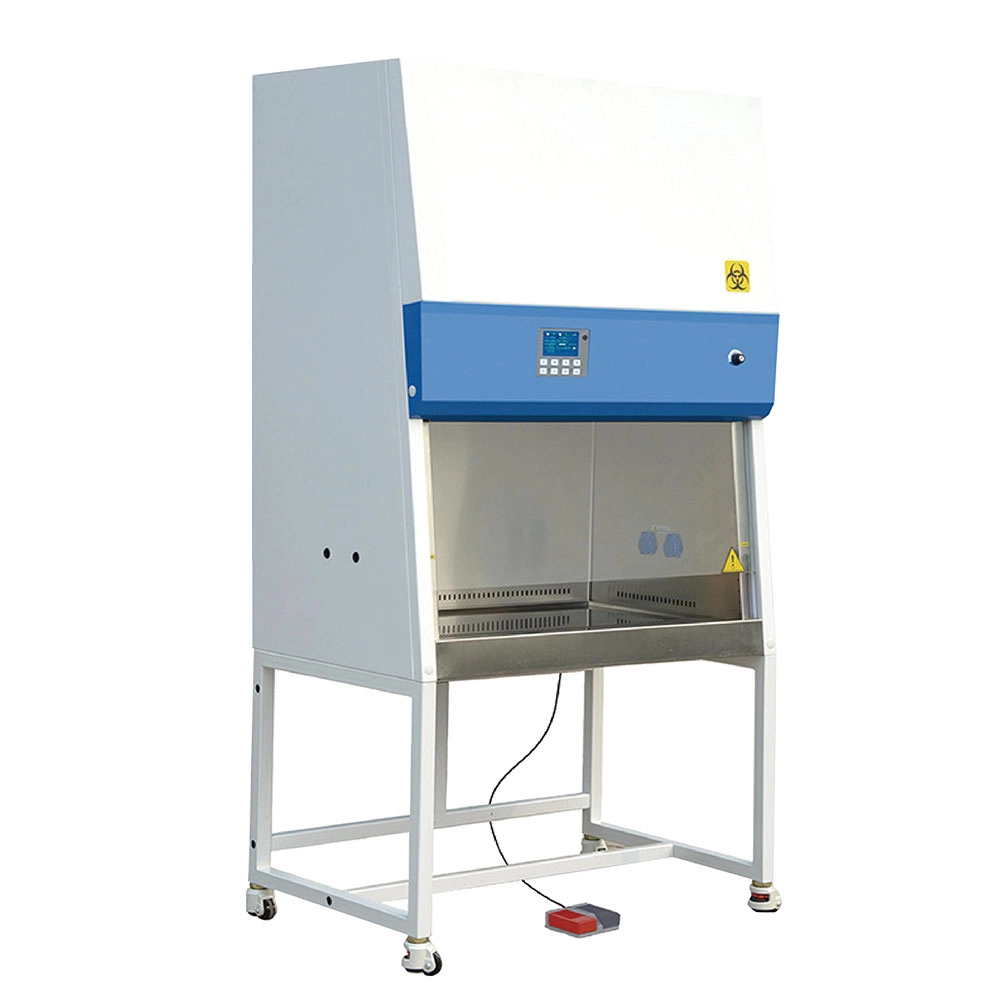
Class II Type A2 Biological Safety Cabinet for Laboratory
The Class II A2 Biological Safety Cabinet is designed to provide superior biosafety and contamination control for laboratories, research facilities, and clinical settings. With 70% air recirculation and 30% air exhaust, this cabinet ensures a safe and efficient work environment while protecting both the user and the samples.
Equipped with advanced features like a HEPA filtration system, motorized front window, and ergonomic design, this cabinet is a must-have for safe and reliable biological research.

 Scan QR Code
MaxLabFurniture
MaxLab Furniture
daihongada
Max Laboratory