
Best Materials for Lab Sink Cabinets: Chemical Resistance

- Best Materials for Lab Sink Cabinets: Chemical Resistance
- Why chemical resistance matters for lab cabinets
- Product overview: Lab Sink Cabinet
- How to read chemical resistance information for lab cabinets
- Materials commonly used for lab cabinets and their chemical resistance
- 1. Epoxy Resin (countertops and sink surrounds)
- 2. Phenolic Resin (countertops and cabinetry tops)
- 3. Stainless Steel (304 and 316: sinks, cabinets, benchtops)
- 4. Polypropylene (PP) and High-Density Polyethylene (HDPE)
- 5. Fiberglass-Reinforced Plastic (FRP)
- 6. Solid Surface and Acrylics (limited use)
- Quick comparison table: chemical resistance summary
- Practical selection criteria for Lab Sink Cabinet materials
- Maintenance, cleaning and repair tips to extend cabinet life
- Matching the Lab Sink Cabinet to your lab type
- Brand advantages: why choose our Lab Sink Cabinet
- FAQ — Frequently asked questions about lab cabinets and chemical resistance
- Q: Which material is best for a general chemistry teaching lab?
- Q: Are stainless steel cabinets safe for acid storage?
- Q: Can epoxy countertops handle organic solvents like acetone?
- Q: How should I clean and maintain a polypropylene sink?
- Q: Do you provide custom configurations for specific chemical workflows?
- Contact sales / View product
- Authoritative references and further reading

Best Materials for Lab Sink Cabinets: Chemical Resistance
Why chemical resistance matters for lab cabinets
Choosing the right materials for lab cabinets is critical to the safety, longevity and functionality of any laboratory. Lab cabinets often support sinks, faucets and storage for chemicals used daily; poor material selection can lead to corrosion, staining, structural failure, costly downtime and safety hazards. This guide focuses on chemical resistance — a primary selection criterion for lab furniture — and explains which materials work best in different laboratory settings, including teaching labs, chemistry labs, biopharmaceutical facilities and testing departments. Material performance should align with daily operations, which makes lab sink cabinet size and layout tips for efficient workflows an important consideration.
Product overview: Lab Sink Cabinet
The Lab Sink Cabinet is designed for chemistry labs, teaching labs, biopharmaceutical facilities and testing departments, and can be seamlessly integrated into complete laboratory bench systems. The product offers C-type, floor-mounted and H-type structures, combined with a chemical-resistant lab sink and lab faucet to meet cleaning, rinsing, drainage and temporary storage needs.
How to read chemical resistance information for lab cabinets
Chemical resistance is usually described qualitatively (e.g., excellent, good, fair, poor) for broad families of chemicals: acids, bases (alkalis), organic solvents, oxidizers and polar solvents. When planning lab furniture, evaluate the specific chemicals you will store or use near sinks (concentration and temperature matter), and select materials rated for those conditions. Also consider mechanical wear, thermal exposure and ease of cleaning, which affect long-term performance.
Materials commonly used for lab cabinets and their chemical resistance
Below are the most common materials used in lab cabinets and sinks. Each entry lists typical chemical resistance, pros, cons and recommended lab applications.
1. Epoxy Resin (countertops and sink surrounds)
Overview: Epoxy resin countertops are widely used in chemistry labs because of strong resistance to many acids and bases, excellent mechanical strength and heat tolerance compared to standard laminates.
Chemical resistance: Excellent to good against most inorganic acids and alkalis at room temperature; generally good against dilute organic solvents but can be attacked by strong organic solvents and prolonged exposure to ketones or chlorinated solvents.
Pros: High hardness, heat resistance, impact resistance, long lifespan when properly fabricated and sealed. Good for bench tops and sinks where chemical splashes occur.
Cons: Can be scratched by abrasive wear; some solvents (e.g., methylene chloride, acetone under prolonged contact) can soften or craze epoxy. Repair requires experienced fabricators.
Best for: Teaching labs, chemical synthesis benches, environments with mixed use but limited aggressive solvent exposure.
2. Phenolic Resin (countertops and cabinetry tops)
Overview: Phenolic-resin-backed panels and phenolic countertops are dense, non-porous and have excellent dimensional stability.
Chemical resistance: Excellent to good for acids, bases and many solvents; phenolic is notably resistant to aqueous solutions and many organics, though strong oxidizers and certain solvents can affect it.
Pros: High compressive strength, excellent moisture resistance, fire-retardant versions available, relatively low odor during curing.
Cons: More costly than standard laminates; edges require proper sealing to prevent delamination.
Best for: Industrial chemistry benches, wet labs, and locations where solvents are used but not in extreme concentrations or temperatures.
3. Stainless Steel (304 and 316: sinks, cabinets, benchtops)
Overview: Stainless steel is a common choice for sinks and cabinetry in labs that handle corrosive liquids, biological waste and situations requiring frequent cleaning and sterilization.
Chemical resistance: Very good to excellent for many acids and aqueous solutions; 316 stainless steel has superior resistance to chlorides and halides compared to 304. Organic solvents generally do not attack stainless steel, but strong oxidizers and concentrated chlorides can promote pitting or crevice corrosion over time.
Pros: Outstanding hygiene (non-porous), easy to clean and autoclave-compatible surfaces; robust mechanical properties and fire resistance.
Cons: Susceptible to galvanic corrosion when in contact with dissimilar metals; surface scratching; higher cost for 316 grade. Not ideal in environments with strong halogenated acids at elevated temperatures.
Best for: Clinical labs, biopharmaceutical facilities, wash stations and labs requiring frequent sterilization and heavy-duty use.
4. Polypropylene (PP) and High-Density Polyethylene (HDPE)
Overview: Thermoplastics like polypropylene and HDPE are used for sinks, cabinets and fume hood liners where high chemical resistance to many acids and bases is required.
Chemical resistance: Excellent to very good against strong acids and bases, many salts and some organic solvents (PP generally resists many organics; HDPE is better for some chlorinated solvents). Both are poor at withstanding strong oxidizers (concentrated nitric acid) and some chlorinated hydrocarbons at elevated temperatures.
Pros: Lightweight, highly chemical resistant, easy to fabricate and install, low cost. They resist staining and most chemical attack at room temperature.
Cons: Lower heat resistance (softening at higher temperatures), less rigid than metals or resins; may warp under heavy loads or concentrated heat.
Best for: Acid/base storage areas, schools, and labs dealing primarily with aqueous corrosives rather than hot organic solvents.
5. Fiberglass-Reinforced Plastic (FRP)
Overview: FRP offers a corrosion-resistant, lightweight option for cabinets and sink housings. Properly formulated resins provide excellent resistance to many chemicals.
Chemical resistance: Good to excellent against many acids, alkalis and solvents depending on resin type (vinyl ester resins improve resistance to corrosives). Performance varies with resin formulation and filler.
Pros: Custom shapes, good durability, moisture resistance and ease of repair for small damages.
Cons: Long-term exposure to some solvents may degrade the resin matrix; UV exposure can affect color/finish. Manufacturing quality varies widely.
Best for: Areas needing corrosion-resistant, lightweight cabinetry where custom shapes are beneficial.
6. Solid Surface and Acrylics (limited use)
Overview: Solid surface materials (e.g., Corian-like) and acrylics are sometimes used for light-duty lab benches and sinks.
Chemical resistance: Fair to good for dilute chemicals and mild solvents; poor for strong solvents and concentrated acids/bases. Not recommended for heavy chemical exposure.
Pros: Seamless appearance, easy to repair and polish.
Cons: Limited chemical resistance and lower heat tolerance compared to epoxy or stainless steel.
Best for: Demonstration areas, administrative lab surfaces, or non-reactive environments.
Quick comparison table: chemical resistance summary
| Material | Acids (dilute/concentrated) | Bases (alkalis) | Organic Solvents | Oxidizers | Typical lab use |
|---|---|---|---|---|---|
| Epoxy resin | Excellent (dilute), Good (some concentrated) | Excellent | Good (caution with ketones/chlorinated solvents) | Fair (strong oxidizers may damage) | Benchtops, sinks in general chemistry labs |
| Phenolic resin | Excellent | Excellent | Good | Fair | Wet labs, teaching labs |
| Stainless steel (304/316) | Good to Excellent (316 better) | Good to Excellent | Excellent | Fair to Poor (strong oxidizers and chlorides) | Sinks, clinical labs, biopharma |
| Polypropylene (PP) / HDPE | Excellent | Excellent | Good (varies by solvent) | Poor (strong oxidizers) | Storage cabinets, corrosive wash stations |
| FRP | Good | Good | Good (resin dependent) | Fair | Custom cabinets, corrosive environments |
| Solid surface / Acrylic | Fair | Fair | Poor to Fair | Poor | Non-chemical bench areas |
Practical selection criteria for Lab Sink Cabinet materials
When choosing materials for a Lab Sink Cabinet, evaluate these factors:
- Chemicals used and their concentrations — identify the most aggressive reagents you expect near sinks and select materials rated for those chemicals.
- Temperature exposure — hot reagents and sterilization processes can change material resistance.
- Mechanical load and abrasion — heavy equipment and frequent use may favor stainless steel or epoxy.
- Hygiene and cleanability — bio labs often require non-porous, autoclave-tolerant surfaces (stainless steel preferred).
- Cost and lifecycle — consider total cost of ownership, including maintenance and replacement intervals.
- Compatibility with sinks and faucets — ensure the cabinet material pairs well with the sink material to avoid galvanic or chemical interactions.
Maintenance, cleaning and repair tips to extend cabinet life
Regular maintenance preserves chemical resistance and appearance. Tips:
- Wipe spills immediately with appropriate neutralizing agents if required; prolonged contact accelerates damage.
- Use soft, non-abrasive cleaners compatible with the cabinet material; avoid harsh solvents on epoxy or phenolic surfaces.
- Inspect seals and edging frequently—most delamination issues begin at poorly sealed edges.
- For stainless steel, passivation and regular polishing help prevent pitting and crevice corrosion.
- Replace or repair scratches and gouges promptly in thermoplastics to prevent crack propagation.
Matching the Lab Sink Cabinet to your lab type
Recommendations by lab environment:
- Teaching labs: Epoxy resin or phenolic countertops with PP or HDPE cabinets — balance robustness with cost.
- Chemistry research labs: Epoxy countertops and stainless steel or FRP cabinets near sinks, with dedicated solvent-safe cabinets for flammables.
- Biopharma/clinical labs: Stainless steel sinks and cabinets or epoxy with stainless trim for hygiene and sterilization.
- Corrosive process labs: Use PP/HDPE, FRP with specialty resins, or 316 stainless steel depending on specific chemicals and temperatures.
Brand advantages: why choose our Lab Sink Cabinet
Our Lab Sink Cabinet line is engineered with chemical resistance and modular integration in mind. Key advantages:
- Multiple structural configurations (C-type, floor-mounted and H-type) to match bench layouts and workflows.
- Options for epoxy, phenolic, stainless and PP/HDPE sinks and surfaces to suit specific chemical profiles.
- Factory-sealed edges and integrated drainage systems to reduce leak and delamination risk.
- Quality-tested materials for durability, ease of maintenance and compliance with common lab safety standards.
- Customizable storage and ventilation solutions to separate incompatible chemistries safely.
FAQ — Frequently asked questions about lab cabinets and chemical resistance
Q: Which material is best for a general chemistry teaching lab?
A: Epoxy resin top with phenolic or PP cabinets provides a good balance of chemical resistance, durability and cost for teaching labs handling acids, bases and common solvents at room temperature.
Q: Are stainless steel cabinets safe for acid storage?
A: Stainless steel is generally resistant to many acids, but concentrated halogen-containing acids and oxidizers can cause pitting, especially in 304 stainless. For halides, 316 stainless steel performs better. For long-term or high-temperature exposure, consider PP/HDPE or specialty-lined cabinets.
Q: Can epoxy countertops handle organic solvents like acetone?
A: Epoxy resins resist many solvents, but prolonged contact with aggressive solvents such as acetone, methylene chloride or concentrated ketones can soften or craze epoxy. Use solvent-safe trays, secondary containment and rinse spills promptly.
Q: How should I clean and maintain a polypropylene sink?
A: Clean PP sinks with mild detergent, warm water and non-abrasive cloths. Avoid prolonged contact with strong oxidizers and chlorinated solvents. Inspect for stress cracking and replace if structural damage appears.
Q: Do you provide custom configurations for specific chemical workflows?
A: Yes. Our Lab Sink Cabinet systems can be customized in materials, sink/faucet types, and internal storage to segregate incompatible chemicals and support specific lab protocols.
Contact sales / View product
If you need help selecting the right Lab Sink Cabinet configuration for your facility, contact our sales team or view product specifications and customization options. Our experts can recommend materials and layouts based on your chemical inventory and lab workflows to ensure safety, compliance and durability.
Authoritative references and further reading
Below are reputable sources for material properties and laboratory safety:
- Epoxy: https://en.wikipedia.org/wiki/Epoxy
- Phenolic resin: https://en.wikipedia.org/wiki/Phenol-formaldehyde_resin
- Stainless steel: https://en.wikipedia.org/wiki/Stainless_steel
- Polypropylene: https://en.wikipedia.org/wiki/Polypropylene
- Fiberglass-reinforced plastic (FRP): https://en.wikipedia.org/wiki/Fiberglass-reinforced_plastic
- OSHA Laboratory Safety: https://www.osha.gov/laboratory
- General chemical resistance considerations (overview): https://www.engineeringtoolbox.com/chemical-resistance-materials-d_2025.
Fume Hood Vendor Selection Checklist for Procurement
Top 10 Lab Benches Manufacturers and Supplier Brands in 2026
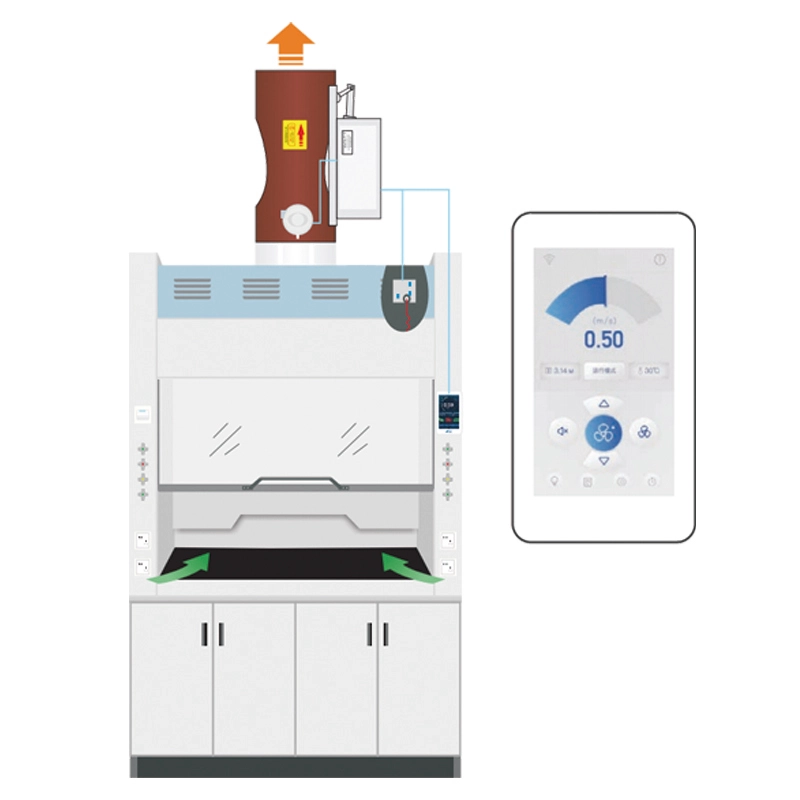
Variable Air Volume Fume Hood Features That Buyers Prioritize
6 Tips to Select the Right Laboratory Furniture
For Customization
Can I make changes to my order once it has been placed?
We offer limited flexibility to make changes to your order after it has been placed. Contact our sales team as soon as possible if you need to make modifications.
Do you offer custom branding for laboratory furniture?
Yes, we can incorporate custom logos, colors, and branding into your lab furniture to make it unique to your organization.
What is the process for requesting a custom quote?
To request a custom quote, please provide us with details about your lab’s size, needs, and desired specifications.
For After-Sales Support
What do I do if I am not satisfied with my purchase?
We strive to ensure customer satisfaction. If you are not happy with your purchase, please contact us, and we will do our best to resolve any concerns.
Customization
How do I start a customized service?
Please contact our sales or technical support team for an initial enquiry. We will provide detailed customized recommendations and quotes according to your needs.

Floor Mounted Lab Bench
Our Floor Mounted Lab Bench is an essential, high-efficiency workspace for laboratories, made from high-quality steel-wood or corrosion-resistant stainless steel materials to ensure exceptional durability and stability. The unique floor-mounted design effectively reduces vibration, optimizes space usage, and provides a safe and tidy laboratory environment.
Customizable storage solutions help organize lab equipment efficiently, while the easy-to-clean surface maintains laboratory hygiene. It is widely suitable for research institutions, educational laboratories, and the chemical and pharmaceutical industries.
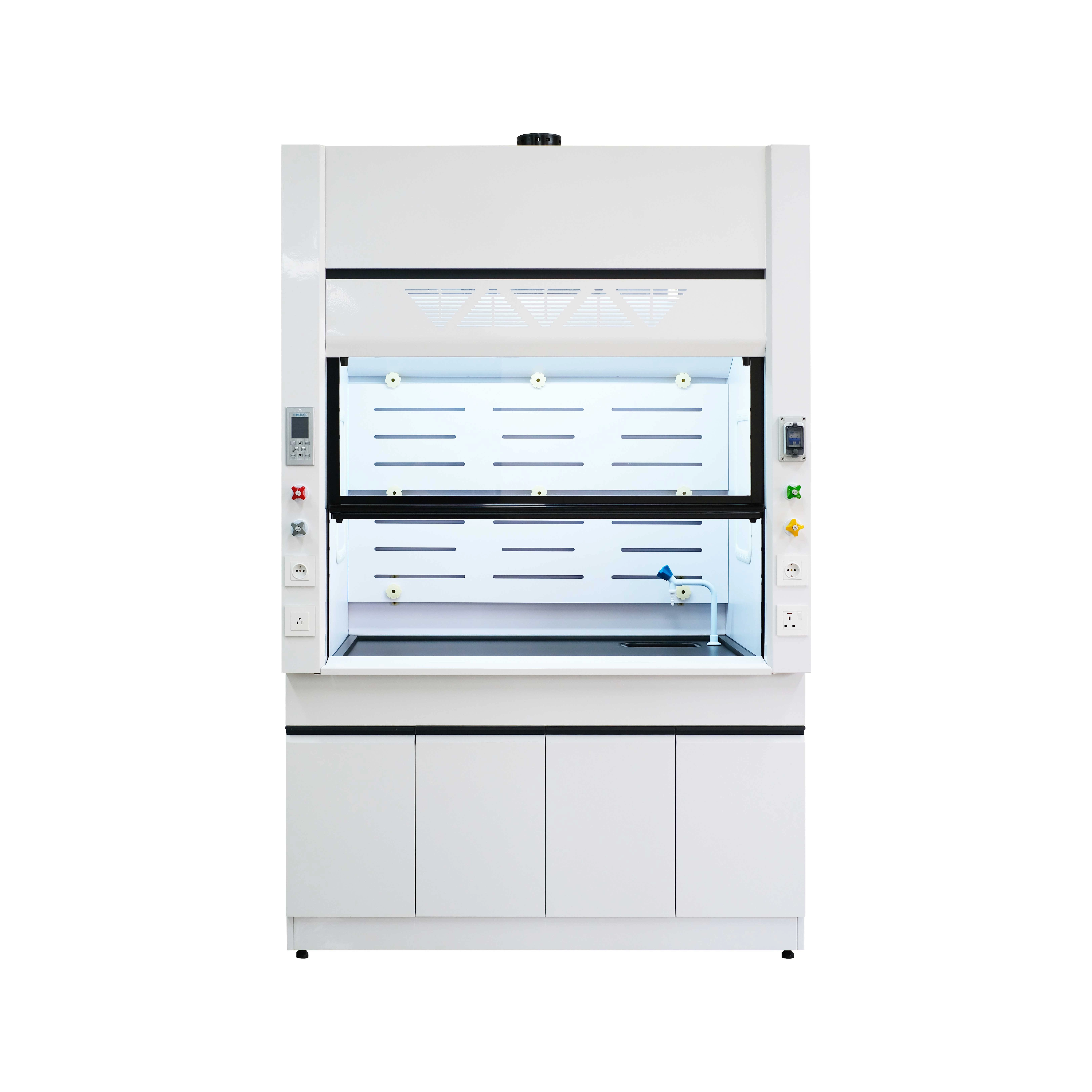
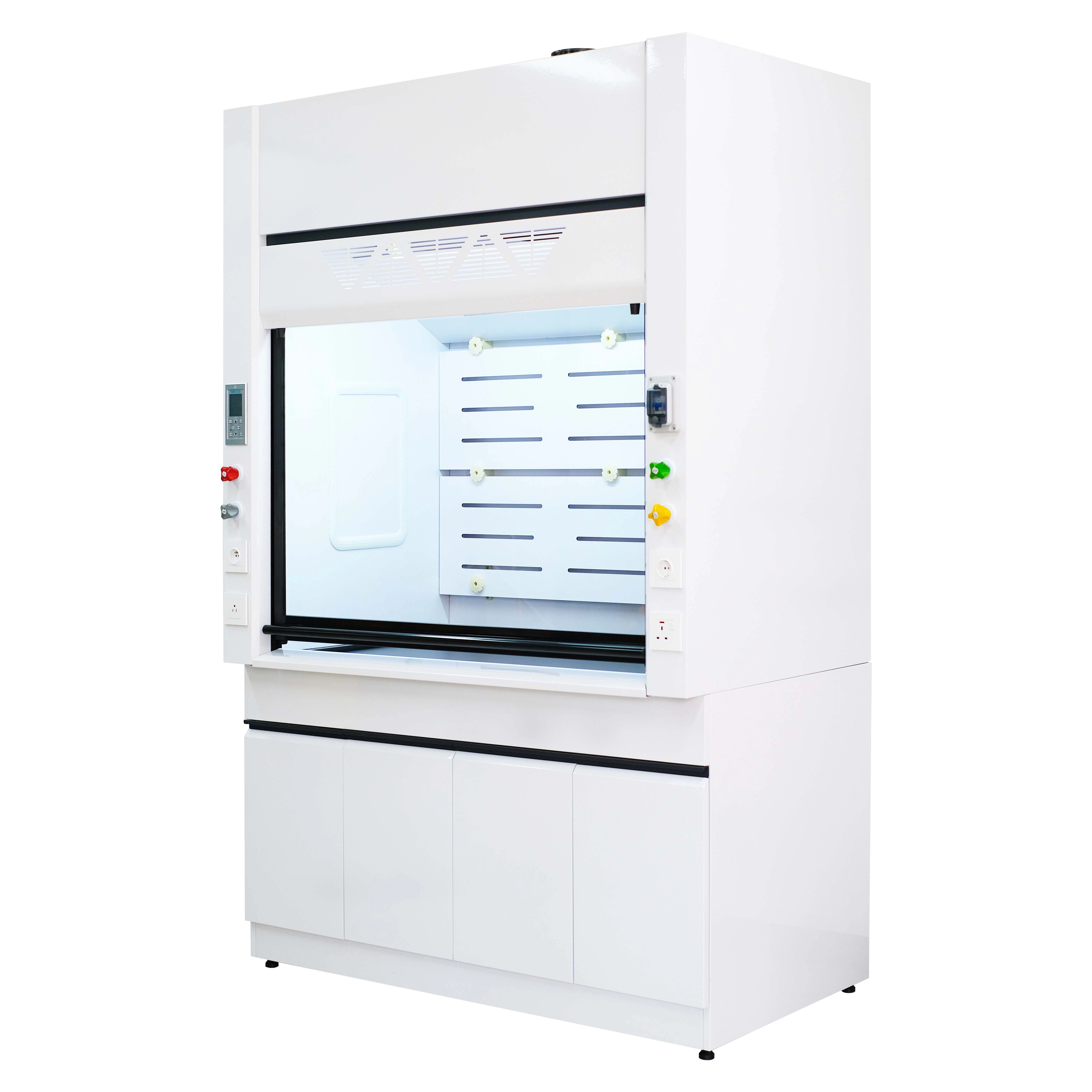
Fume Hood
The fume hood provides safe ventilation to protect against exposure to hazardous or toxic fumes, vapors, or airborne particulate. It is primarily used in laboratory and manufacturing applications to protect the user or environment outside the hood, but can also be used to protect the materials or experiment under the hood.
APPLICATION
Chemistry Lab, physics Lab, biological analysis, pharmaceutical medicine analysis, biological pharmaceutical, plant culture, environmental testing and electronic instrumentation scientific research and so on.
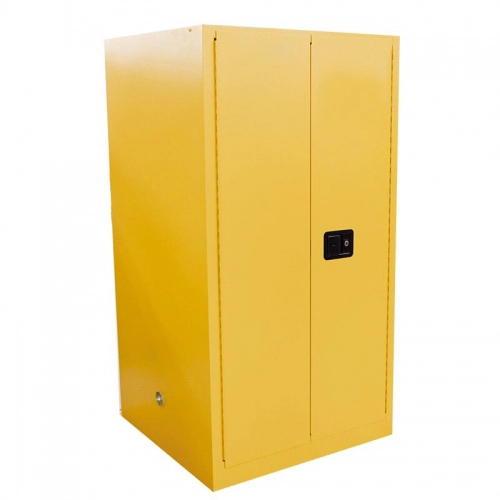
Flammable Storage Cabinet
Safety Cabinets store flammable liquids, corrosives, pesticides and other hazardous materials. All fire-resistant safety cabinets by meet fire codes and regulations for safety storage.
To help protect your people and facility from a potential fire, safety cabinets are engineered to safely contain flammable fuels, solvents, and chemicals. Safety cabinets can not only help everyone store chemicals reasonably, save chemical supplies, but also save human resources, and avoid fires caused by chemicals with the greatest strength.
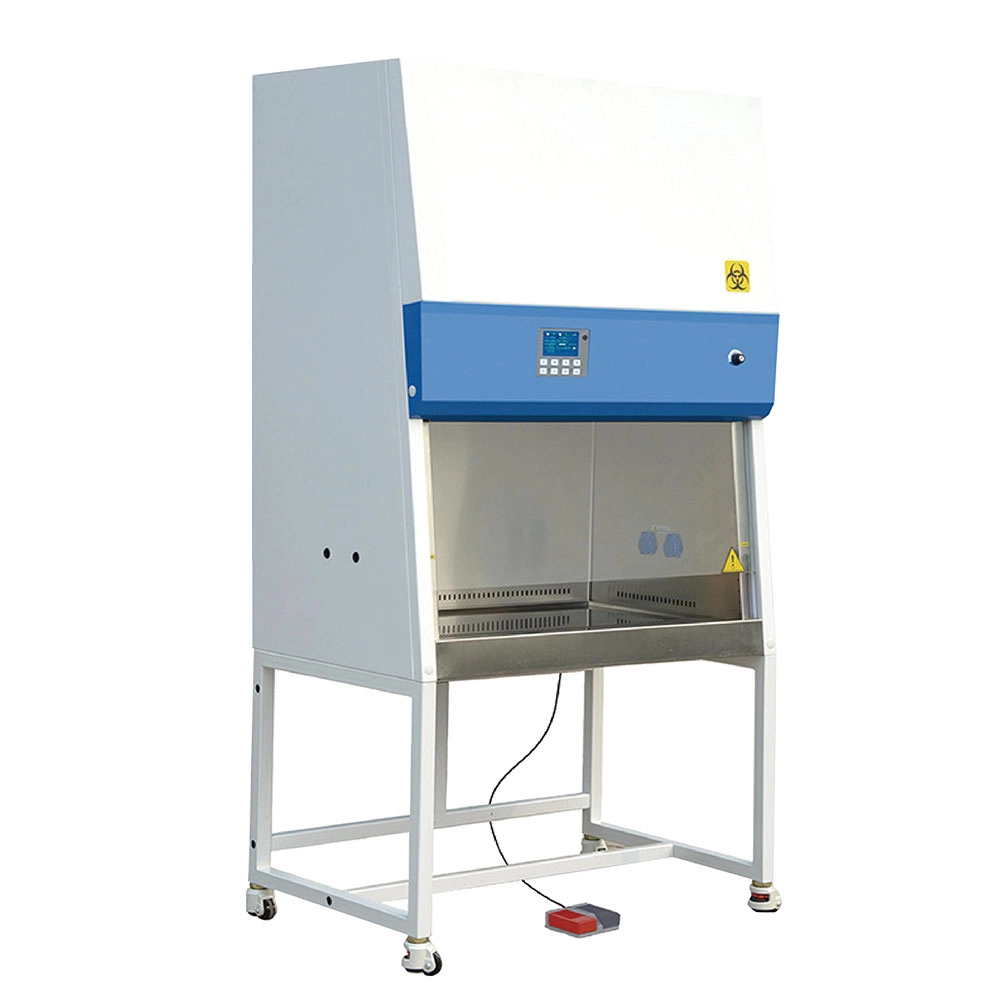
Class II Type A2 Biological Safety Cabinet for Laboratory
The Class II A2 Biological Safety Cabinet is designed to provide superior biosafety and contamination control for laboratories, research facilities, and clinical settings. With 70% air recirculation and 30% air exhaust, this cabinet ensures a safe and efficient work environment while protecting both the user and the samples.
Equipped with advanced features like a HEPA filtration system, motorized front window, and ergonomic design, this cabinet is a must-have for safe and reliable biological research.

 Scan QR Code
MaxLabFurniture
MaxLab Furniture
daihongada
Max Laboratory