
Anti-vibration Tables BT-03: Key specs for laboratory tables
- Anti-vibration Tables BT-03: Key specs for laboratory tables
- Why vibration control matters for any laboratory table
- Product overview: Anti-vibration Tables & Balance Tables BT-03
- Key specification categories for choosing a laboratory table
- Load capacity and payload distribution
- Natural frequency and vibration isolation performance
- Tabletop materials, flatness and thermal stability
- Leveling, adjustability and integration options
- Practical specification comparison: industry ranges vs. BT-03 targets
- How to match a table’s specs to your application
- Installation, commissioning and maintenance best practices
- Application examples for Anti-vibration Tables & Balance Tables BT-03
- MAXLAB brand advantages and how BT-03 supports lab workflows
- Cost vs. performance considerations
- Common pitfalls and how to avoid them
- Frequently Asked Questions (FAQ)
- Q1: How do I know if I need an anti-vibration table or an active isolation system?
- Q2: What should I specify for load capacity and safety margin?
- Q3: How often should the table be serviced or re-calibrated?
- Q4: Can BT-03 support high-precision analytical balances?
- Q5: Are there accessories I should consider with BT-03?
- Contact us / View product
- References and sources
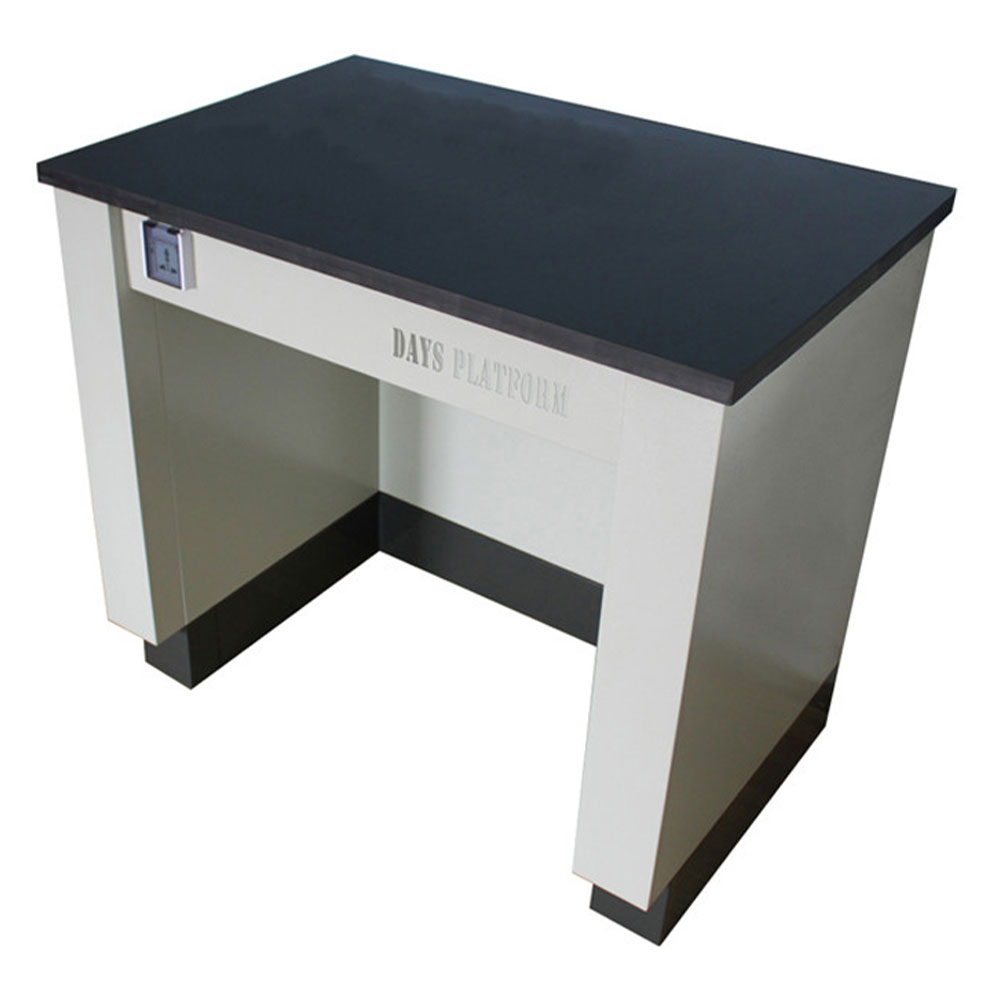
Anti-vibration Tables BT-03: Key specs for laboratory tables
Why vibration control matters for any laboratory table
When precision meets environment, the laboratory table becomes more than furniture — it is a critical platform that determines experimental repeatability, measurement accuracy, and the usability of sensitive instruments. A laboratory table used for micro-manipulation, high-precision balances, optical setups, or microscopy must reduce external and internally generated vibrations. Even low-amplitude vibrations (micron or sub-micron) can degrade instrument performance, create noise in data, or reduce yield in delicate procedures. Understanding the key specifications for anti-vibration tables helps you match a table to the sensitivity requirements of your application.
Product overview: Anti-vibration Tables & Balance Tables BT-03
MAXLAB Anti-vibration Tables & Balance Tables BT-03 are specially engineered supporting equipment with vibration damping function designed to meet laboratory high-precision and anti-interference requirements. The anti-vibration table is specifically optimized for micro-manipulation procedures.
<div style=all: initial !important;>
Key specification categories for choosing a laboratory table
When evaluating any laboratory table — including Anti-vibration Tables & Balance Tables BT-03 — focus on five core specification areas: load capacity, natural frequency (or isolation frequency), transmissibility/isolation efficiency, table top construction and flatness, and leveling/adjustability. Each category directly influences whether a table will meet your laboratory's operational needs. Below we unpack each specification and explain its practical impact.
Load capacity and payload distribution
Load capacity is the maximum static and dynamic mass the table will support without excessive sag, change in natural frequency, or mechanical failure. For a laboratory table supporting balances, microscopes, or micro-manipulators, pay attention to:
- Nominal load capacity (kg): This should comfortably exceed the combined weight of instruments, fixtures, and operators' interactions (plus a safety margin of 20–30%).
- Uniform vs. point loading: Heavy point loads can locally deflect a tabletop even if overall capacity is adequate — choose a tabletop and internal structure (e.g., honeycomb or granite core) that manage local stiffness.
Operational impact: Under-loading an isolation system reduces isolation effectiveness; overloading can reduce isolation performance and accelerate mechanical wear.
Natural frequency and vibration isolation performance
Natural frequency (fn) is a fundamental parameter for any isolation system. The lower the natural frequency of the isolation system, the better it isolates at higher frequencies. As a rule of thumb, to achieve good isolation at a target disturbance frequency, the system's natural frequency should be significantly lower than that disturbance frequency. Key points:
- Design target: Many laboratory anti-vibration systems aim for a natural frequency in the 1–3 Hz range. Tables with fn ≤ 2 Hz typically provide strong isolation for common building and equipment vibration spectra.
- Transmissibility: This describes how much vibration passes through the isolator. A transmissibility < 0.1 (i.e., >90% isolation) at instrument critical frequencies is often a target for sensitive microscopy and balance work.
Tabletop materials, flatness and thermal stability
The table top must be flat, stiff, and thermally stable. Typical materials include engineered stainless steel with internal honeycomb cores, composite sandwich panels, or granite tops. Consider:
- Flatness tolerance: High-precision work benefits from tabletop flatness in the sub-millimeter-per-meter range.
- Thermal behavior: Differential expansion between top and supports can introduce drift; choose materials and finishes that minimize thermal expansion for temperature-sensitive work.
- Surface features: Antistatic or chemically resistant coatings may be required for specific processes.
Leveling, adjustability and integration options
Leveling feet, fine-height adjustment, and simple integration for utilities (power, gas, vacuum) are practical details that determine daily usability. Pneumatic leveling, screw jacks, or motorized leveling can be offered depending on budget and required precision. Also consider options for mounting plates, cable management, and modular add-ons like active isolation modules or balance enclosures.
Practical specification comparison: industry ranges vs. BT-03 targets
The table below summarizes common industry ranges for anti-vibration laboratory tables and recommended target specs for the Anti-vibration Tables & Balance Tables BT-03. These recommended targets reflect design priorities for micro-manipulation and precision balance work.
| Specification | Industry typical range / guidance | BT-03 recommended target |
|---|---|---|
| Top size (typical) | 600 × 600 mm to 1200 × 900 mm (modular sizes) | 900 × 600 mm (modular options available) |
| Load capacity (static) | 50–300 kg (depending on model) | 150 kg nominal (safety margin recommended) |
| Natural frequency (fn) | 1.5–3.0 Hz (typical passive systems) | ≤ 1.8 Hz (optimized passive pneumatic isolation) |
| Transmissibility at 10 Hz | Typically < 0.1 (i.e., >90% isolation) for precision tables | < 0.08 (>92% isolation) at target frequencies |
| Top flatness | < 0.2 mm/m common for precision tops | < 0.15 mm/m |
| Top material | Granite, stainless steel with honeycomb core, composite | Stainless steel surface with honeycomb/foam damping core (anti-static coating optional) |
| Isolation type | Passive elastomer, pneumatic, or active isolation | Pneumatic passive isolation with optional active upgrade |
Sources for industry guidance: Newport, Thorlabs, and TMC technical resources (see references section).
How to match a table’s specs to your application
Follow a simple decision flow when choosing a laboratory table:
- Define sensitivity: Determine instrument sensitivity (e.g., balance resolution in micrograms, microscope imaging stability in nanometers) and the frequencies most harmful to your measurements.
- Survey environment: Measure or estimate building vibration spectra (lab near heavy equipment or road traffic?). If environmental vibrations include low frequencies (<10 Hz), target a lower fn or consider active isolation.
- Calculate load and footprint: Sum the mass of equipment, fixtures, and operator interactions. Add 20–30% margin and check point loading effects.
- Pick materials and flatness levels: For micro-manipulation and balances, choose tops with excellent flatness and thermal stability.
- Plan for integration and maintenance: Ensure the table allows comfortable access for power, cabling, and routine checks; confirm serviceability.
Installation, commissioning and maintenance best practices
Even the best-designed table will underperform if installed or maintained poorly. Key steps:
- Site leveling and isolation from direct structural coupling — place on stable floor area and avoid direct contact with nearby large vibrating equipment.
- Commissioning: Measure transmissibility and tip/flatness after installation. Adjust leveling and pneumatic pressure (if applicable) to reach specified fn and flatness.
- Routine checks: Verify pneumatic pressure, inspect isolators for wear, and confirm tabletop flatness periodically; clean surfaces with manufacturer-recommended agents to protect coatings.
Application examples for Anti-vibration Tables & Balance Tables BT-03
BT-03 targets labs performing:
- Micro-manipulation and microinjection for life sciences where sub-micron motion matters.
- High-precision balances and analytical weighing where environmental vibrations create measurement noise.
- Optical benches and microscopy setups requiring stable optical paths for imaging, interferometry, or laser work.
For each application, combine the BT-03 target specs above with local environmental measurements to choose passive vs. active isolation and any additional enclosures (acoustic or thermal) needed.
MAXLAB brand advantages and how BT-03 supports lab workflows
When selecting equipment for a modern laboratory, brand capabilities matter. MAXLAB provides several advantages relevant to Anti-vibration Tables & Balance Tables BT-03:
- Application-focused design: BT-03 is developed with high-precision lab workflows in mind, prioritizing low natural frequency, stable flat tops, and modular sizing for common bench footprints.
- Service and calibration support: MAXLAB offers commissioning support and guidance to help labs reach target isolation performance after installation.
- Upgrade paths: BT-03 is designed for modular upgrades (e.g., active isolation modules or specialized tops), so you can scale performance without replacing the whole table.
- Quality and materials: Emphasis on corrosion-resistant surfaces and internal damping cores for long-term dimensional and thermal stability.
Cost vs. performance considerations
Anti-vibration tables range from cost-effective passive units to high-end active systems. Consider these trade-offs:
- Passive pneumatic tables (like the BT-03 baseline) provide excellent broadband isolation for many labs at moderate cost and low maintenance.
- Active systems offer superior low-frequency isolation (below ~2 Hz) and better performance in noisy environments, but increase cost and complexity.
- Matching performance to need is key — over-specifying yields poor ROI; under-specifying increases measurement errors and downtime.
Common pitfalls and how to avoid them
Most performance issues stem from a mismatch between table specs and lab reality. Avoid these pitfalls:
- Ignoring point loads — distribute heavy items or use support plates to prevent local sag.
- Not measuring the lab vibration spectrum — purchase isolation suited to actual environmental frequencies.
- Skipping commissioning — adjustments after installation are essential to realize the table’s designed isolation.
Frequently Asked Questions (FAQ)
Q1: How do I know if I need an anti-vibration table or an active isolation system?
A1: Start by characterizing your lab vibrations (use accelerometers or hire a consultant). If dominant vibration energy is above ~5–10 Hz, a well-designed passive table (fn ~1.5–2 Hz) typically suffices. If low-frequency disturbances (<5 Hz) or shocks dominate (nearby heavy machinery, foot traffic, HVAC), consider active isolation.
Q2: What should I specify for load capacity and safety margin?
A2: Sum the weight of instruments, fixtures, and expected interactions. Add a 20–30% safety margin. If you expect heavy point loads, consult with the manufacturer for reinforced tops or dedicated support areas.
Q3: How often should the table be serviced or re-calibrated?
A3: Perform visual inspections quarterly, check pneumatic pressures and leveling semi-annually, and a full commissioning (vibration measurement and flatness check) annually or after any major relocation.
Q4: Can BT-03 support high-precision analytical balances?
A4: Yes — when sized and configured with appropriate top flatness and low natural frequency, BT-03 is designed to reduce environmental noise for high-precision balances. For ultra-high resolution balances, place the balance centrally and verify that the table’s transmissibility meets your balance manufacturer’s recommendations.
Q5: Are there accessories I should consider with BT-03?
A5: Common accessories include balance enclosures to reduce air currents, acoustic panels, active isolation upgrade modules, and specialized tops (antistatic, chemical-resistant, or granite).
Contact us / View product
To discuss lab requirements, request detailed BT-03 specifications, or view product datasheet and options on our product page : https://www.maxlabfurniture.com/products/ .With the specs in mind, you can now consider the specific applications of these tables. If you’re using precision balances, the choice of the right laboratory table for precision balances is crucial. Learn more about how BT-03 insights can optimize your workspace for high-accuracy measurements.
References and sources
- Newport Corporation — Vibration Isolation overview and technical notes. https://www.newport.com/c/vibration-isolation
- Thorlabs — Vibration Isolation and Optical Tables technical resources. https://www.thorlabs.com/newgrouppage9.cfm?objectgroup_id=1899
- TMC (Technical Manufacturing Corporation) — Vibration isolation products and technical guidance. https://www.tmcproducts.com/
- MicroscopyU (Olympus) — Practical guidance on vibration and microscope performance. https://www.olympus-lifescience.com/en/techniques/opticalmicroscopy/introduction/vibration/
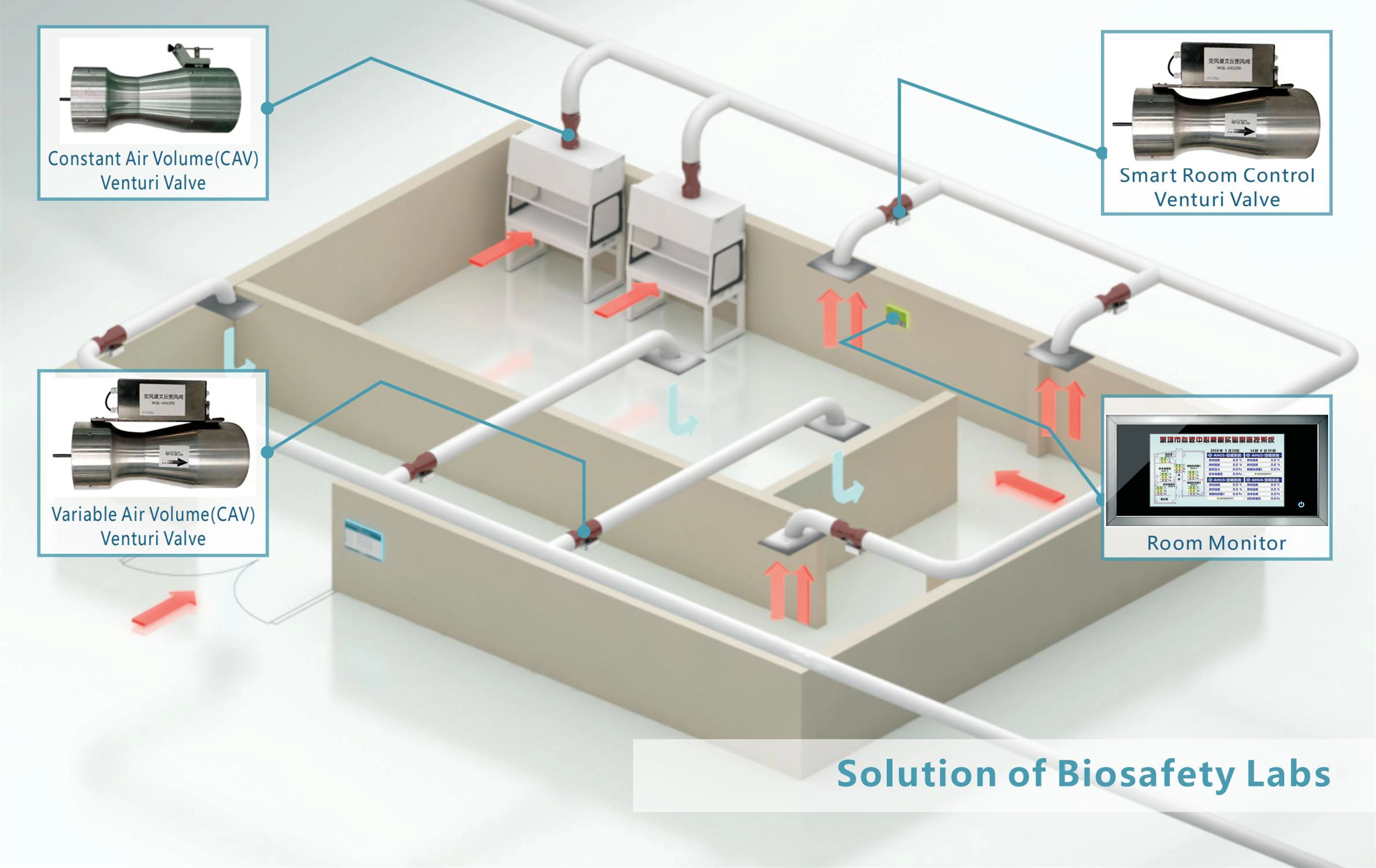
Energy Savings with a Variable Air Volume Fume Hood
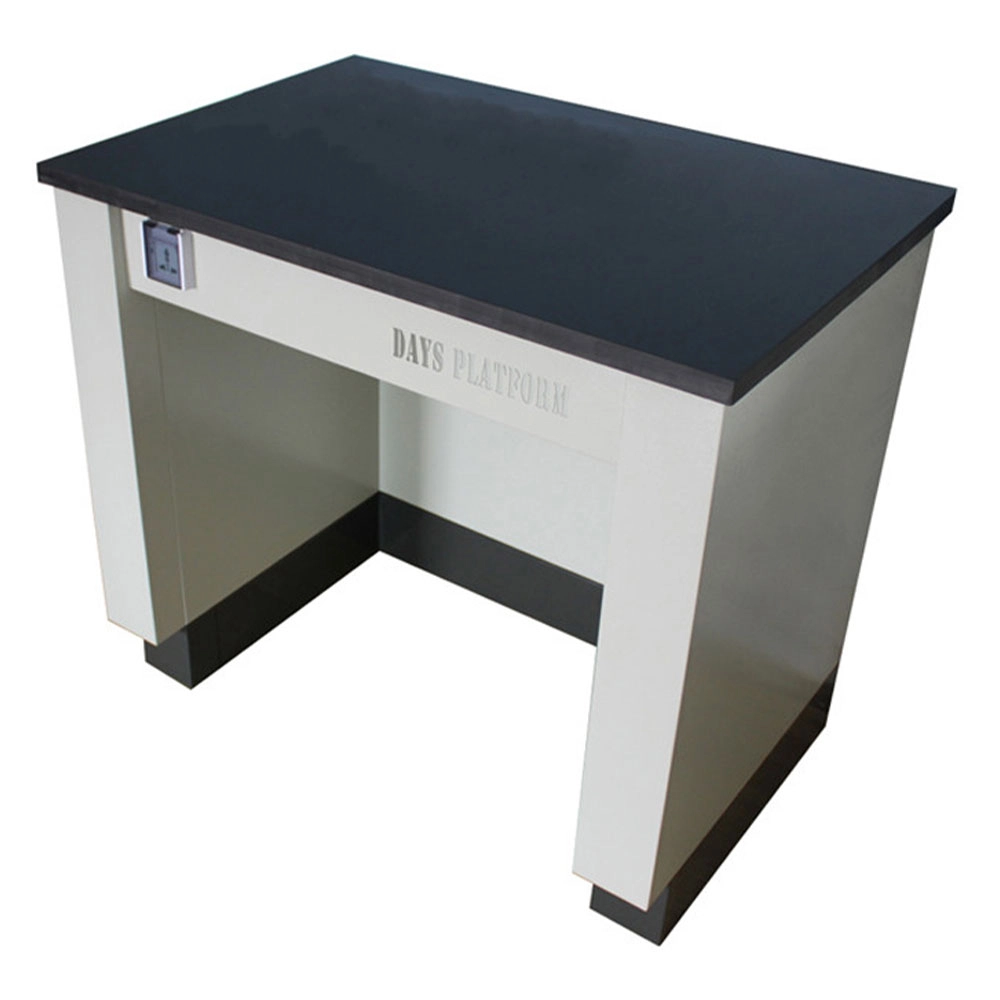
Laboratory table guide: Benefits of Anti-vibration Tables BT-03
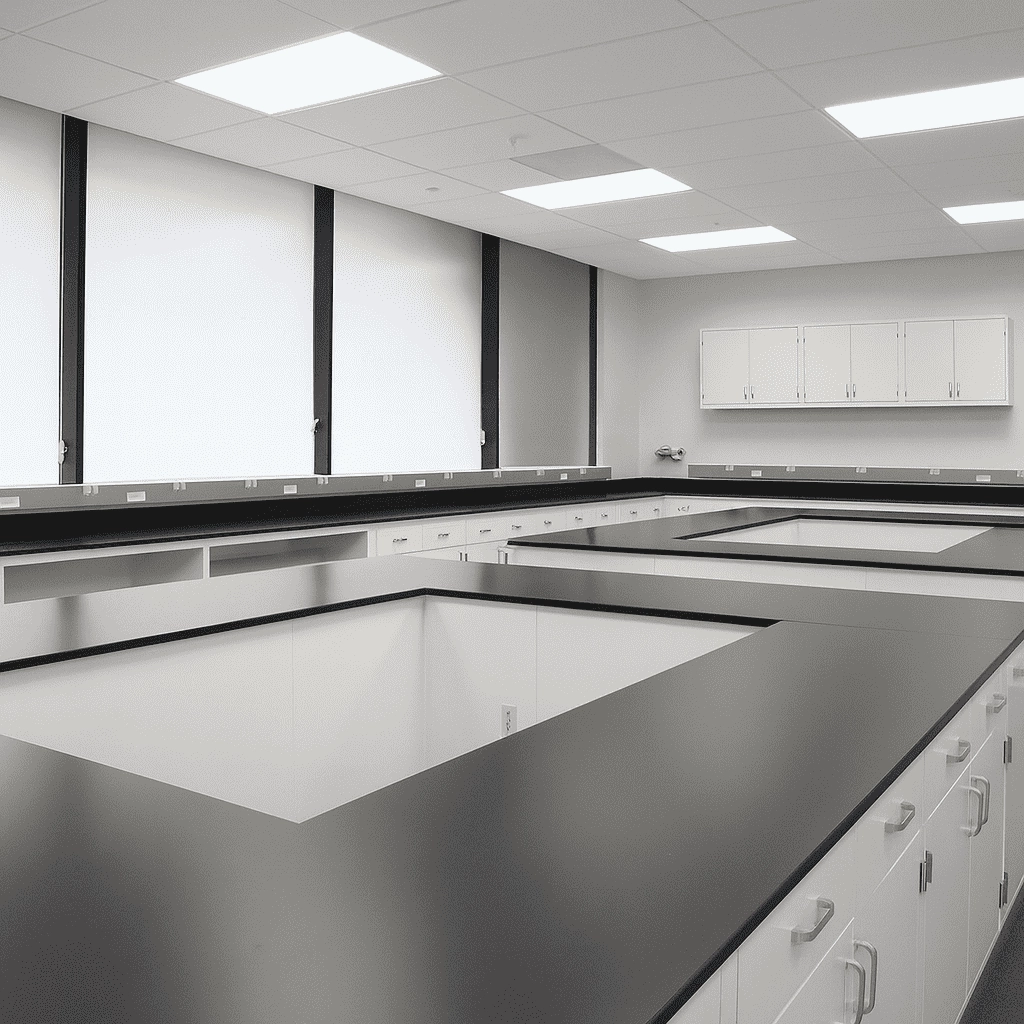
Sustainability and Certifications to Require for Lab Countertops
Variable Air Volume Fume Hood Sash Design Buyer Guide
For After-Sales Support
Do you offer training for using your products?
Yes, we offer training for your staff on how to properly use and maintain the laboratory equipment we provide. Contact us to schedule a training session.
For Products
May I have my own design?
Yes, welcome. If you have your own design, please kindly send the Layout or plan to us. The designer team will make 3D drawings and Rendering drawings.
Customization
Can equipment be customized to specific experimental safety standards?
Yes. We offer customized equipment to specific safety standards, such as ANSI/ASHRAE standards, UL certification and ISO safety standards.
For Company
How long has your company been in business?
Our company has been in the laboratory furniture and equipment business for over 15 years, during which we have gained extensive experience and built a solid reputation in the industry. We specialize in serving a variety of industries, including academic research labs, pharmaceutical labs, healthcare, manufacturing, and more.

Floor Mounted Lab Bench
Our Floor Mounted Lab Bench is an essential, high-efficiency workspace for laboratories, made from high-quality steel-wood or corrosion-resistant stainless steel materials to ensure exceptional durability and stability. The unique floor-mounted design effectively reduces vibration, optimizes space usage, and provides a safe and tidy laboratory environment.
Customizable storage solutions help organize lab equipment efficiently, while the easy-to-clean surface maintains laboratory hygiene. It is widely suitable for research institutions, educational laboratories, and the chemical and pharmaceutical industries.
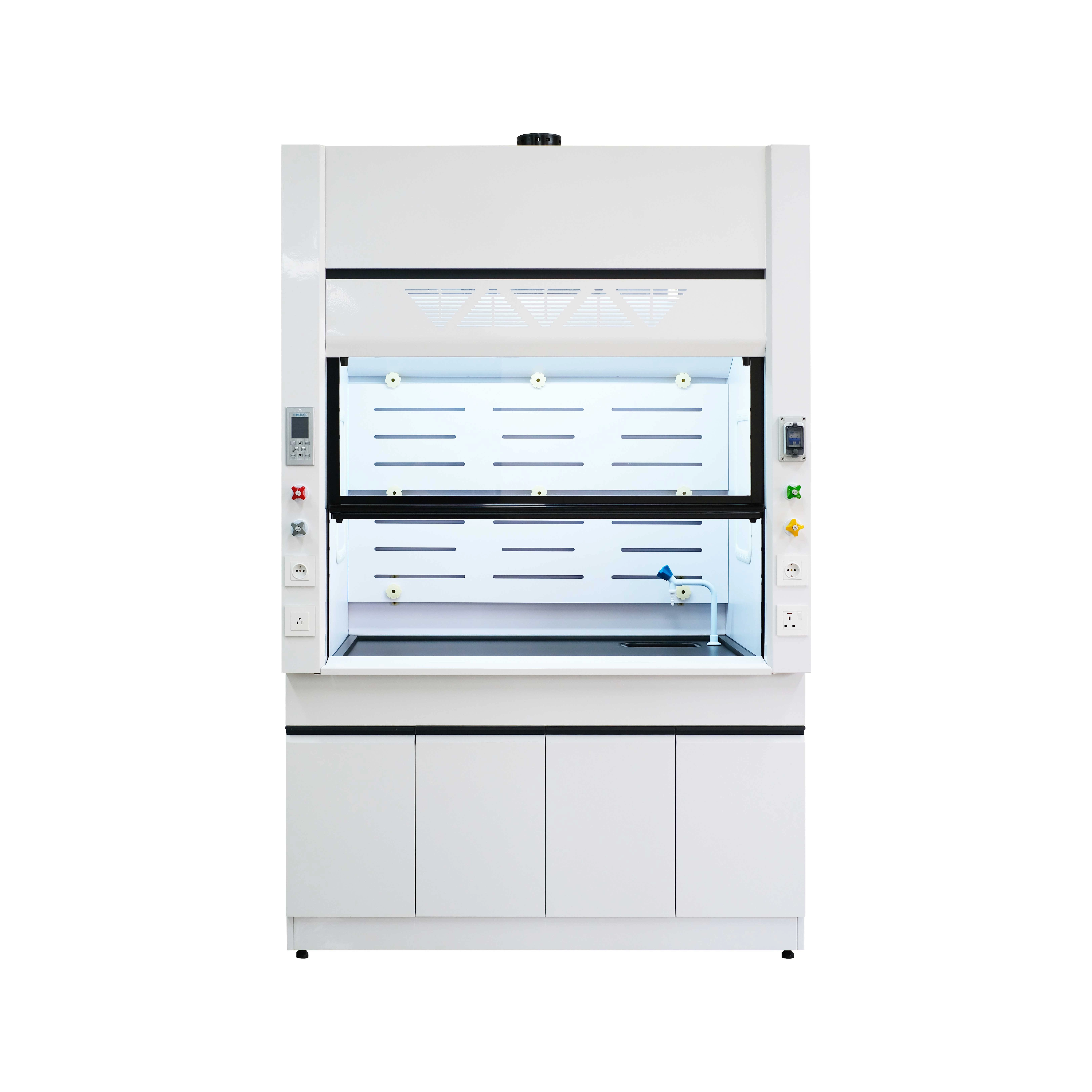
Fume Hood
The fume hood provides safe ventilation to protect against exposure to hazardous or toxic fumes, vapors, or airborne particulate. It is primarily used in laboratory and manufacturing applications to protect the user or environment outside the hood, but can also be used to protect the materials or experiment under the hood.
APPLICATION
Chemistry Lab, physics Lab, biological analysis, pharmaceutical medicine analysis, biological pharmaceutical, plant culture, environmental testing and electronic instrumentation scientific research and so on.
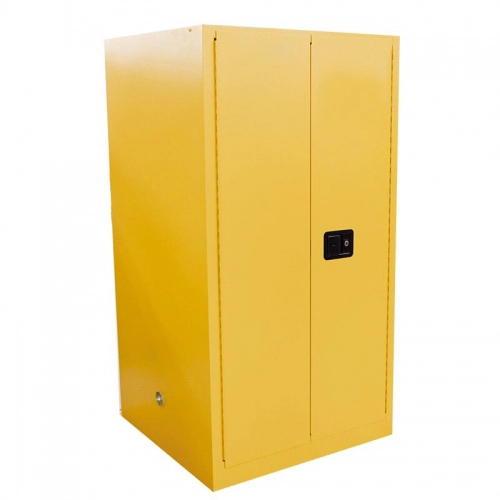
Flammable Storage Cabinet
Safety Cabinets store flammable liquids, corrosives, pesticides and other hazardous materials. All fire-resistant safety cabinets by meet fire codes and regulations for safety storage.
To help protect your people and facility from a potential fire, safety cabinets are engineered to safely contain flammable fuels, solvents, and chemicals. Safety cabinets can not only help everyone store chemicals reasonably, save chemical supplies, but also save human resources, and avoid fires caused by chemicals with the greatest strength.
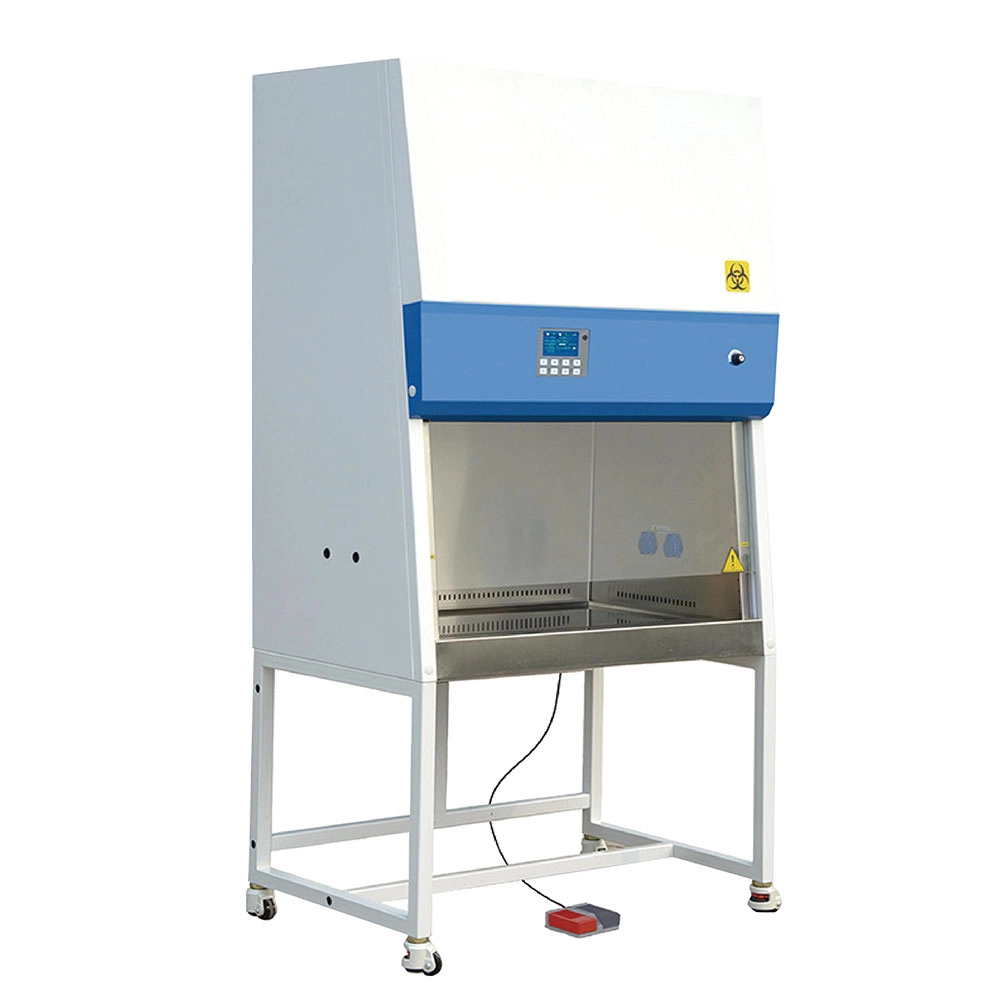
Class II Type A2 Biological Safety Cabinet for Laboratory
The Class II A2 Biological Safety Cabinet is designed to provide superior biosafety and contamination control for laboratories, research facilities, and clinical settings. With 70% air recirculation and 30% air exhaust, this cabinet ensures a safe and efficient work environment while protecting both the user and the samples.
Equipped with advanced features like a HEPA filtration system, motorized front window, and ergonomic design, this cabinet is a must-have for safe and reliable biological research.

 Scan QR Code
MaxLabFurniture
MaxLab Furniture
daihongada
Max Laboratory